
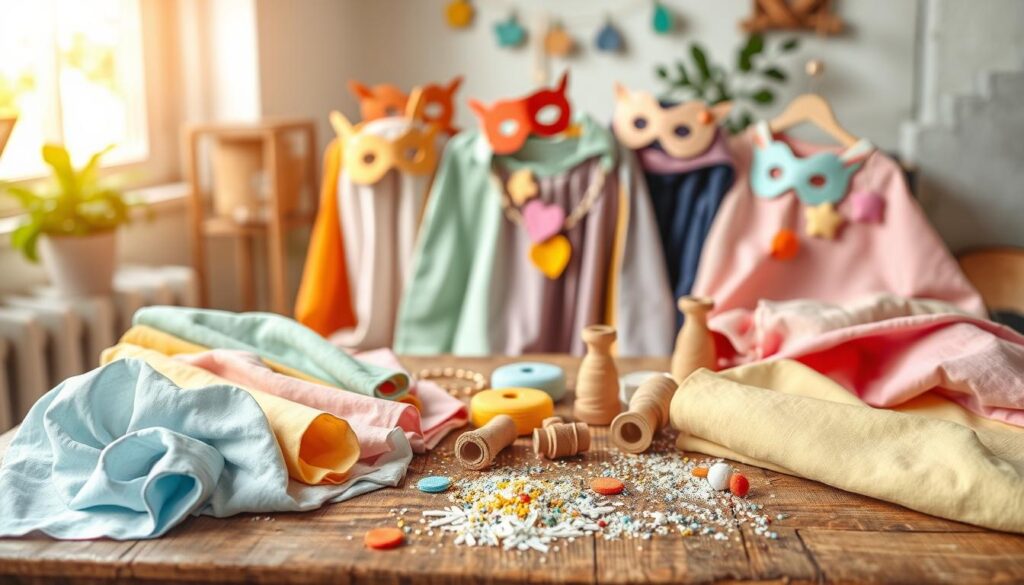
Imaginative play is key for kids. It boosts their creativity and confidence. But, the shine of store-bought costumes hides a darker truth.
Many costumes are made with harmful materials. These include dyes with heavy metals, plasticizers like phthalates, and chemical flame retardants. These can irritate sensitive skin or cause health problems.
The environmental damage is huge too. Disposable Halloween costumes add to landfill waste. Fabrics like polyester release microplastics, polluting our water.
Choosing the right materials makes a big difference. Opting for non-toxic and hypoallergenic options keeps kids safe. It’s also good for the planet.
This way of DIY is not about giving up. It’s about making a positive change. You encourage creativity while reducing harm to the environment. It’s play that’s good for everyone.
Standards & Labels (OEKO‑TEX, CPSIA, Prop 65)
Safety standards are like superhero badges for materials. They pass tough health tests. For DIY costume makers, these labels protect against hidden toxins. They make complex rules easy to trust.
Without these labels, it’s tough to know if a fabric is safe. Many products claim to be eco-friendly but might not be. Trusted labels show that a material is safe from certain dangers.
The OEKO‑TEX Standard 100 is a global certification. It tests textiles for harmful substances. This includes formaldehyde, heavy metals, and allergenic dyes. A product with this label is safe for human health.
OEKO-TEX has different classes. Class I is for babies and young children. It has the strictest rules. Seeing this label on felt or fabric means it’s safe for skin.
The CPSIA stands for the Consumer Product Safety Improvement Act. It’s a U.S. law that sets safety rules for children’s products. It requires third-party testing for lead and phthalates, and clear tracking labels.
For costume makers, CPSIA compliance is key for kids under 12. It ensures the fabric is safe and legal.
California’s Proposition 65 (Prop 65) is a right-to-know law. It warns about chemicals that can cause cancer or harm reproduction. A Prop 65 warning doesn’t mean a product is unsafe. It means it has a chemical above a low threshold.
Seeing a Prop 65 warning means you should check further. Many brands avoid these warnings by reformulating their products.
Other certifications add trust. EWG Verified means a product meets strict health standards. ASTM standards cover safety performance. GOTS certifies organic fibers and ethical manufacturing. FSC ensures wood products come from responsibly managed forests.
This table breaks down key certifications:
| Certification | What It Means | Key Focus | Best For |
|---|---|---|---|
| OEKO‑TEX Standard 100 | Textile is tested for harmful substances; safe for human health. | Absence of toxic chemicals, allergens, and dyes. | All fabrics, linings, and trims that touch skin. |
| CPSIA Compliance | Product meets U.S. safety rules for children’s items. | Lead and phthalate limits; tracking and labeling. | Any costume element intended for kids under 12. |
| Prop 65 Warning | Disclosure of chemicals above California’s strict thresholds. | Right-to-know about chemicals that can cause cancer or harm reproduction. | Assessing risk and seeking alternatives for sensitive projects. |
| GOTS | Certifies organic fiber content and ethical production. | Environmental and social responsibility from harvest to label. | Organic cotton, hemp, or other natural fabrics. |
| ASTM International | Meets published standards for material performance and safety. | Flammability, durability, and other physical safety traits. | Paints, adhesives, and components needing performance guarantees. |
Be a label detective. Check the product description or packaging before buying. Look for specific logos or text claims. Reputable suppliers will show their certifications proudly.
Choose materials with OEKO‑TEX Class I or CPSIA compliance for kids’ costumes. For adult projects, OEKO‑TEX Standard 100 is a good start. These labels verify safety for you. They let you create with confidence, knowing your creations are safe and beautiful.
Fabrics & Trims: best options and what to avoid
Your costume’s comfort, safety, and environmental footprint start with the materials you choose. Making a sustainable DIY costume is like painting a masterpiece. You need a palette of fabrics and trims that are kind to both skin and the planet.
This guide helps you choose the best natural and recycled fibers. It also warns you about synthetic materials to avoid. Let’s build your material toolkit.
The Sustainable Fabric Champions
These materials are the foundation of an eco-conscious costume. They are breathable, durable, and have a lighter environmental impact.
- Organic Cotton: This is a top pick for softness and breathability. Grown without synthetic pesticides, it’s gentler on sensitive skin and the earth. It’s perfect for base layers, capes, and soft costume details.
- Hemp: Known for exceptional durability, hemp fabric gets softer with each wash. It requires less water to grow than conventional cotton. Use it for structured costume pieces like vests or armor bases.
- Bamboo (Lyocell): Bamboo fabric is silky, moisture-wicking, and naturally antibacterial. Look for brands that use a closed-loop lyocell process to minimize chemical use. It’s ideal for lining or flowing costume elements.
- TENCEL™: Made from wood pulp, TENCEL™ is produced in an environmentally responsible closed-loop system. The result is a fabric that is incredibly soft, strong, and biodegradable.
- Wool: A natural temperature regulator, wool is renewable and biodegradable. Choose ethically sourced, non-scratchy varieties for cozy costume accents.
- Recycled Fibers (like PET): This innovative material turns plastic bottles into polyester fiber. While not a natural fiber, it gives existing plastic a new life. It reduces waste and is a good option for costume elements where synthetics are unavoidable.
Petroleum-based synthetic fabrics are common, but they come with significant drawbacks. Here’s why you should limit or avoid them.
- Polyester, Nylon, Acrylic: These fabrics shed microplastics in every wash. They contribute to ocean pollution. They are often treated with chemical dyes and finishes that can irritate skin.
- Heat Retention: Synthetics don’t breathe well. They can make a costume hot and uncomfortable, specially for active kids.
- Non-Biodegradable: Unlike natural fibers, these materials can persist in landfills for hundreds of years.
This comparison table helps you make informed choices at a glance.
| Material | Key Features | Best For | Considerations |
|---|---|---|---|
| Organic Cotton | Breathable, hypoallergenic, soft | Base layers, soft details, kids’ costumes | Can wrinkle; choose heavy-weight for structure |
| Hemp | Highly durable, eco-friendly crop | Structured pieces, bags, armor bases | Initial cost may be higher |
| Recycled PET | Diverts plastic waste, versatile | Stiff accents, faux leather looks | Stil a synthetic; may shed microfibers |
| Polyester (Avoid) | Wrinkle-resistant, cheap | — | Sheds microplastics, non-breathable |
| Acrylic (Avoid) | Wool-like look, inexpensive | — | Pills easily, highly flammable |
Choosing the Right Trims and Accessories
Small details make a big difference. Opt for natural or responsibly made trims to complete your eco-friendly vision.
Great Choices:
- Upcycled or Recycled Felt: Perfect for appliqués, patches, and small details. It adds texture without plastic.
- Wooden Buttons & Beads: They offer a rustic, natural look. Ensure they are smooth and finished to prevent splinters.
- Silicone Molds & Accents: Food-grade silicone is a safer, flexible alternative to rigid plastic for molds or decorative elements.
- Fabric-Based Appliqués: Use scrap fabric to create your own designs. This eliminates the need for plastic-based iron-ons.
What to Skip:
- Plastic Glitter & Sequins: These are microplastics waiting to happen. They scatter everywhere and do not break down.
- Cheap Metal Accessories: These may contain lead or nickel, which can cause allergic skin reactions. Always check the source.
Your material choices define your costume’s story. By championing organic cotton, hemp, and recycled fibers, you create magic that feels good and does good. Avoiding common synthetics protects your family’s skin and our shared environment. Pair these fabrics with natural trims for a finished look you can feel proud of.
Adhesives, Paints, and Sealers: low‑VOC, non‑toxic picks
Volatile organic compounds (VOCs) and synthetic chemicals in craft supplies can harm indoor air and skin. Adhesives, paints, and sealers are often the most chemical-heavy parts. Choosing wisely is key to a safe DIY project.
Many play makeup and face paints contain harmful ingredients. Parabens, talc, synthetic fragrances, and petroleum-based colorants can irritate skin, even in kids. Safer options use natural pigments and water-based formulas.
Solvent-based paints and sprays release VOCs as they dry. These fumes can cause breathing problems. Look for low-VOC paint and water-based acrylics that are non-toxic. They off-gas less and are safer for indoor use.
Adhesives also pose a risk. Standard glues and hot glue sticks may have formaldehyde and phthalates. For safe bonding, choose a non-toxic glue. Natural rubber cement or water-based white glues are good alternatives. They stick well without harming your skin or air.
Sealers and finishers can also hide chemicals. Aerosol sealers and polyurethane varnishes are common culprits. Instead, use natural ingredients like beeswax or water-based acrylic sealers. They protect without toxic vapors.
When picking these materials, look for clear safety labels. Check for “AP Certified Non-Toxic” or “Conforms to ASTM D-4236.” Always work in fresh air, even with safer products. This care makes your creative process healthy and kind.
Glitter & Dye Alternatives
Adding color and shine to a costume doesn’t have to harm the environment. There are now biodegradable and natural options that are both beautiful and safe. This section will show you the problems with old products and the eco-friendly swaps that are better for our planet.
Regular plastic glitter is a big problem. It breaks down into tiny pieces that pollute our oceans. These pieces never go away and harm marine life. This has a big, lasting effect on our environment.
Biodegradable glitter is a guilt-free choice. It’s made from plants like eucalyptus or mica. These glitters break down naturally and don’t harm the environment. EcoStardust and BioGlitz are leaders in this safe, shiny option.
Synthetic fabric dyes are also harmful. They often contain chemicals and heavy metals. When they wash out, they pollute our rivers and soil. Looking for safer colors, we turn to nature’s palette.
Natural dyes from kitchen scraps and plants are a great solution. You can make colors like gold from turmeric, pink from beetroot, and peach from avocado pits. These dyes are safe and compostable. They connect us to a long tradition of sustainable coloring.
For consistent, ready-made colors, mineral pigments are a good choice. Iron oxides, for example, make deep reds, browns, and blacks. They are safe and don’t contain harmful chemicals. These minerals give vibrant colors without the danger.
Choosing the right alternative depends on your project. The table below compares popular sustainable glitter and dye options to help you decide.
| Product Type | Common Sources/Materials | Key Environmental Benefit | Ideal For |
|---|---|---|---|
| Biodegradable Glitter | Eucalyptus cellulose, modified regenerated cellulose (MRC), certified mica | Decomposes in soil/water, avoids microplastic pollution | Costume accents, face/body art, decorative details |
| Natural Dyes (DIY) | Turmeric, beetroot, red cabbage, avocado pits, onion skins | Completely non-toxic, renewable, and compostable | Dyeing natural fabrics (cotton, silk, wool) for full garments |
| Mineral Pigments | Iron oxides, ultramarines, titanium dioxide | Inert and stable; no harmful runoff or volatile organic compounds (VOCs) | Mixing custom paint colors, fabric printing, detailed painting |
| Plant-Based Shimmer | Finely ground mica (ethically sourced), pearl essence from plants | Biodegradable and sourced from renewable materials | Adding a subtle, ethereal glow to fabrics and accessories |
Choosing these alternatives turns a problem into a chance to be creative. You can make amazing things while protecting the planet. Start with something simple, like using biodegradable glitter on a mask or dyeing a scarf with avocado pits. It’s rewarding and aligns with the values of kind, conscious crafting.
Where to Source (Recycled Felt, Deadstock, Rental)
Finding the right materials for your DIY costume doesn’t have to mean a trip to the big-box craft store. The most sustainable and unique creations often come from thinking like a resourceful treasure hunter. This guide turns sourcing into an adventure that saves money, reduces waste, and fuels creativity.
Let’s start with a secret of the fashion industry: deadstock fabric. This is first-quality material that brands over-ordered or never used. It’s brand new but destined for landfill. By purchasing deadstock fabric, you give this premium material a second life. You can find it online on marketplaces like Etsy, through specialty fabric retailers, or even directly from local designers clearing their studios.
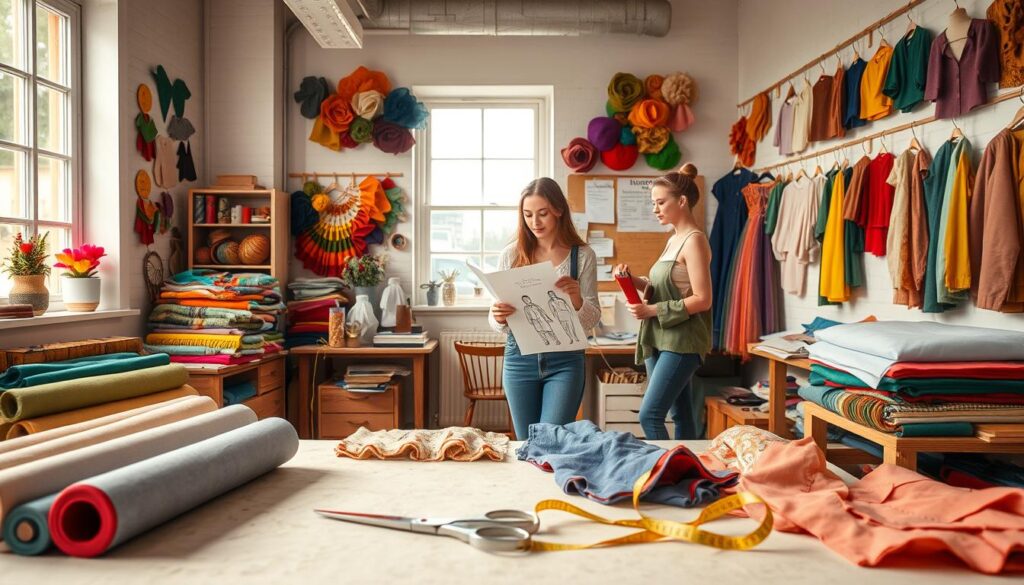
For smaller details, trims, and appliqués, recycled felt is a superstar. Traditional felt is often made from virgin polyester. Recycled felt, on the other hand, is crafted from post-consumer plastic bottles. It has the same easy-to-cut, non-fraying quality but with a much lighter planetary footprint. Look for it in eco-conscious craft stores or online suppliers clearly labeling their sustainable content.
Your own home is a goldmine. Raid the scrap bin, transform old t-shirts into capes, or repurpose dresses with missing buttons. Thrift stores and yard sales are bursting with sustainable fashion opportunities. A dated curtain can become a royal gown. A worn-out sweater can be felted into a cozy hat. This approach is central to a why sustainability matters to families mindset, teaching valuable lessons through action.
Don’t overlook the power of community. Organize a fabric swap with other makers. Join local “buy nothing” groups where people give away craft supplies. These networks are perfect for finding odd bits of lace, buttons, or that perfect shade of recycled felt you needed.
For costumes that will be worn once, like a specific school play, consider rental. Many online services and local costume shops offer rentals. This is the ultimate in circular fashion. You get a fantastic outfit without any material waste from a single-use creation.
Sourcing sustainably is not a limitation. It’s a creative challenge that makes your project unique. You become part of a solution, reducing demand for new resources. Your costume tells a better story because of where its materials came from.
End‑of‑Life: repair, reuse, compost, recycle
A magical costume’s story doesn’t end on Halloween. It starts a new chapter of care and responsibility. Planning for its retirement is key to creating kind magic.
This mindset changes a costume from a single-use item to a valued possession. It lets you make choices that support a circular model from the start.
Extending a costume’s life is the most sustainable choice. Simple repairs can fix many issues. A loose stitch, a missing snap, or a small tear are easy fixes.
Creative reuse offers more possibilities. Add the costume to a dress-up box for play all year. Or give it to a younger sibling or friend.
You can also repurpose parts into something new:
- Transform a flowing cape into a unique picnic blanket or play fort.
- Use fabric scraps for patchwork crafts, hair bows, or doll clothes.
- Incorporate sturdy elements like belts or hats into everyday outfits.
When a costume is worn out, its material decides its end-of-life path. Different materials have different destinations.
| Material Type | Compost | Recycle | Landfill (Last Resort) |
|---|---|---|---|
| Natural Fibers (e.g., organic cotton, linen, wool) | Yes. These materials break down in home or industrial compost systems, returning nutrients to the earth. | Typically not via curbside. Check for specific textile recycling programs. | Avoid. These are valuable compostable resources. |
| Clean Synthetic Blends (e.g., pure polyester, nylon) | No. These are plastic-based and won’t biodegrade. | Possible. Requires dedicated textile recycling facilities. Must be clean and sorted by fiber type. | Common fate if recycling isn’t accessible. |
| Mixed-Material / Plastic Costumes (e.g., vinyl, sequins, plastic trim) | No. | Very difficult. Mixed materials contaminate recycling streams. | Most likely outcome. This is the environmental cost of single-use designs. |
As the table shows, costumes from natural fibers have the cleanest endpoint through compost. For synthetics, recycling is an option but requires effort to find proper channels.
The reality is that complex, plastic-heavy costumes almost always end up in a landfill. They waste resources and create pollution.
By considering these paths early, you make better material choices. You design for durability and a graceful exit. This approach reduces waste and teaches a lesson in responsibility.
Kid‑Specific Considerations & Allergy Notes
Making a safe, hypoallergenic costume for kids is more than just about looks. It’s about protecting their sensitive skin and helping their systems grow. Kids touch and play with their world in ways that adults don’t, often bringing costumes close to their skin for a long time.
Children’s bodies are very different. Their skin is thinner and lets chemicals in more easily. Their immune and nervous systems are also growing, making them more likely to react to things that adults might not.
This means choosing materials for a costume is not just about design. It’s a big health issue. The goal is to make a allergy-safe space where kids can enjoy their costumes without worry.
It’s easy to miss things that can cause problems in costumes. Synthetic dyes and fragrances often irritate skin. Latex, synthetic or not, can be an allergen for many. Some craft adhesives, vinyl fabrics, and face paints have preservatives and solvents that can cause reactions.
To make a allergy-safe costume, you need to make smart swaps and do simple tests. Use natural rubber instead of synthetic latex if you need stretchiness. Choose breathable, natural fabrics like organic cotton or linen to prevent heat rash and let skin breathe. Always test new materials, like paints and adhesives, on a small area of the child’s inner arm 48 hours before using them fully.
| Potential Irritant | Why It’s a Concern | Allergy‑Safe Alternative |
|---|---|---|
| Synthetic Dyes | Can contain heavy metals and aromatic amines that cause skin irritation and allergic contact dermatitis. | Plant-based dyes or fabrics certified by OEKO‑TEX Standard 100, which limits harmful substances. |
| Latex (Synthetic) | A common allergen that can cause itching, redness, and in severe cases, respiratory issues. | Natural rubber latex (if no known allergy) or latex-free alternatives like silicone or thermoplastic elastomers. |
| Conventional Face Paint | Often contains parabens, formaldehyde, and heavy pigments that clog pores and irritate delicate facial skin. | Hypoallergenic, cosmetic-grade face paints or DIY recipes using natural clays and food-grade colorants. |
| Fragranced Adhesives | Added scents mask chemical odors but introduce volatile organic compounds (VOCs) that can trigger headaches and skin reactions. | Low-VOC, fragrance-free fabric glues or simple mechanical fasteners like snaps and hooks. |
There are more than just material swaps to consider:
- Wash all fabrics before making the costume to remove sizing or finishes.
- Use a soft, natural fabric as a lining if the outer material is not breathable.
- Keep costumes clean and dry to avoid mold or bacteria, which can also irritate skin.
By focusing on these details, you create a costume that is not just safe but also allergy-safe. This ensures the magic of the costume is remembered for all the right reasons.
Buyer & Maker Checklist
Let’s put our knowledge into practice. Use this quick checklist before your next purchase or project start. It helps us audit for safety, ethics, and sustainability at every stage.
Before You Buy or Build:
Are the materials natural, organic, or recycled?
Do fabrics carry trusted certifications like GOTS or OEKO-TEX?
Are dyes non-toxic and free from harmful chemicals?
Is the packaging plastic-free or minimal?
During Creation:
Are paints, glues, and sealers labeled low-VOC and non-toxic?
Is the construction durable for possible reuse?
Have we sourced from deadstock, rental houses, or ethical suppliers like Offset Warehouse?
After the Final Curtain:
Can the item be repaired, donated, or repurposed?
Is there a plan for end-of-life, avoiding landfill?
Have we considered sustainable costume design principles for future projects?
True change starts with our daily choices. This checklist empowers us to demand transparency, prioritize safe materials, and build a culture of kindness in every costume we make or buy.