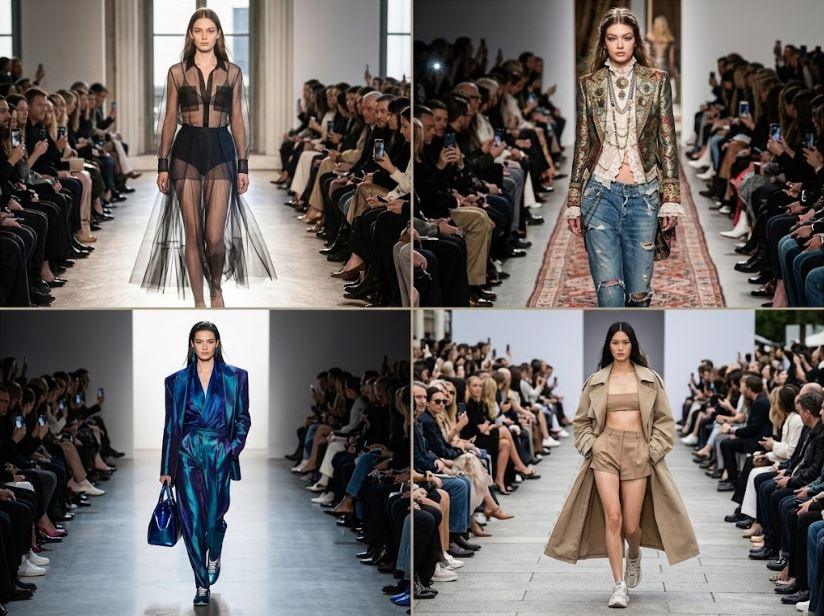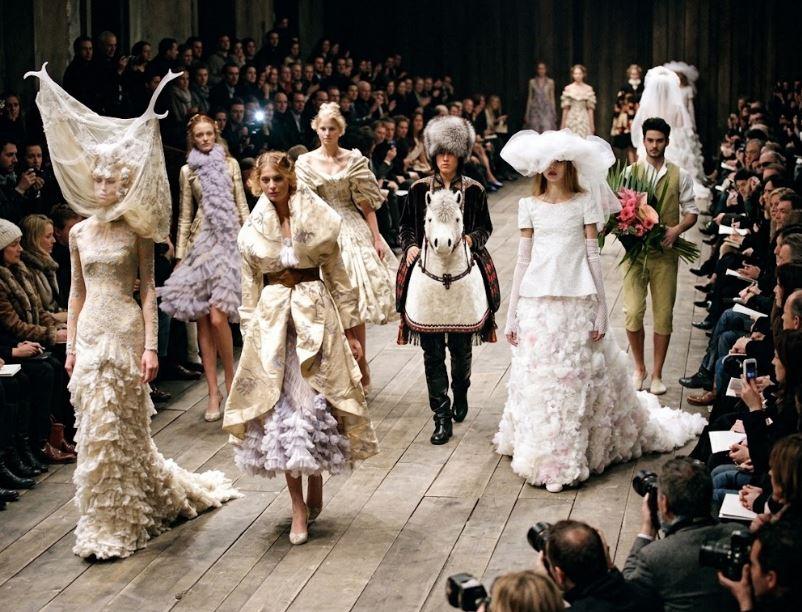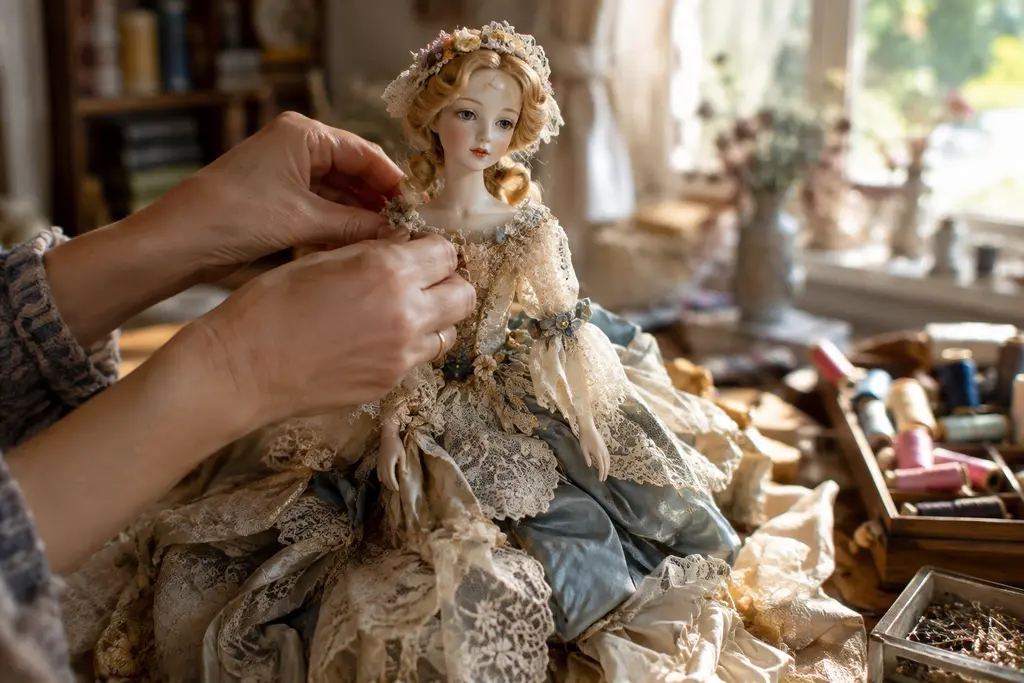

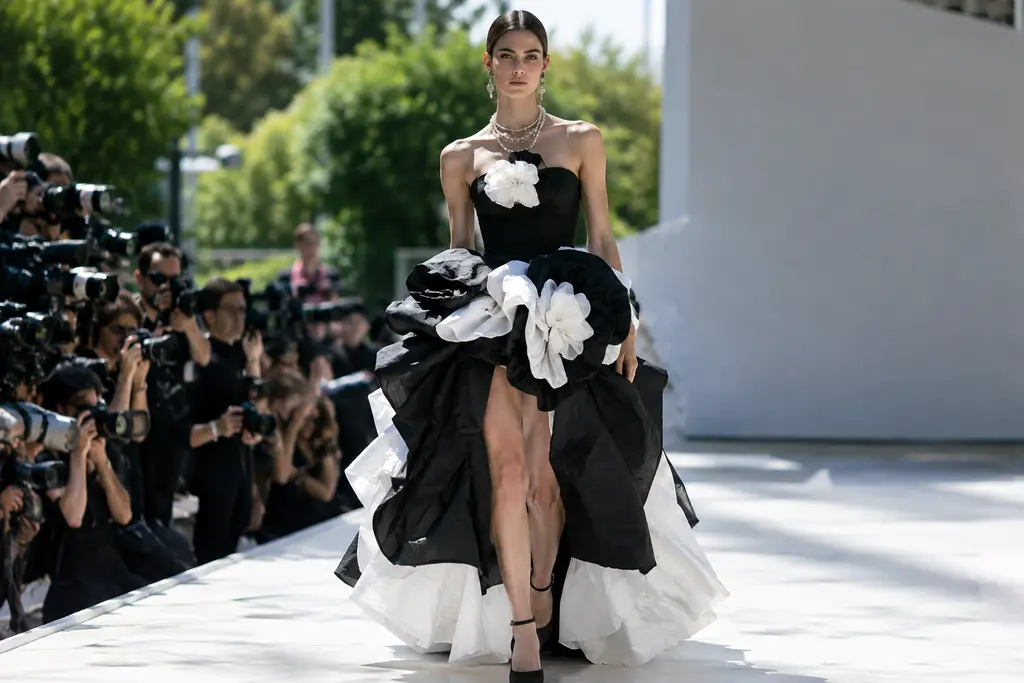
Chanel Dress-Up Ideas based on the Fall/Winter 2026 Ready-to-Wear collection work best when they treat the runway as a study source, not a template to duplicate. The collection was shown on March 9, 2026, according to Vogue’s runway coverage, and the research notes around it point to imagery of metamorphosis, shimmer, drop waists, tweed, lace, florals, iridescent slips, and altered proportions. For home dress-up, those cues can become playful construction exercises: a thrifted jacket with a metallic overlay, a shift dress lowered at the waistline, or a fabric flower used as a brooch. The useful goal is interpretation through texture and proportion, while avoiding brand marks, replica products, or misleading copies.
Chanel Dress-Up Ideas And Runway References
Reading The Collection Without Copying It
A runway collection carries artistic, commercial, and house-specific codes. A DIY costume project should separate broad visual ideas from protected branding and signature trade dress. In practical terms, that means working with common fashion vocabulary: mesh, tweed-like texture, two-tone footwear, floral clips, sheer overlays, abstract paint effects, and soft shine. It does not require monograms, exact handbag shapes, or a claim that a handmade piece is connected with the house.
The Fall/Winter 2026 research notes describe a contrast between daywear and evening surfaces: tweed against lace, paillettes against knit, and shimmer against more grounded tones. That contrast is especially useful for fairytale dress-up because it creates a sense of movement between ordinary and enchanted states. A plain jacket can become a courtly layer when covered with removable mesh. A simple slip can read as moonlit eveningwear when beaded at the hem. These small changes support imaginative play without demanding luxury materials.
Chanel Dress-Up Ideas For Drop Waists
One of the more practical silhouettes to adapt is the dropped waist. Mastermind’s coverage noted metal-mesh jacket-and-skirt sets and dresses with waistlines dropped toward the thigh area, alongside broader attention to proportion and shine in Mastermind’s collection notes. For a dress-up version, begin with a straight thrifted dress, tunic, or long tank. Add a removable belt, contrast band, or stitched panel around the mid-hip. The effect is theatrical but still wearable, especially for a storybook flapper, lunar page, or apprentice sorceress costume.
Construction should stay reversible where possible. Snaps, hook-and-loop tape, or hand-basted stitches let a maker test the placement before cutting. A dropped waist set too low can restrict walking; one placed too high may disappear under a jacket. For children’s dress-up, comfort should outrank strict runway proportion. For adult costume play, the line can sit lower, but the garment still needs enough ease for sitting, stepping, and turning.
Texture, Light, And Safe Material Choices
Mesh, Paillettes, And Iridescent Layers
The collection research points to iridescent lighting, metal-mesh effects, shimmering slip dresses, embroidery, and paillette surfaces. A home version can use metallic tulle, sequin mesh, satin, lurex blends, or lightweight organza. These materials catch light without requiring complex tailoring. For a Chanel Dress-Up Ideas session, the most effective method is layering: place a sheer metallic fabric over a matte base so the surface changes as the wearer moves.
A thrifted tweed-style blazer is a useful base, even if it is not true tweed. Pin or baste a panel of silver mesh across the front opening, sleeve cuffs, or back yoke. If the fabric scratches, bind the edges with ribbon or bias tape. Heavy sequined cloth can pull a jacket out of shape, so small panels often work better than full coverage. On a skirt, a sheer overskirt gives the same reflective suggestion with less weight.
From Caterpillar To Butterfly Color Movement
The metamorphosis idea in the research notes can be translated through gradient inserts. A sleeve can move from beige or ochre near the shoulder to lavender or pearly gray near the wrist. A skirt panel can shift from brown netting to translucent pastel. This does not need advanced dye work. Makers can layer two fabrics, use ombré ribbon, or stitch strips of different tones under a sheer top layer.
Color blocking also offers an accessible route. Pastel shades such as blush, mint, and lavender can sit against grounded tones such as beige, ochre, burgundy, or soft brown. The contrast creates a visual before-and-after effect: garden soil and wing, cocoon and moonlight, day jacket and evening slip. For more Fall 2026 runway-to-craft context, a related fairytale reading of seasonal cues appears in Fall 2026 DIY outfits.
Proportion Experiments For Dress-Up Play
Boxy Jackets And Detachable Overskirts
Proportion is often easier to alter than full garment structure. A boxy blazer can be padded lightly at the shoulder with removable foam inserts wrapped in scrap fabric. A narrow dress can gain theatrical scale through a detachable overskirt tied at the waist or hip. A bomber or cardigan can look stage-ready if the sleeves are extended with gathered organza cuffs. These changes echo the research notes on oversized outerwear, layered overskirts, and theatrical volume without claiming to reproduce a runway look.
Fit remains the main limit. Oversized sleeves should not cover the hands if the wearer needs to hold props or move safely. Overskirts should be short enough to avoid dragging on stairs. If the costume is for a child, avoid long cords, heavy trims, and sharp embellishments. Dress-up thrives when the wearer can run, sit, act, and change roles easily.
Action-Painting Knits Without Overworking The Fabric
The research notes mention action-painting prints and electric knits, with references to early modernist abstraction. For DIY, fabric paint on a knit top can suggest motion, but restraint matters. A few sweeping strokes across one shoulder, sleeve, or hem usually reads more clearly than covering the whole garment. Test paint on a scrap first, because stretch fabric can crack if the paint layer is too thick.
Bleach effects can be unpredictable and should be avoided for young makers. Fabric markers, diluted textile paint, or stitched ribbon lines are safer and easier to control. The aim is not to imitate a particular artwork. It is to borrow the broader idea of gesture: marks that look energetic, quick, and intentional.
Accessories, Color, And Rights-Aware Making
Florals, Camellia-Like Shapes, And Two-Tone Shoes
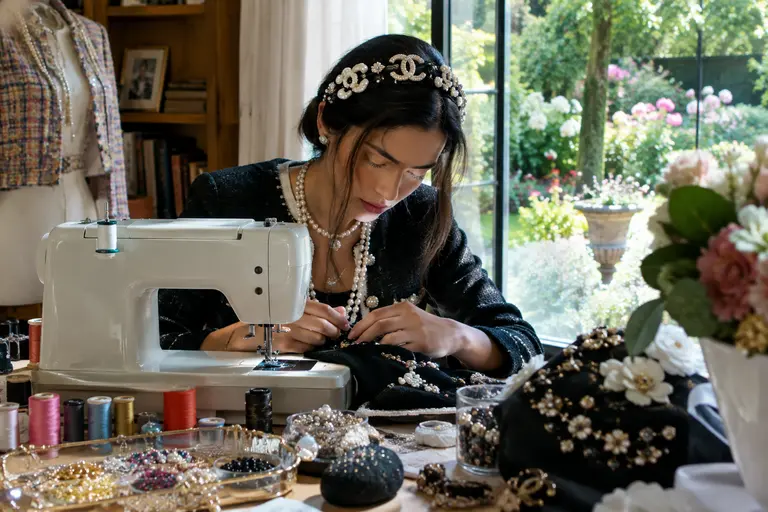
Accessories carry a large share of the costume signal. Fabric flowers, hair clips, brooches, pendant shapes, and floral bag charms can refer to the collection’s floral accents without copying exact branded forms. A camellia-like flower can be made from circles of cotton, felt, or satin stacked from large to small, then gathered at the center. Use it on a headband, jacket lapel, or ribbon choker.
Two-tone footwear is another approachable cue. Instead of altering expensive shoes, use removable ribbon straps, clip-on bows, or temporary shoe paint made for the material. A dark toe with a pale upper, or a pale strap over a dark shoe, gives a graphic finish. The costume reads sharper when the shoes repeat another color from the outfit, such as blush from a slip dress or burgundy from a floral pin.
- Use metallic mesh as a removable overlay on jackets, skirts, or cuffs.
- Add a mid-hip band to suggest a dropped waist on a shift dress.
- Layer tweed-like texture with lace, organza, or a satin slip.
- Create gradient panels from earth tones into pearl, lavender, or mint.
- Make fabric flowers for brooches, clips, or pendant-style accessories.
- Paint abstract marks on knitwear using textile paint in thin layers.
Rights-aware making is not about removing imagination. It is about being honest about inspiration. A maker can say a costume is runway-inspired, fairytale-inspired, or based on contrast, shimmer, and proportion. Selling pieces that imply brand affiliation, use protected logos, or mimic recognizable products raises different concerns and should be treated cautiously. For adjacent craft reading across the same publishing network, Next Clues offers additional creative ideas, serving as a companion source rather than a substitute for detailed runway analysis.
Chanel Dress-Up Ideas For Home Costuming
A Practical Build Plan
Start with one base garment and one visual priority. If the base is a blazer, choose shimmer or floral trim, not both at full strength. If the base is a slip dress, choose beading, a sheer overlay, or a dropped-waist band. This keeps the costume readable. Chanel Dress-Up Ideas work best when each handmade change has a clear job: light, texture, shape, or story.
A balanced dress-up look might pair a tweed-style jacket with a pale satin slip, a removable metallic mesh collar, two-tone shoes, and one large fabric flower. A more theatrical version could use an earth-tone dress with a lavender organza overskirt, painted knit sleeves, and a mid-hip sash. Both versions reflect the research themes without depending on exact replication.
The strongest DIY interpretation is selective. Choose the cue that serves the character: a butterfly courtier, a moonlit tailor, a garden apprentice, or a stage-ready heroine. Keep construction comfortable, credit the runway source as inspiration, and let handmade choices remain visibly personal. That balance gives dress-up its real value: not luxury imitation, but imaginative translation through cloth, color, and play.