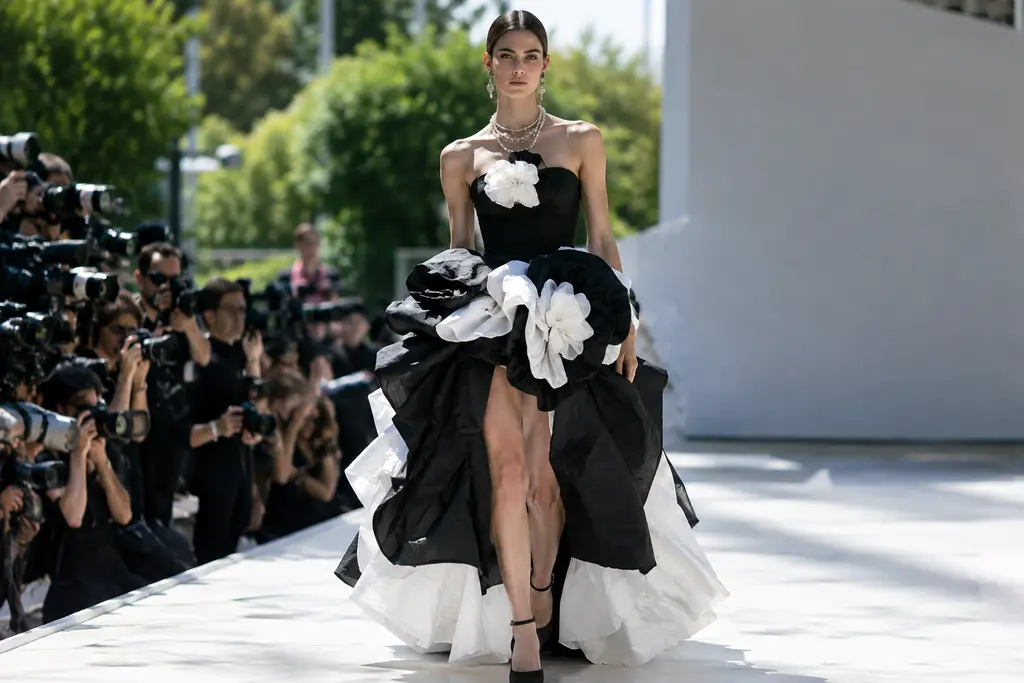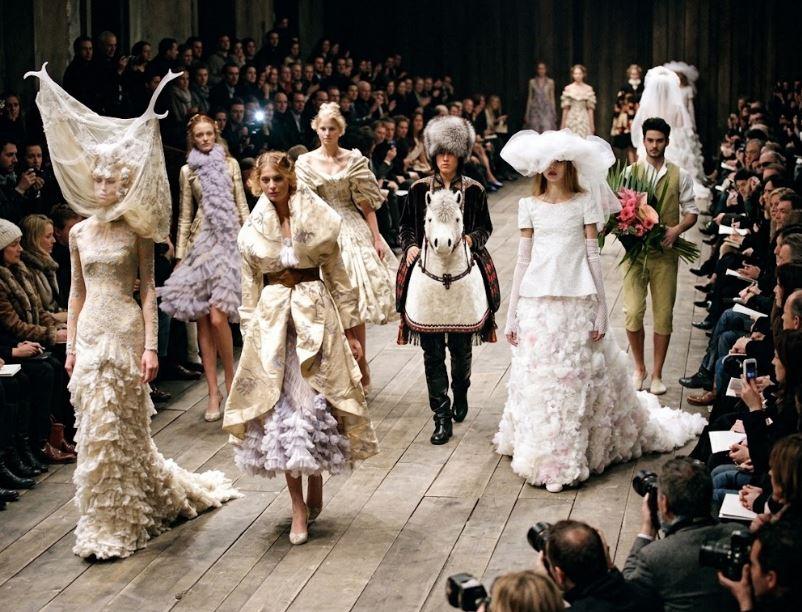

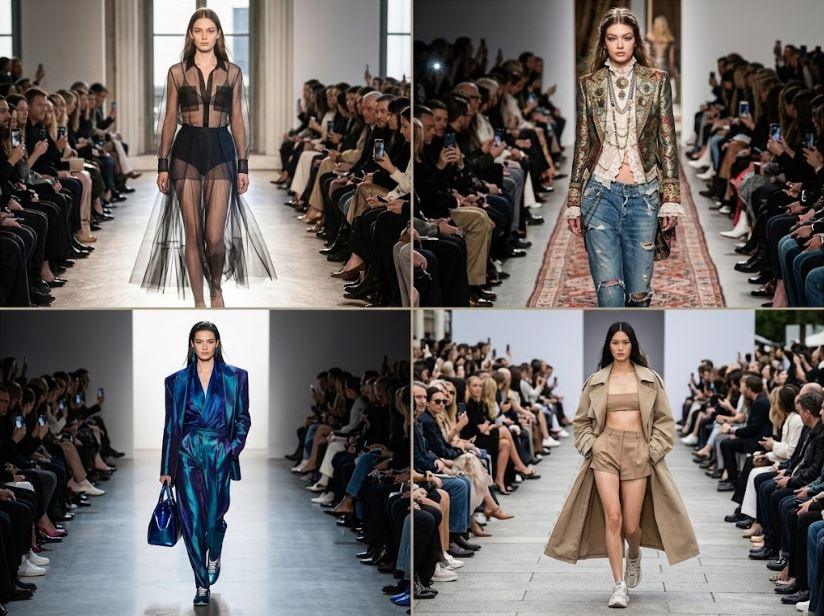
The Spring 2027 collections completely dismantled standard warm-weather aesthetics. Fashion houses replaced predictable floral prints with aggressive architectural concepts and structural innovations. Major creative shake-ups across European ateliers resulted in a severe reduction of excess fabric. Designers responded to a chaotic global environment by building highly calculated, geometric garments for the human body. The clothing presented across the major fashion capitals forces observers to evaluate formalwear as kinetic sculpture. Analyzing the runway data reveals a distinct set of physical codes defining the upcoming season.
1. Fluid Armor And Yielding Protection
Clothing regularly acts as a psychological shield. The recent runways translated this concept into fluid, yielding textiles. Designers replaced rigid corsetry with soft barriers. High-twist silk and dense jersey knits fall heavily over the frame, contouring to the body without restricting physical movement. This specific architecture provides full coverage from the neck to the ankle, hiding the biological shape of the wearer beneath smooth, unbroken columns of fabric. The resulting garments project massive authority, turning the wearer into a monolithic figure. The lack of hard boning forces the fabric itself to do the heavy lifting, requiring absolute precision in the pattern drafting to maintain the desired defensive shape.
2. The Monastic Suit
Corporate dressing shed its heavy lapels and complicated closures. The new blazer offers a clean, uninterrupted neckline running straight from the collarbone to the waist. Designers eliminated visible buttons, utilizing hidden magnetic clasps or internal hooks to secure the garment. This stripped-back approach to suiting creates a severe, monastic visual profile. The shoulders retain a sharp, constructed edge, framing the face aggressively. The waist remains slightly suppressed, referencing traditional formalwear geometry. Removing the lapel removes the visual clutter associated with standard business attire, leaving a minimalist shell that operates perfectly in high-stakes environments.
3. Exaggerated Drop Waists
The 1920s silhouette returned to dominate the lower half of the modern wardrobe. Pattern makers shifted the waistline downward to the high hip, bypassing the natural curve of the midsection entirely. This structural decision elongates the torso and creates a slinky, uninterrupted line through the chest and stomach. Skirts attach directly to this dropped seam, flaring out in heavy pleats or trailing behind in sheer silk. This cut ignores the traditional hourglass shape. It demands a relaxed, unbothered posture from the wearer. The dropped waist appears on formal evening gowns and casual daytime dresses, standardizing this elongated proportion across all categories of dressing.
4. Translucent Scaffolding
Sheer fabrics do not just expose the body this season. They support heavy embroidery and complex surface designs. Ateliers utilized dense tulle and silk organza as invisible scaffolding. These transparent materials hold heavy glass beads, thick leather intarsia, and massive floral appliqués in suspended animation around the wearer. The visual effect mimics objects hovering in mid-air. The transparent base fabric must possess immense tensile strength to support the weight of the decorations without tearing or sagging. This technique turns the human skin into a background canvas, allowing the three-dimensional embellishments to command the primary focus.
5. Industrial Metal Integration
Steel, aluminum, and heavy brass left the accessory department and integrated directly into daily womenswear. Runway presentations featured demi-couture gowns constructed entirely from stainless steel chainmail. Heavy metal mesh replaced standard cotton for tops and skirts, forcing the wearer to carry immense physical weight. Polished breastplates and rigid metallic belts acted as focal points over soft jersey dresses. The integration of these industrial materials into daytime silhouettes signals a collective desire for physical security. The garments project absolute dominance, replacing soft spring fabrics with unyielding industrial materials.
6. Subtractive Leatherwork
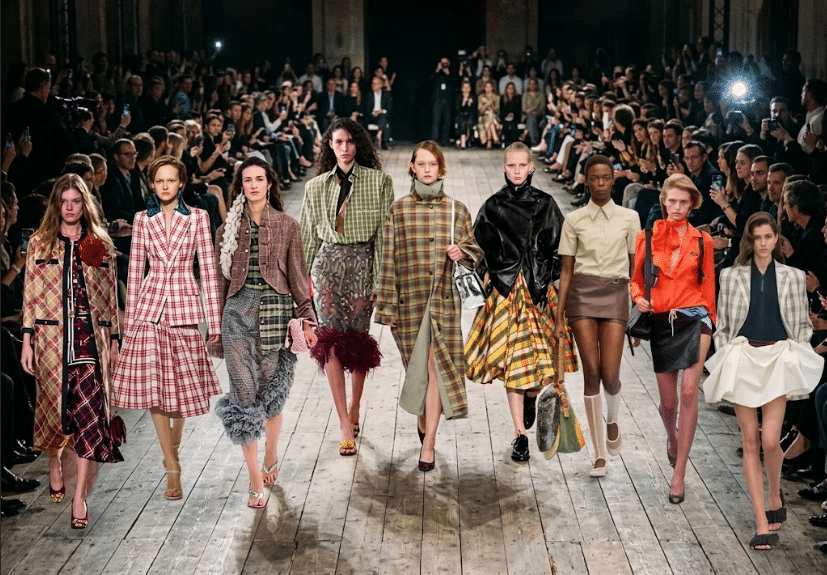
Luxury houses famous for their leather goods manipulated heavy hides into weightless textiles. Artisans sliced dense calfskin into delicate, spiderweb-thin netting. This subtractive process removes the bulk of the leather, leaving behind a flexible framework that breathes easily in warm weather. Coats and skirts feature laser-cut geometric patterns mimicking delicate lace. This technique allows designers to use autumn-weight materials in spring collections. The leather retains its rigid structure at the seams, holding sharp lines and dramatic shapes, while the perforated body of the garment provides necessary ventilation.
7. Kinetic Hemlines
Static clothing failed to capture runway attention. Designers engineered skirts specifically to react to environmental forces like wind and gravity. Form-fitting gowns featured ruffled hemlines mathematically designed to swing like pendulums as the wearer walks. Silk trains incorporated hidden weights to dictate exactly how the fabric trails behind the body. Some skirts utilized aerodynamically cut pleats that inflate slightly when the wearer moves forward. This kinetic engineering proves that high fashion interacts directly with physics. The garments come alive the moment the model takes a step, demanding physical space and dictating a slow, deliberate walking pace.
8. High-Saturation Monochrome
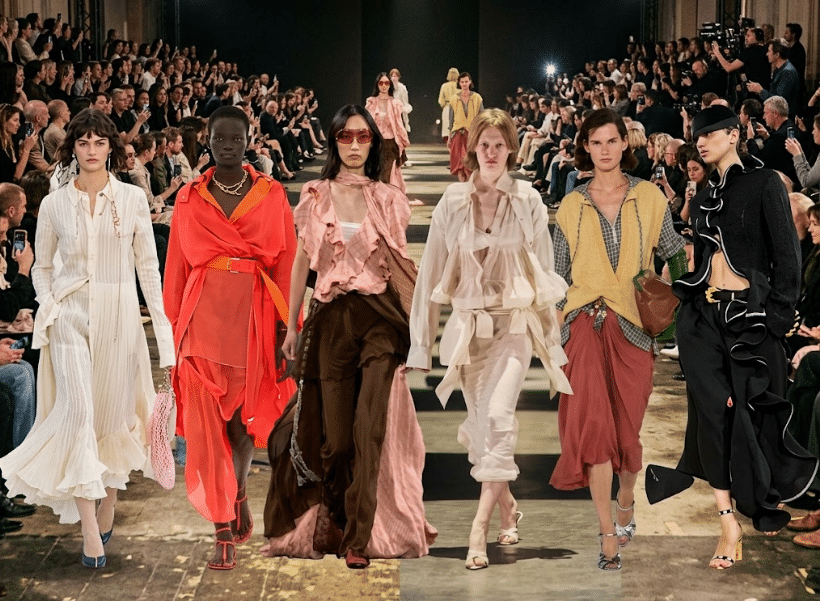
The industry rejected muted pastels. Bright primary pigments flooded the runway, demanding immediate visual attention. Fashion houses saturated their textiles in stark, warning-sign reds, heavy sunflower yellows, and blinding royal blues. This approach requires perfect garment construction. Bright, solid colors leave zero room for error. A misplaced seam or a sloppy hem becomes instantly visible without a distracting print to hide it. These aggressive pigments force the viewer to focus entirely on the physical drape and precise cut of the cloth. Wearing these solid blocks of color requires high confidence and strict coordination with neutral footwear.
9. Domestic Textile Draping
Sleepwear influenced high-end construction across multiple collections. Ateliers engineered twin sets and wispy dresses to resemble rumpled bedsheets and intimate linens. Cotton poplin and washed linen received highly calculated draping to appear perfectly careless. Achieving this specific aesthetic requires exact pinning and invisible structural seams. The fabric looks as if it simply twisted around the body upon waking. This casual presentation hides immense technical skill. The garments offer extreme physical comfort, blurring the line between private loungewear and public formalwear.
10. Eighteenth-Century Hip Expansion
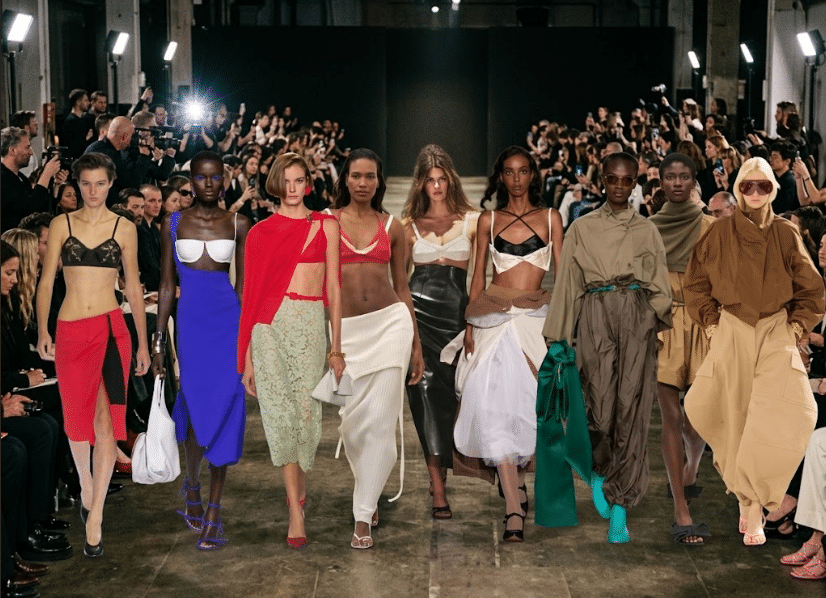
Historical volume dictates the new skirt shape. Designers drew inspiration from the massive, horizontal hip structures of the 1700s. Skirts expand aggressively outward from the pelvis, requiring internal scaffolding to prevent the fabric from collapsing. Panniers and rigid crinolines returned to the runway, modernized through lightweight synthetic materials. This exaggerated shape creates intense visual drama. The massive lower half forces the upper torso to appear incredibly small in comparison. These wide proportions require calculated maneuvering through narrow doorways, turning the act of walking into a highly formal, ceremonial event.
11. Asymmetrical Utility
Center zippers disappeared from lightweight outerwear and skirts. Closures shifted to the far shoulder or the extreme side of the hip. Pockets migrated to unexpected locations, appearing on the backs of thighs or overlapping the central seams. This asymmetrical placement breaks the traditional visual balance of the human body. The garments pull diagonally across the torso, creating dynamic tension in the fabric. The off-axis hardware draws the eye immediately, serving as both a functional closure and a primary decorative element.
12. The Micro-Jacket
The oversized blazer lost its dominance. Pattern makers introduced shrunken jackets stopping abruptly above the ribcage. These micro-jackets feature sharp, pronounced shoulders and highly fitted sleeves. The drastically shortened hemline forces a necessary pairing with high-waisted trousers or voluminous skirts. This combination artificially lengthens the legs and reduces the visual mass of the upper body. The tight fit restricts arm movement, demanding a formal, upright posture. The micro-jacket acts as a rigid, architectural cap over the fluid garments layered beneath it.
13. Bio-Fabric Experimentation
Chemical synthetics lost their luxury status entirely. Laboratories engineered new textiles from algae, mycelium, and bacterial cellulose. These organic materials offer the exact texture and durability of animal leather or synthetic plastic without the environmental damage. Designers sent coats constructed from seaweed fibers and bags molded from mushroom roots down the runway. This material shift dictates a new definition of luxury, prioritizing laboratory innovation over traditional silk weaving. The garments possess a raw, slightly unpredictable texture, highlighting their organic origins.
14. Trompe L’Oeil Knitwear
Sweaters deceive the eye. Flat knits mimic three-dimensional pleats, collars, and pockets through exact color mapping. Artisans programmed knitting machines to switch thread colors rapidly, creating the optical illusion of heavy folds and shadows on a completely smooth surface. The garments look highly complex and layered from a distance. Up close, they reveal a simple, single-layer construction. This technique reduces the physical weight of the clothing, offering the visual impact of heavy layering during the warm spring months.
| Trend Designation | Structural Focus | Primary Material Execution |
|---|---|---|
| Fluid Armor | Monolithic coverage, soft barriers | High-twist silk, dense jersey knits |
| Monastic Suit | Hidden closures, lapel elimination | Stiff wool, hidden magnetic clasps |
| Drop Waist | Elongated torso, high-hip seams | Pleated cotton, sheer silk overlays |
| Micro-Jacket | Ribcage hemline, sharp shoulders | Structured tweed, heavy canvas |
Mastering these shifts requires updating your foundational wardrobe. You can integrate these structural changes by reviewing modern spring styling formulas to determine the exact proportions suitable for your height. For a complete visual archive of the shapes dictating this season, the Spring/Summer 2027 runway coverage provides the raw data needed to track these exact garments in motion. The top 14 trends from the Spring 2027 season prove that fashion continues to operate as a serious, architectural discipline, focusing entirely on redefining the boundaries of the human silhouette.