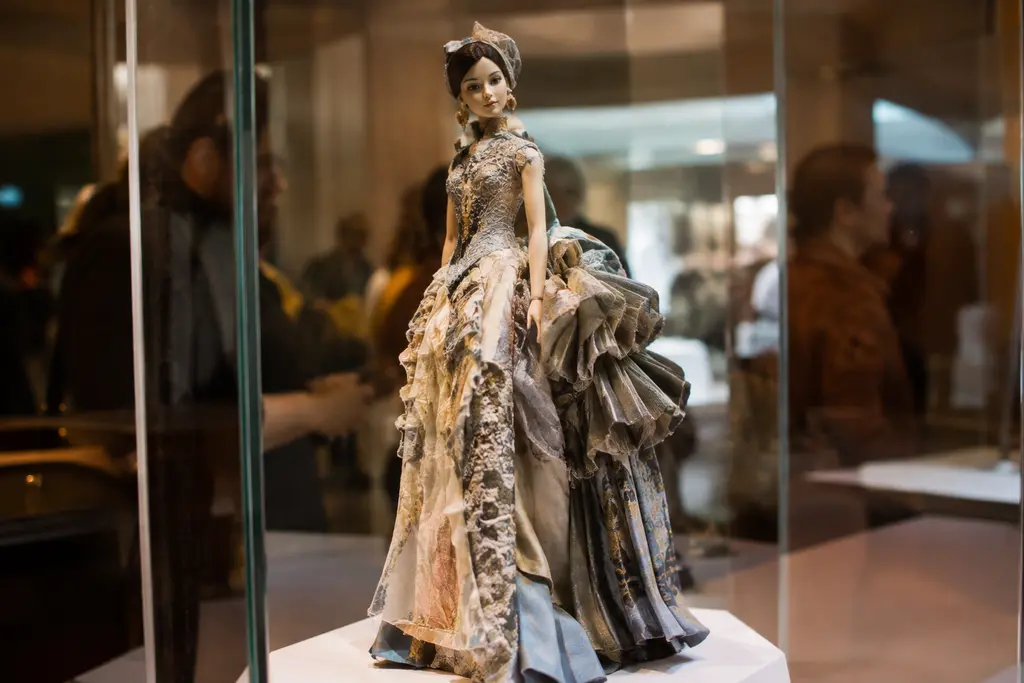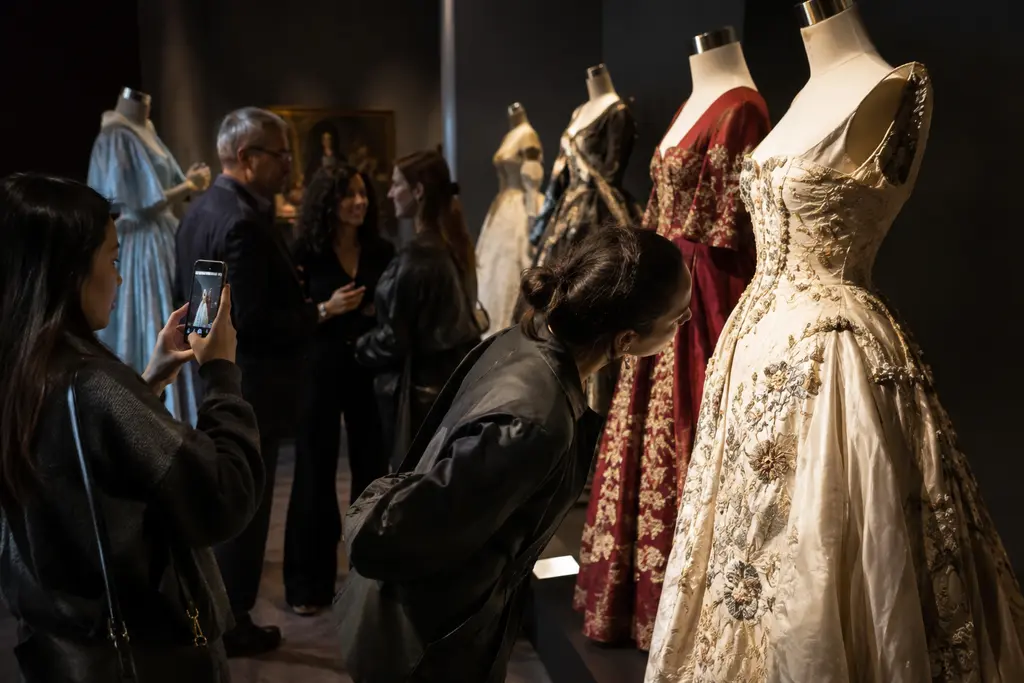
DIY Dress-Up Ideas take on a sharper purpose after the 2026 Met Gala and the Costume Institute exhibition Costume Art in New York. The Met Gala, themed Fashion Is Art, was covered for its big proportions, including puffed sleeves, ballgown scale, and towering skirts in a volume-dressing account. Costume Art has also been discussed through its focus on body typologies, with sections that address bodies such as pregnant, corpulent, aging, and disabled in a Costume Art report. For a maker, the useful lesson is not to copy a specific designer look. It is to study proportion, material behavior, and the way clothing can frame the body as an artistic subject.
Why DIY Dress-Up Ideas Need Structure
Wearable art can look spontaneous from a distance, but the strongest home-made costumes usually begin with a clear structural choice. A costume can emphasize width, height, surface texture, reflection, drape, or distortion. Trying to use all of those devices in one outfit often weakens the result. A safer approach is to choose one dominant idea and then let every material serve it.
DIY Dress-Up Ideas For Volume
The most direct reference from the recent New York fashion-art conversation is volume. At home, that can come from tulle underskirts, thrifted crinolines, quilted batting, detachable balloon sleeves, or a cape panel tied into a broad arc. A plain black dress, denim jacket, or secondhand blazer can become a base for scale experiments without requiring advanced tailoring. The test is balance: if the shoulder grows wider, the hem may need weight; if the skirt gains height, the bodice should stay visually calmer.
Body Typologies Without Caricature
The body typology framing around Costume Art should be handled with care. Padded forms, bulging textures, and draped concealment can be powerful costume tools, but they should not turn real bodies into jokes. A respectful version studies silhouette and perception rather than mocking disability, age, pregnancy, size, or medical difference. These DIY Dress-Up Ideas work best when the wearer asks what the form communicates before asking whether it looks dramatic in a photo.
Materials And Proportion Tests
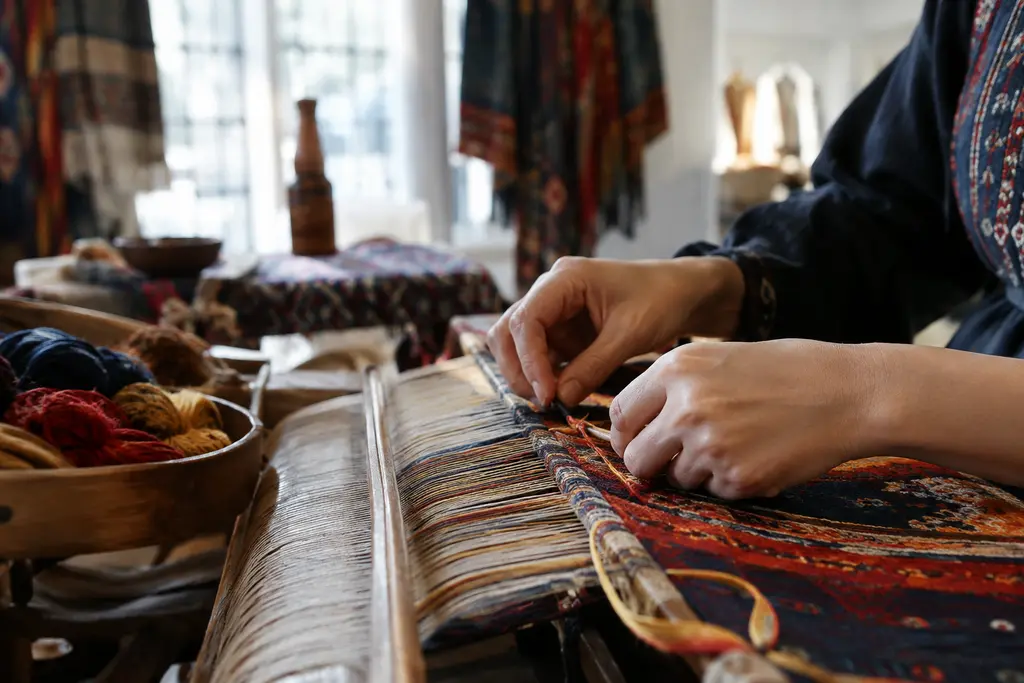
Material choice decides whether a costume reads as sculptural or simply bulky. Tulle expands with air and light. Batting creates soft swelling. Foam holds sharper contours. Lace adds shadow without adding much weight. Mirror acrylic or metallic foil reflects the viewer and can make the face or chest read as a surface rather than a fixed identity. None of these materials needs to be costly, but each one needs a movement test before the costume is worn outside the workroom.
Volume Builds From Everyday Bases
A practical build can start with one foundation garment. A shirt dress can take detachable sleeves made from gathered organza. A thrifted skirt can accept a hidden petticoat. A blazer can carry padded hip panels, provided the shoulders and closure remain stable. Pin the additions first, walk for five minutes, sit down, and check whether the fabric collapses or pulls. If the costume fails that test, reduce the scale rather than adding more glue, tape, or trim.
Mirrors, Lace, And Padded Texture
Reflective face elements are best treated as suggestion rather than full coverage. Small mirror tiles on a visor, lightweight foil stitched onto a collar, or reflective vinyl applied to a mask can produce a self-reflexive effect while leaving sightlines safe. Lace and sheer layers can refer to skin, mourning, modesty, or age, depending on color and cut. Padded gingham, quilted patches, ruched panels, and stuffed fabric knots can build lumps and bumps without relying on a designer replica.
Fine Art References Without Direct Copying
Costume Art places fashion near artworks, so it is natural for makers to think about painting, sculpture, and museum display. The safer creative method is translation, not duplication. A costume can borrow a painting’s color relationship, brush-like texture, or sense of movement without reproducing the image. For example, a maker might use layered blue, green, and cream ribbons to suggest a floral painting mood, rather than copying a known composition panel by panel.
Color, Texture, And Motif Translation
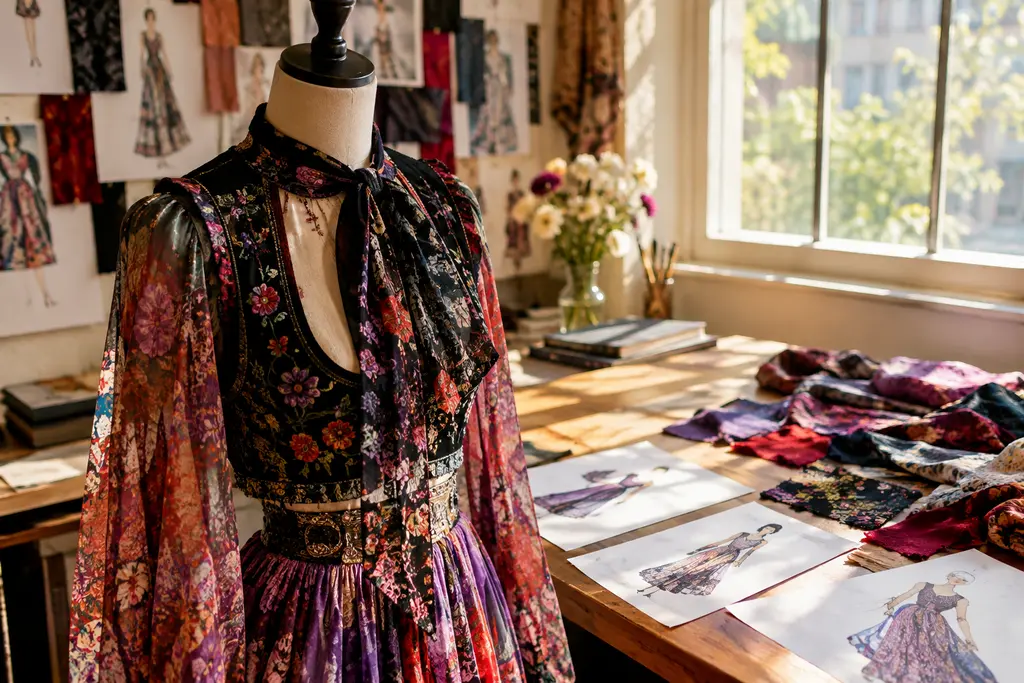
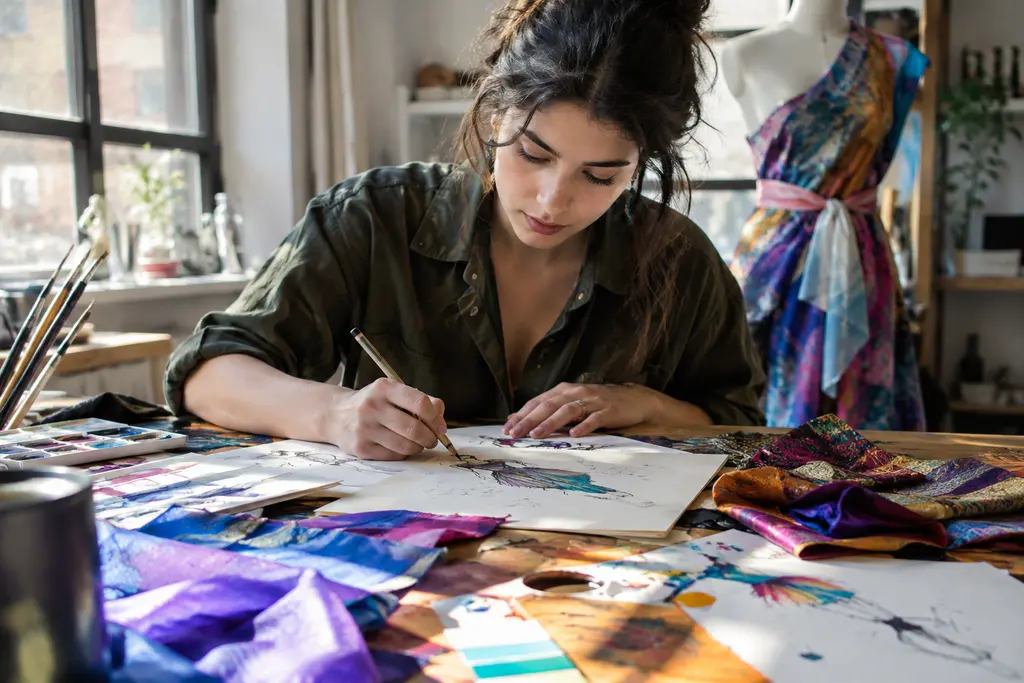
A strong art-reference costume often begins with three swatches and one shape. Choose a dominant color, a shadow color, and a highlight color. Then choose a shape such as a spiral, petal, stripe, grid, plume, or broken line. Repeat that shape in different scales across a cape, collar, skirt, or headpiece. This method gives the outfit a coherent visual grammar while keeping clear distance from direct reproduction of a specific protected image.
Rights-Aware Costume Making
For personal dress-up, reference boards are common, but sellers and content creators should be more cautious. Avoid using copyrighted characters, celebrity likenesses, or near-identical copies of living designers’ signature works in commercial listings. This is not legal advice, and rights questions depend on details. Still, a maker can reduce risk by describing materials and construction honestly, naming broad influences only when accurate, and avoiding claims of affiliation. For adjacent maker framing, the site’s wearable-art styling notes offer a related way to think about fantasy dress without flattening source material.
Wearability Checks For Home Makers
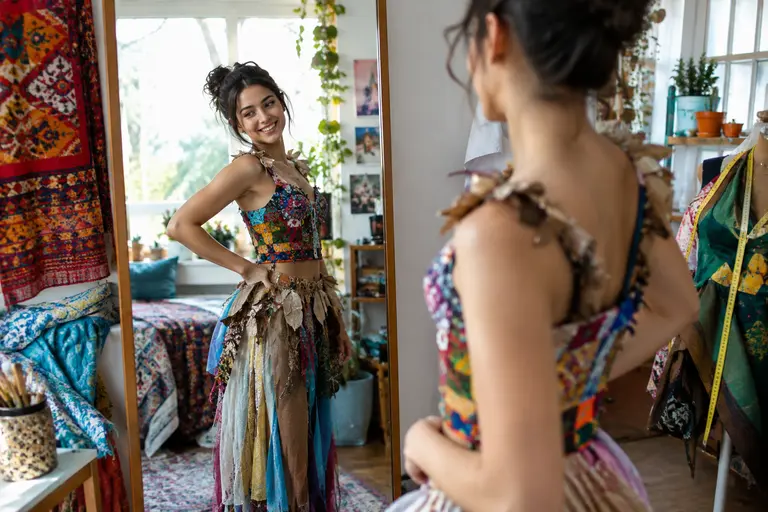
An art costume still has to survive the body in motion. Before adding decorative detail, check weight, heat, reach, and visibility. Can the wearer raise their arms? Can they use stairs? Does the hem drag in a way that could catch underfoot? Does a reflective face piece block side vision? These questions are less glamorous than a final photo, but they separate a thoughtful build from an unsafe prop.
Movement, Heat, And Repair
Large costume forms often trap heat. If the piece uses foam, batting, or several lace layers, add hidden openings at the side seams or back. Use snaps, ties, or hook-and-loop strips where possible so sections can be removed during breaks. Pack a small repair kit with safety pins, thread, tape, and spare fasteners. A costume inspired by museum fashion does not need museum fragility; it needs controlled flexibility.
Styling For Photos And Parties
Styling should protect the main idea. If the costume is built around giant sleeves, keep jewelry small. If the face is reflective, avoid a competing hat. If the skirt carries padded texture, choose footwear with enough visual weight to anchor it. For readers comparing fashion with broader culture coverage, related network notes at Robsonic offer a complementary perspective alongside museum and fashion reporting, though direct exhibition sources should guide factual claims.
Wearable Art Costume Ideas For Makers
The most useful path is a short build order rather than a long shopping list. Start with the concept, then scale, then surface, then movement. That keeps the costume readable and helps the maker avoid buying materials that do not serve the final form.
- Choose one silhouette claim: wide shoulders, expanded hips, tall skirt, veiled face, or padded surface.
- Pick one art cue: color field, brush texture, reflective identity, gothic drape, or sculptural swelling.
- Test on the body: walk, sit, turn, and photograph the outfit before final stitching.
- Edit the surface: remove trims that compete with the main shape.
For DIY Dress-Up Ideas inspired by recent wearable-art trends, restraint is not a lack of ambition. It is the tool that lets volume, padding, lace, reflection, and fine-art reference read clearly. The best home costume does not pretend to be a museum piece or a red-carpet gown. It uses those public fashion moments as evidence, then turns them into a wearable study of proportion, respect, and personal imagination.