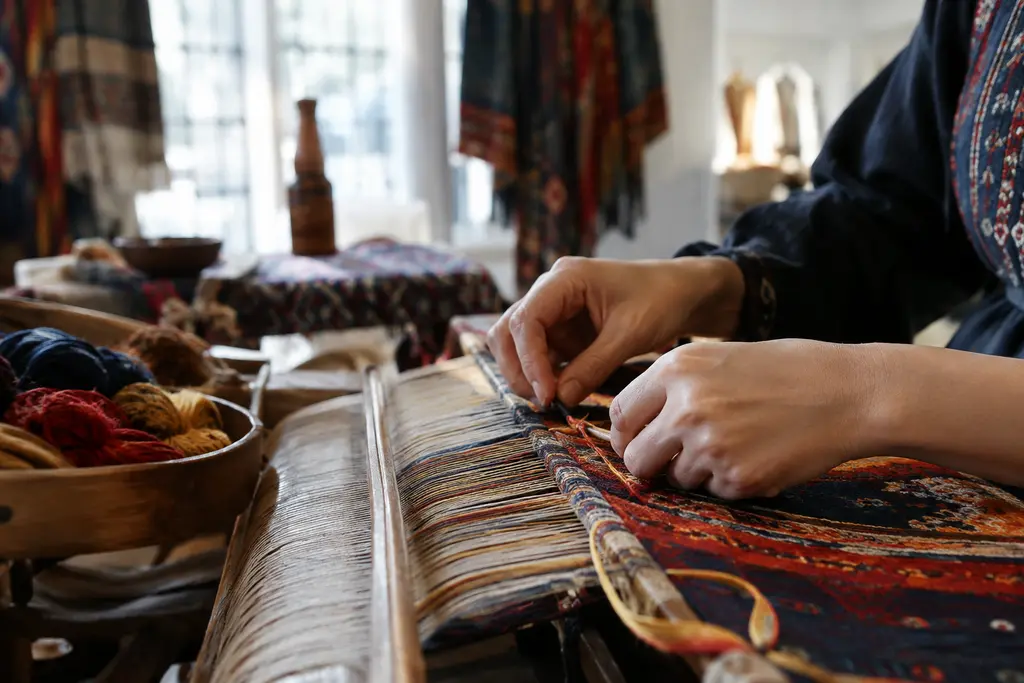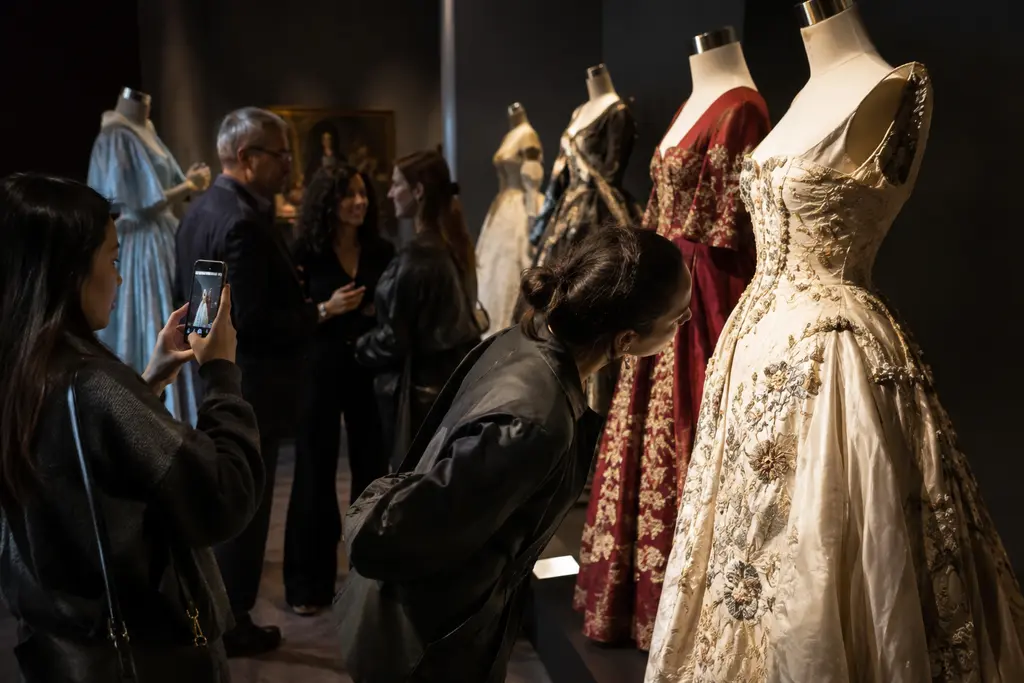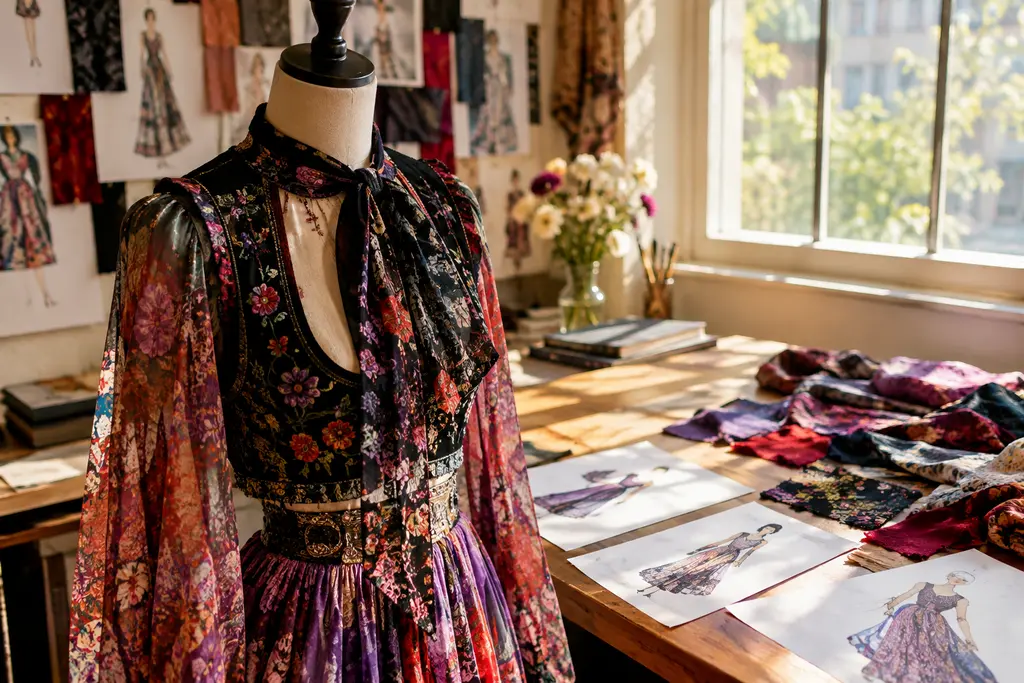

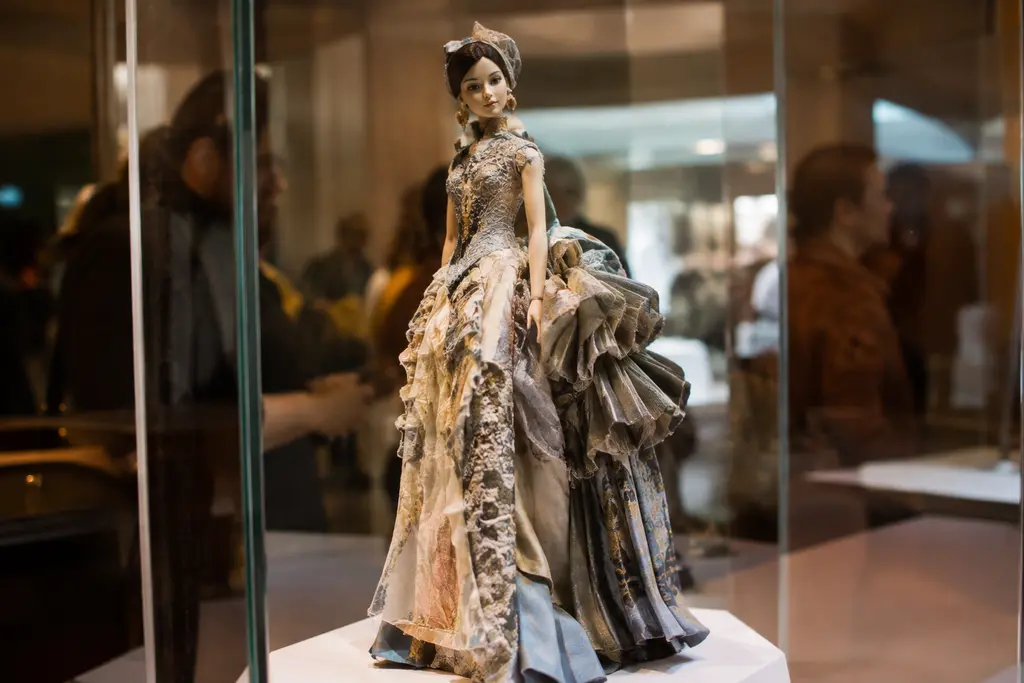
The Doll Dressing Exhibition opened on September 16, 2026, and is scheduled to run through January 3, 2027, at the Special Exhibitions Gallery of The Museum at FIT in New York. The museum states that the show includes more than 170 objects, including fashion dolls, full-size garments, accessories, videos, and artworks from the 18th century to the present, according to The Museum at FIT. That factual frame matters. The exhibition is not simply presenting dolls as nostalgic props; it is positioning them as evidence of how fashion circulates, how bodies are idealized, and how dress-up play can move between childhood, commerce, identity, and design critique.
What The Doll Dressing Exhibition Establishes
How The Doll Dressing Exhibition Frames Scale
The show’s most useful contribution to fashion-trend analysis is its attention to scale. A doll garment is not just a smaller dress. It changes proportion, exaggerates surface detail, and compresses fantasy into a form that can be handled, collected, or projected onto. When those proportions return to adult clothing, they can create unease as much as charm. That point is visible in Martin Margiela’s Fall 1994 work, where garments were enlarged 5.2 times typical doll size. In the research supplied by the museum, that enlargement is framed as a critique of unrealistic body standards in the fashion system.
This scale shift is not a minor styling trick. It asks the viewer to notice how a “cute” object can become physically strange when moved onto a human body. Contemporary fashion often uses outsized collars, flattened bows, stiff skirts, and toy-like surfaces, but the exhibition encourages a more cautious reading: those elements are not always playful. They can question the measurements fashion uses to define desirability.
Why Miniature Dress Still Matters
The exhibition also places dolls within older systems of fashion communication. Harper’s Bazaar reports that miniature fashion dolls were used between the 14th and 18th centuries among European courts to show couture designs to dressmakers, and some came with manuals for scaling up the fashions, as described in Harper’s Bazaar. That detail changes the status of the doll. It was not only a toy; it could operate as a design vehicle, a portable model, and a teaching object.
That historical role helps explain why fashion designers continue to return to doll forms. The Museum at FIT’s research connects dolls and early design practice through figures including Jason Wu, Anna Sui, and Ruby Bailey, who began by designing for dolls. This does not prove a single direct line from childhood play to professional fashion for every designer. It does show that small-scale dressing can train the eye in silhouette, color, proportion, and character.
Trend Signals Without Overclaiming
Identity Play And Inclusive Styling
The Doll Dressing Exhibition does not prove that a single runway trend began with dolls. A museum exhibition can clarify patterns without causing them. Its section “We Can All Be Dolls” is especially useful because it links doll imagery to questions of representation. The research notes identify a 2022 Laverne Cox Barbie, Black Dolls Matter dolls, a “Protect the Dolls” tee by Conner Ives benefiting Trans Lifeline charity, and skin tone diversity in fashion makeup.
Those examples suggest that doll aesthetics are not limited to narrow ideals of femininity. They can be used to discuss visibility, styling agency, and the politics of who is allowed to be seen as beautiful, collectible, glamorous, or protected. For fashion trend readers, the safer claim is not that dollcore or doll dressing has a single meaning. The evidence points instead to a wider visual vocabulary: polished artificiality, miniature references, collectible identity, and self-styling as performance.
Hyper-Femininity, Horror, And Control
The exhibition’s “All Dolled Up” section includes archetypes such as the 1920s flapper, the 1960s “dolly bird,” and 1990s and 2000s Lolita fashion. In the research, these references are framed as modes of empowerment, self-expression, and identity rather than mere passivity. That distinction is necessary. Hyper-feminine clothing can be restrictive, but it can also be chosen, exaggerated, parodied, or armored.
The “Broken Dolls” section pushes that tension further through distortion, horror, the 1990s Kinderwhore aesthetic, and unsettling doll imagery. This is where doll-inspired fashion becomes less about sweetness and more about control of the gaze. Cracked surfaces, awkward proportions, smudged makeup, and damaged prettiness can challenge conventional beauty norms. Designers use those cues to make viewers uncomfortable with the systems that produce perfect dolls and perfect bodies.
Scale, Screens, And Contemporary Fashion Consumption
Paper-Doll Logic In Visual Fashion
Jeremy Scott’s 2017 Moschino “paper-doll” look, with tabs and trompe-l’oeil flaps, is one of the clearest links between doll dressing and image-based fashion. The research frames the look as a comment on how fashion is consumed visually, including through screens. That is a precise and useful claim. The paper-doll effect flattens clothing into a graphic object, making the garment read almost like a cut-out before it reads as fabric.
This matters for contemporary trend analysis because many garments now succeed first as images. A dress can be built for movement, but it may also be designed to register instantly in a photograph. Paper-doll tabs, false flaps, and cartoon-like outlines make clothing legible from a distance. The exhibition gives critics and makers a way to talk about that visual economy without pretending that all screen-friendly fashion is superficial.
Fashion Doll Proportion As Critique
Balenciaga, Comme des Garçons, Maison Martin Margiela, Marc Jacobs, Patrick Kelly, Loewe, Louis Vuitton, Moschino, Anna Sui, and Undercover are among the designers and houses represented in the exhibition research. The range matters because it prevents a narrow reading of doll fashion as one isolated trend. These references cross luxury, conceptual fashion, street-inflected design, humor, and critique.
The safest impact claim is curatorial rather than commercial: the show gives contemporary fashion a clearer language for talking about dolls as models, muses, distortions, and cultural symbols. That language can help readers understand why a bowed mini dress, a stiff platform shoe, a baby-doll silhouette, or a deliberately artificial face may carry more meaning than surface nostalgia.
Practical Dress-Up Lessons For Makers
Respecting Artistic Sources
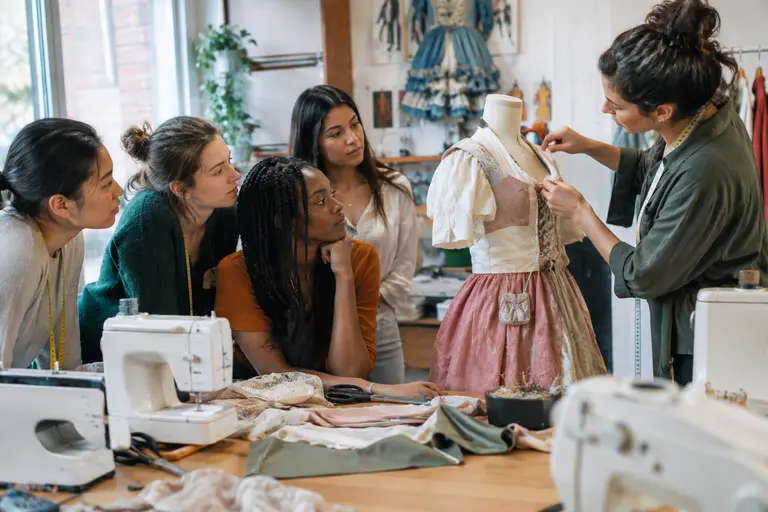
For DIY dress-up makers, the exhibition offers inspiration, but it also calls for restraint. Respecting designers means studying principles rather than copying exact garments. Scale play, detachable panels, visible tabs, exaggerated collars, and proportion shifts can all be explored without reproducing a protected design or presenting another artist’s work as one’s own. For readers planning home projects, DIY dress-up ideas inspired by Doll Dressing can help translate museum concepts into lower-risk craft experiments.
For adjacent culture and fashion reads, Next Clues offers insights into the broader context of dress-up ideas within fashion and entertainment. Still, makers should keep the focus on proportion, texture, and narrative rather than imitation. A doll-inspired costume works best when it communicates a concept: innocence under pressure, glamour as performance, artificial polish, or the unsettling boundary between toy and body.
Low-Risk DIY Translation
Several design lessons can be adapted from the exhibition’s themes without claiming to reproduce the museum objects:
- Scale one detail, not the whole outfit. An oversized bow, enlarged cuff, or stiff collar can suggest doll proportion without turning the look into a direct copy.
- Use paper-doll construction cues. Removable tabs, flat appliqués, and outlined panels can reference cut-out play while remaining original in shape and color.
- Treat inclusivity as design structure. Skin-tone palettes, adjustable closures, and varied silhouettes make dress-up more usable for more bodies.
- Handle broken-doll imagery with care. Distress, cracks, and horror cues should serve a clear visual idea rather than trivialize harm or identity.
Doll Dressing Exhibition Fashion Trend Impact
The Doll Dressing Exhibition is most useful as a framework for reading fashion, not as proof of a simple trend origin story. Its impact lies in how it gathers objects from different periods and shows that dolls have long served as fashion messengers, body ideals, design exercises, identity tools, and sources of critique. That range is why the exhibition feels relevant to contemporary fashion without needing unsupported claims about what every designer or shopper will do next.
For fairytale fashion, cosplay, and handmade dress-up culture, the lesson is especially clear. Doll aesthetics can be sweet, eerie, political, glamorous, or analytical. The strongest contemporary uses do not flatten that range. They recognize the doll as a charged object: small enough to invite play, stylized enough to reveal fantasy, and strange enough to expose the rules fashion places on real bodies.