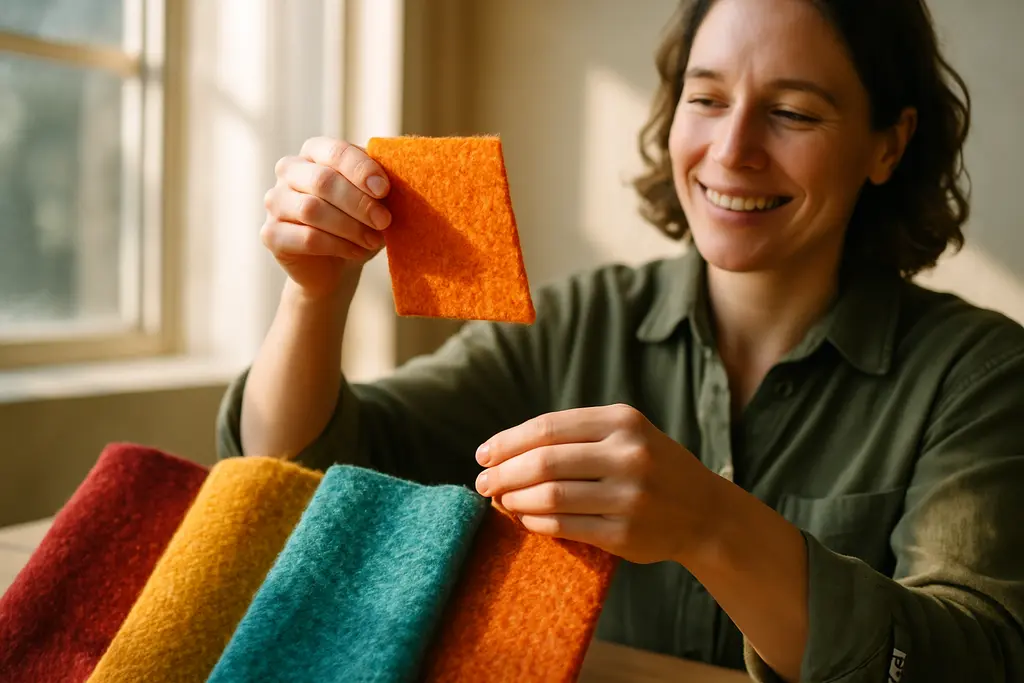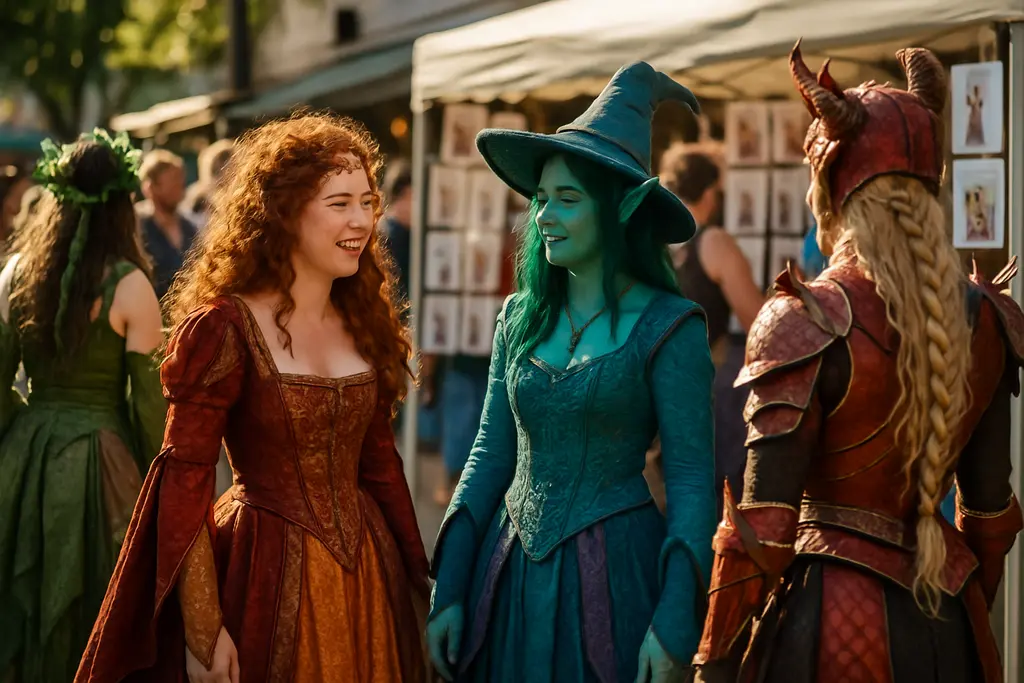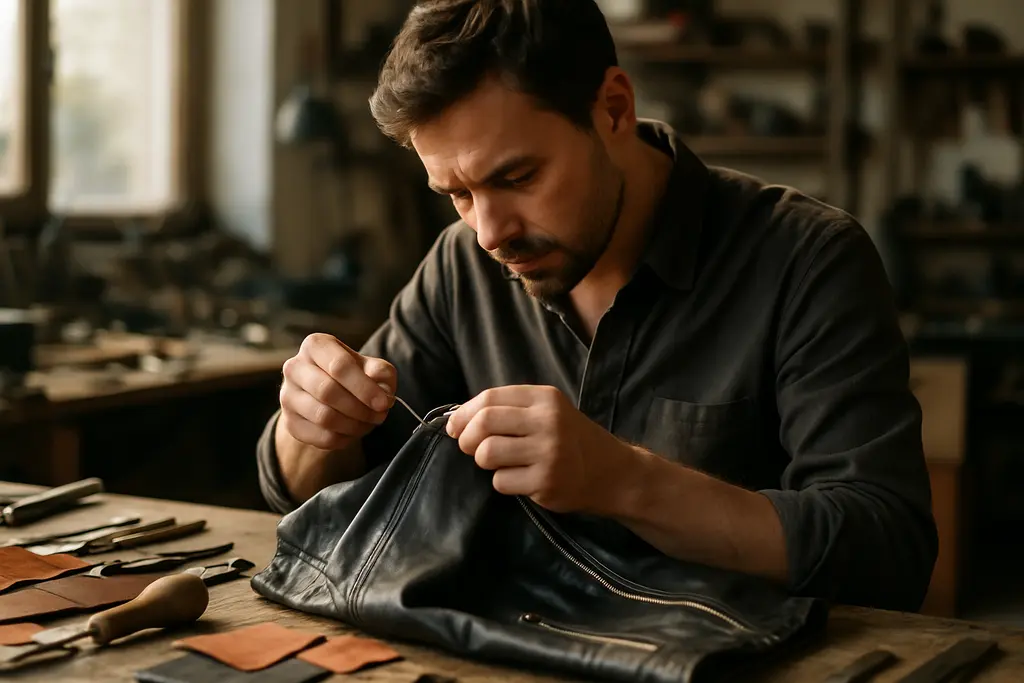

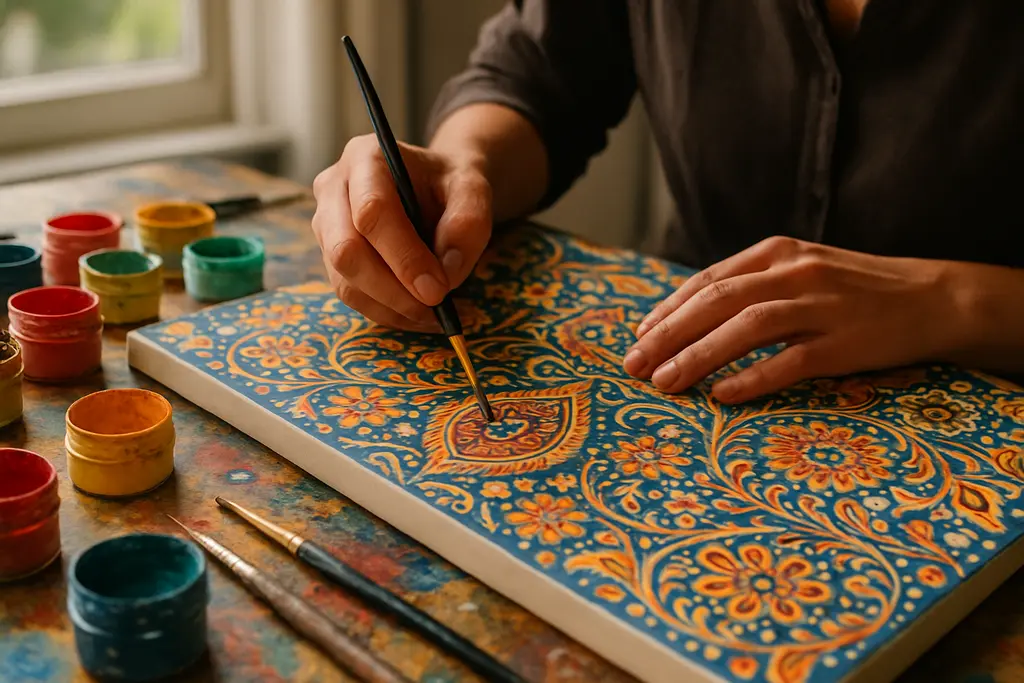
The phrase LA Art Week Patterns sounds like a licensed merchandise capsule, but the research supplied here does not confirm a specific LA Art Week exclusive merchandise launch under that title. What can be verified is more useful for careful makers: LA Art Week is presented as a citywide digital platform for artists, galleries, institutions, cultural innovators, exhibits, fairs, installations, activations, public programming, and brand collaborations, according to the official LA Art Week site. That makes the topic less a product review of one proven drop and more a disciplined maker brief: how to build handcrafted items with flair while avoiding the lazy hunger to copy another artist’s flame.
For aspiring creators, the honest review begins with restraint. A merchandise object linked to an art-week mood should not pretend to be official if no such authorization exists. It should study structure, rhythm, material behavior, and display culture, then make something original. A scarf, print wallet, paper ornament, or stitched patch can carry the heat of Los Angeles exhibition culture without borrowing protected imagery, names, or recognizable artist signatures. That line matters. It protects the maker from weak creative habits and protects artists from having their work treated as raw fabric for someone else’s sale rack.
Reading LA Art Week Patterns As Evidence
LA Art Week Patterns Without A Confirmed Drop
The most important finding is a negative one: the supplied research does not verify a precise exclusive merchandise launch attached to LA Art Week under the wording in the topic. That absence should shape the tutorial. Makers should not write sales copy claiming an official collaboration, a limited LA Art Week release, or an artist-approved capsule unless they can document it through official pages, contracts, or direct permissions. In a small shop, a single unsupported phrase can turn a charming object into a doubtful one.
Using LA Art Week Patterns as a design prompt still has value. The art-week format, as described by its official site, gathers exhibitions and cultural programming under one civic frame. A maker can respond to that atmosphere through modular pattern work, gallery-card color restraint, foldable packaging, and materials that feel hand-handled rather than mass-pressed. The product review standard here is strict: the best handmade merchandise concept would be clear about being inspired by art-week culture, not sold as sanctioned event merch.
What The Evidence Supports
The evidence supports three cautious claims. First, LA Art Week functions as a broad cultural platform rather than a single craft class. Second, pattern-based workshops in the Los Angeles art orbit can teach concrete techniques suitable for handmade goods. Third, a maker-commerce approach must separate influence from imitation. That separation is not a cold legal footnote; it is the seam allowance of artistic respect. Cut too close, and the garment frays.
Pattern And Tutorial Lessons From A June Workshop
Block Printing And Paper Weaving As Product Tests
The strongest verified craft reference in the supplied research is Stephanie Mercado’s two-part Pattern as Memory: Block Printing & Paper Weaving Workshop at the Pomona Museum. Part I took place on June 4, 2026, with foundational carving and printing techniques on paper; Part II took place on June 11, 2026, and focused on weaving printed papers into interlaced compositions. The listed price was $25 per session, with participation limited to 15 people, as shown on the Pomona Museum event page.
As a tutorial model, that sequence is sound. First, a maker develops marks through carving and printing. Then those marks are interrupted, sliced, and recomposed through weaving. This is good training for merchandise because it prevents the surface from becoming a flat decorative skin. The item gains structure. A paper-woven bookmark, folded card sleeve, or small hanging panel can reveal the maker’s decisions in the crossing points. It is not merely a picture placed on an object; it is an object formed by pattern behavior.
A product review would praise that method for teaching repeatability without sameness. Hand block printing creates variation through pressure, ink load, paper grain, and registration. Paper weaving adds another variable: alignment. For small sellers, those variations can be assets if they are described honestly. The buyer should know that each piece differs because the process is manual, not because quality control has failed.
A Maker Brief For Ethical Merchandise
Influence, Not Substitution
A good use of LA Art Week Patterns would begin with questions rather than templates. What does the cultural setting suggest about scale, movement, public display, or collectible handling? What materials can speak in the maker’s own voice? Which references belong to the public mood of an event, and which belong to specific artists or institutions? The safest design path is formal abstraction: grids, folds, repeat units, color relationships, and packaging rituals. The riskiest path is mimicry of identifiable works.
Creators selling handcrafted items should avoid claiming affiliation where none is verified. They should also be cautious with artist names, exhibition titles, gallery marks, copyrighted characters, celebrity likenesses, and photographs of works. This is not legal advice. It is a creator-practice warning: commercial clarity builds trust, while false association burns like cheap rayon near a studio lamp.
For those interested in a broader cultural context, readers might explore a related site in the same network. On this site, the more direct craft connection is the ethics of festival-inspired making; a related discussion of festival art patterns gives makers a similar caution against copying artists’ work while still building original handmade pieces.
Tutorial Framework For Small Studio Production
From Sketch To Sellable Object
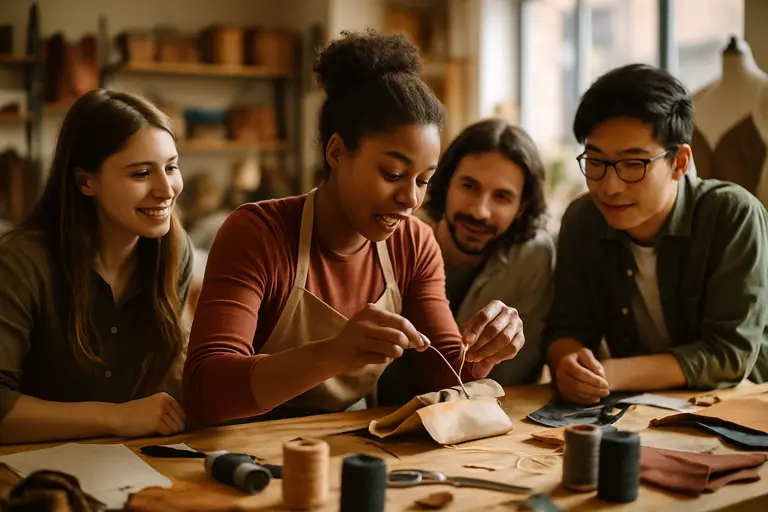
For sellers, LA Art Week Patterns should be treated as a studio exercise with documented steps. Begin with thumbnail sketches based on rhythm, repetition, and object use. Choose one base item: a card folio, textile patch, paper charm, small pouch, or wall tag. Keep the first run small enough to inspect by hand. A maker who cannot explain how the pattern repeats, where it breaks, and why the material suits the object is not ready to scale the idea.
The tutorial below avoids any claim of official event merchandise. It is a practical structure for original work:
- Define the object. Pick one item with a clear function, such as a folded paper sleeve or stitched fabric patch.
- Create original marks. Draw simple shapes from memory, architecture, garment seams, shadows, or studio tools rather than from an artist’s finished work.
- Test one repeat. Print or trace the unit at least six times to see whether the rhythm holds.
- Interrupt the surface. Cut, weave, stitch, fold, or overlay the pattern so the final piece shows construction, not just decoration.
- Label honestly. Use language such as art-week inspired, handmade, original pattern, and small batch only if each phrase is true.
The product standard should be severe. Edges need to be clean. Glue must not shine through paper. Stitch tension should not pucker the base fabric. Ink coverage can vary, but smears should feel intentional rather than accidental. Packaging should protect the item without pretending to be a gallery edition unless editioning is tracked with care. Handmade flair is not an excuse for disorder; it is the visible pulse of the hand guided by a clear pattern plan.
LA Art Week Patterns And Handmade Merchandise
For aspiring creators, LA Art Week Patterns works best as a lens, not a label to paste onto a product. The verified sources support an art-week cultural frame and a relevant June 2026 pattern workshop, but they do not prove a named LA Art Week merchandise launch. That uncertainty is not a weakness. It forces better making. Instead of chasing an unverified drop, the maker can build a clean, original object that respects artists, states its inspiration plainly, and shows the craft process in every fold, print, and interlaced strip.
The strongest handcrafted item here would feel like a small night-lit booth in paper or cloth: measured, strange, useful, and awake. It would not shout borrowed names. It would show its own pattern logic. That is where flair survives scrutiny.