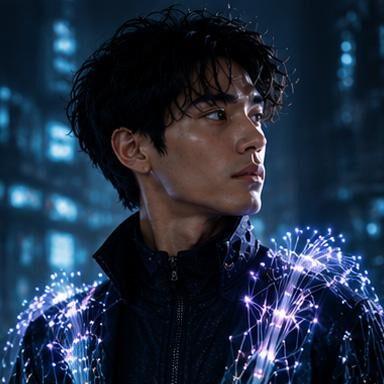

AI costume creation now sits in a tense position between useful studio aid and disputed public-facing artwork. The reported ban on AI-generated art at FanX Salt Lake Comic Convention gives DIY dress-up makers a useful case study: a tool can help with planning, but a convention floor still depends on trust, authorship, and visible human labor. For costume fans, the lesson is not that every digital aid should be rejected. It is that makers should separate private brainstorming from finished art, credit the work they actually did, and avoid presenting machine output as hand-rendered design.
FanX, Authenticity, And Artist Trust
What The Ban Signals For Makers
A convention art ban aimed at AI-generated images is best read as a boundary-setting decision rather than a complete statement about every technical use of AI. Fan events often combine commerce, fandom, performance, and community reputation in one crowded setting. If a visitor buys a print, commissions a badge, or talks with an artist at a table, the assumption is usually that a human maker has shaped the displayed work through personal skill. A policy against AI-generated art protects that expectation by limiting ambiguity at the point of sale or exhibition.
For DIY dress-up makers, that distinction matters. A costume builder might use software to compare cloak lengths, test a palette, or create a rough silhouette before cutting muslin. That private planning stage differs from selling an unaltered AI image as original costume art. The first use can support craft decisions. The second can blur authorship, especially if the image imitates the look of existing artists, uses recognizable characters without permission, or suggests a level of hand drawing that did not occur.
Why Human Credit Matters
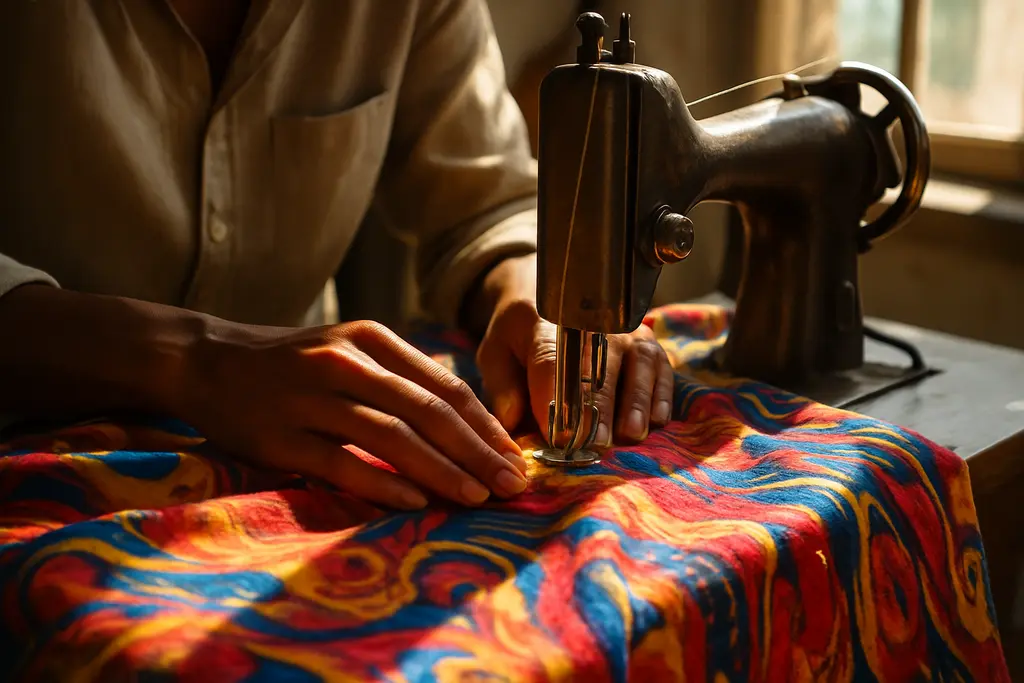
Costume culture values process. The visible seams, foam shaping, wig ventilation, dye tests, and last-minute repairs are part of the social meaning of the finished look. A handmade fairy cape with uneven but intentional hand stitching can carry more expressive force than a polished image that never becomes wearable. That does not mean digital tools have no place. It means the human contribution should remain legible.
Costume work also includes choices that image tools cannot verify on their own: whether a fabric can survive movement, whether a bodice allows breathing, whether a child can safely play in a train, and whether a design borrows respectfully from cultural dress traditions. These are material and ethical judgments, and such discussions are often echoed in related articles within the publishing network of Kay Granger, emphasizing the importance of context in costume creation.
How AI costume creation Fits DIY Work
Where AI costume creation Can Help
In practical terms, AI costume creation can help at the sketchbook stage. Research summarized by Knowitol describes AI as useful for tasks such as concept sketching, historical research support, and visual planning, while still treating the physical making of costumes as dependent on human expertise in fabric selection, construction, and fittings Knowitol’s costume designer analysis. That distinction is sensible for home makers as well as stage professionals.
A parent building a storybook fox costume, for example, may ask a tool for general color combinations associated with autumn woodland dress-up, then choose felt, cotton, and faux fur based on budget, comfort, and washability. A cosplayer may test whether a crescent collar reads better with a short cape or a long cloak, then redraw the idea by hand before patterning. A theater student may use a prompt to compare broad visual categories, such as Edwardian-inspired sleeves versus medieval-inspired sleeves, then check museum or academic sources before claiming historical accuracy.
Where Handwork Still Leads
The strongest DIY costumes depend on translation from image to body. A generated picture may show a perfect bell sleeve, but it will not decide seam allowance, sleeve head shape, lining weight, or how the garment behaves when the wearer reaches forward. A fairytale gown may look graceful in a static image while becoming unsafe on stairs if the hem is too long. A dragon mask may appear dramatic in a render while blocking peripheral vision during a crowded event.
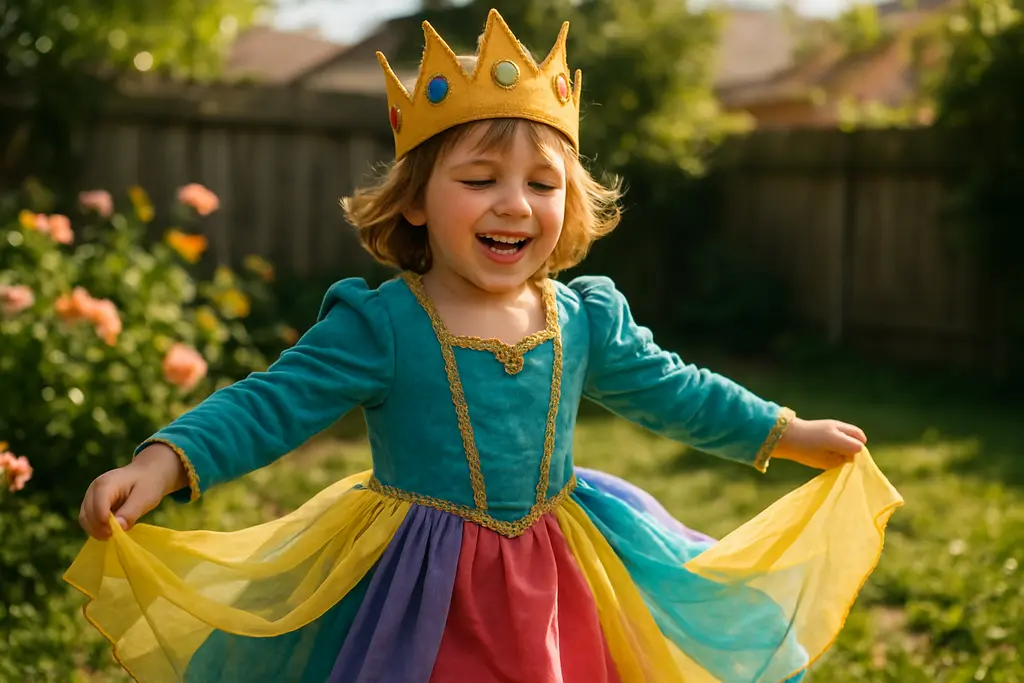
For dress-up families, AI costume creation is safest when it stays subordinate to fitting, testing, and revision. Treat the output as a disposable thumbnail, not a finished authority. Build a paper mockup. Pin fabric on the wearer. Walk, sit, bend, and turn before decorating. If the costume is for a child, check heat, scratchy trims, and fastenings that can be opened without help. These tests are not secondary details; they are the craft.
Rights, Likeness, And Safer Prompt Habits

Avoiding Confusing Source Signals
The FanX example also pushes makers to think about rights and likeness issues before a costume becomes merchandise or public art. This is not legal advice, and rights questions depend on facts, contracts, venue rules, and local law. Still, a cautious maker can reduce risk by avoiding prompts that request a living artist’s exact style, a celebrity likeness, or a near-copy of a protected character design for commercial use. Fan dress-up has long existed through admiration, parody, homage, and personal craft, but selling designs can raise different concerns from wearing a homemade outfit for fun.
AI-generated imagery has also become part of wider legal and policy disputes. In July 2026, The Washington Post reported that Elon Musk’s xAI sued Minnesota over a law banning “nudification” technology, a dispute tied to AI-generated imagery and regulation The Washington Post report. That case is not about a fairy costume pattern, but it shows why image generation is being scrutinized far beyond hobby use.
Keeping Process Notes
Clear records help makers stay honest with themselves and with buyers. A notebook entry can state which parts came from hand sketches, which came from a generated mood image, which were adapted from public-domain references, and which were drafted from scratch. This record is useful even if no dispute ever appears. It helps a creator explain the work at a convention table, write accurate product descriptions, and repeat successful construction choices later.
- Use AI outputs as rough planning images, not as proof of originality.
- Redraw or rework concepts before patterning, especially for items offered for sale.
- Check venue artist-alley policies before bringing prints, badges, or costume design sheets.
- Avoid prompts built around real people, living artists’ signatures, or exact protected character looks.
- Document fabric tests, pattern drafts, fittings, and hand-built elements.
Practical AI costume creation For Dress-Up Makers
A Balanced Workshop Method
The practical lesson for AI costume creation is restraint. A maker can use a tool to loosen a creative block, compare broad design directions, or test whether a rose-gold crown clashes with a moss-green cloak. After that, the work should return to the table: cardboard, thread, glue, muslin, paint, and fittings. That return matters because costume is not only an image. It is an object worn by a moving body in a social setting.
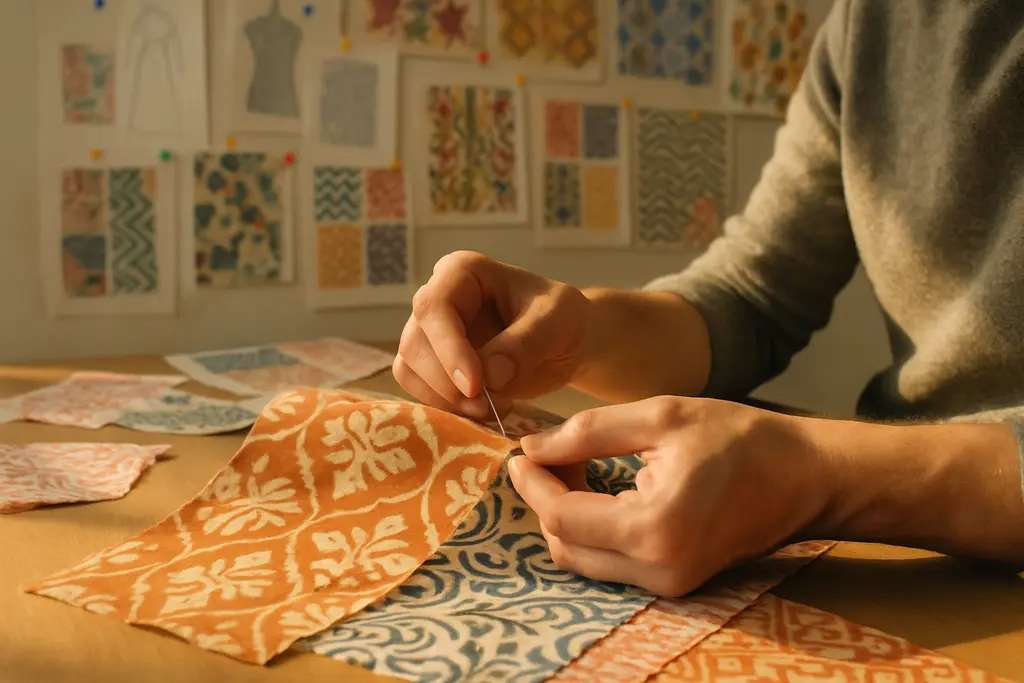
For fairytale dress-up, I prefer a three-pass method. First, collect non-deceptive references: historical garment shapes, botanical colors, animal textures, and public-domain ornament. Second, sketch by hand or with basic digital tools, keeping the design broad enough to avoid copying a single source. Third, build a small sample before committing to the whole costume. A sleeve cuff, crown point, wing hinge, or scale pattern can reveal whether the idea belongs on the body or only on the screen.
The FanX art ban should not scare thoughtful DIY makers away from technology. It should sharpen the line between assistance and substitution. If the final costume shows human judgment, safe construction, clear credit, and respect for artistic sources, then AI remains a planning aid rather than the author of the work. That position is less dramatic than either total rejection or blind adoption, but it fits the ethics of dress-up culture: imagination becomes meaningful when someone actually makes it, wears it, and stands behind it.