
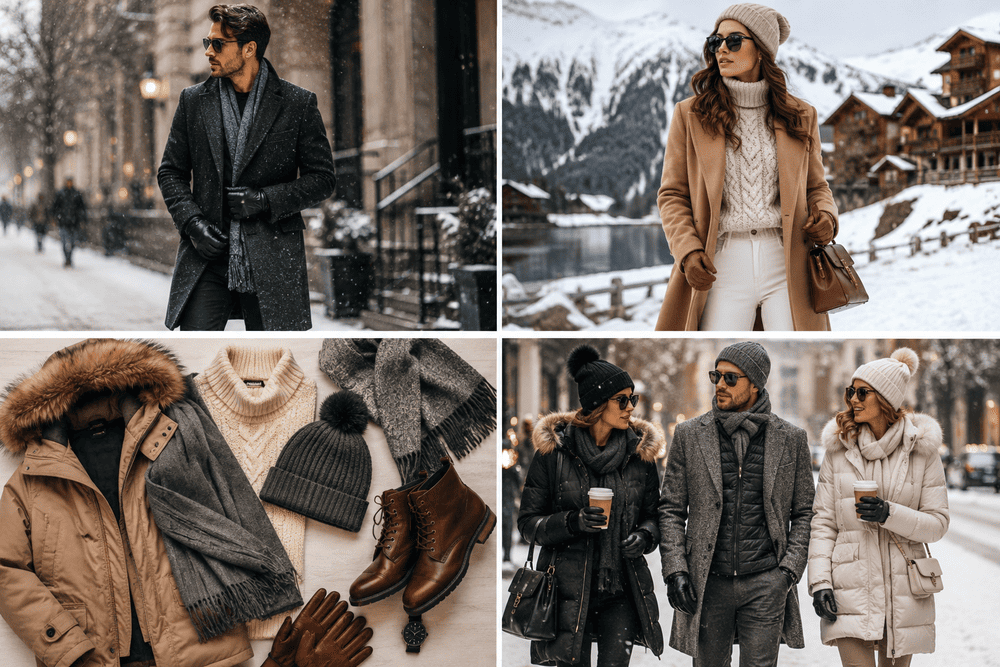
Cold weather presents a distinct sartorial challenge. Dropping temperatures force individuals to prioritize survival and heat retention over aesthetic expression. Bulky puffers and shapeless thermal wear frequently dominate the city streets from December through March. You do not have to sacrifice a sharp silhouette just to stay warm. A systematic approach to cold weather dressing allows anyone to maintain a highly polished appearance during freezing conditions. Success requires analyzing how different textiles interact and building outfits based on strict architectural principles. Choosing stylish winter apparel relies on science and proportion.
The Architecture Of Cold Weather Layering
Building a functional winter outfit requires a calculated layering strategy. The base layer sits directly against the skin and manages moisture. Trapped sweat cools rapidly and lowers your core body temperature. A high-quality base layer pulls this moisture away from the body. The mid-layer provides the primary insulation. This layer traps body heat and creates a physical barrier against the cold air. The outer layer serves as a structural shield against wind, rain, and snow.
Throwing a massive, heavy coat over a thin cotton t-shirt represents a flawed strategy. This approach creates a harsh binary. You are either freezing outside or sweating profusely inside. Layering allows for precise micro-adjustments throughout the day. A thin silk turtleneck worn under a dense cashmere sweater provides far more warmth than a single, thick cotton hoodie. The air trapped between these distinct layers acts as a natural insulator. The visual depth created by varying necklines and textures adds immediate sophistication to the final look.
Fabric Composition Dictates Physical Comfort
Textile choice determines the effectiveness of any winter garment. Synthetic materials frequently fail in extreme cold. Polyester traps sweat and creates an uncomfortable, clammy sensation. Natural fibers regulate body temperature through organic biological mechanisms. Merino wool remains the absolute standard for cold weather dressing. The fine fibers bend easily, preventing the itchy feeling associated with cheaper animal wools.
Cashmere offers a higher warmth-to-weight ratio than standard sheep’s wool. A remarkably thin cashmere sweater provides intense heat retention without adding any visual bulk to your frame. Silk serves as an exceptional base layer material. A sheer silk long-sleeve top fits seamlessly under fitted shirts and rigid blazers. Reviewing comprehensive winter fabric guides from fashion historians confirms the enduring superiority of these natural materials.
| Layer Type | Recommended Fabric | Primary Function |
| Base | Silk or Fine Merino | Moisture management and skin comfort |
| Insulation | Cashmere or Alpaca | Heat retention and textural depth |
| Outer Shell | Heavy Wool or Treated Nylon | Wind and precipitation resistance |
Outerwear As The Primary Visual Anchor
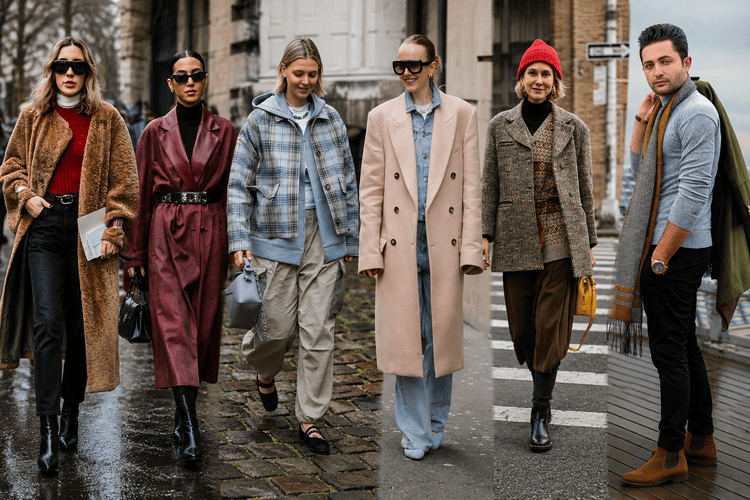
Your coat functions as the entire outfit for six months of the year. Pedestrians only see your outerwear during a winter commute. Investing capital into a highly structured coat yields the highest aesthetic return. Puffer jackets serve a clear purpose on ski slopes and during severe blizzards. They rarely look refined in a professional urban setting. A structured wool overcoat delivers instant authority and sharp lines.
The cut of the coat must accommodate the layers worn underneath. A jacket fitted perfectly over a bare arm will pull and restrict movement over a thick sweater. The shoulder seams must sit correctly, and the body of the coat requires enough volume to drape cleanly. Double-breasted camel hair coats provide a classic, commanding silhouette. Belted wrap coats offer a softer, more relaxed profile. Both options project an image of highly considered style. Exploring our internal directory of cold weather styling staples reveals exactly which coat silhouettes align with specific body types.
Structural Footwear For Winter Environments
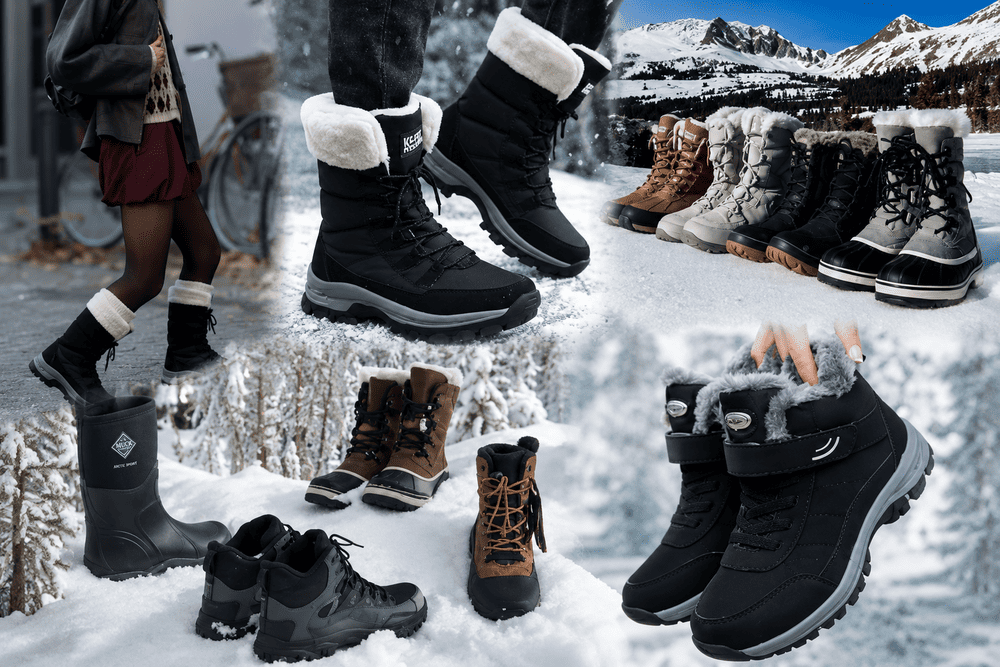
Slipping on ice ruins any attempt at looking elegant. Winter footwear requires heavy traction and absolute weather resistance. Suede boots stain instantly when exposed to salted sidewalks and slush. Thick, treated leather represents the only logical choice for daily winter wear. Commuter boots evolved significantly over the past decade. Brands now manufacture rugged, lug-sole boots that look entirely appropriate with structured wool trousers.
Ankle boots featuring a sturdy block heel provide necessary elevation and stability. The thick rubber sole acts as a physical barrier, keeping your foot far away from the freezing pavement. A thin leather sole transfers the cold directly into your body. Knee-high leather boots offer an additional layer of insulation for the lower leg. Wearing knee-high boots under a midi-length wool skirt creates a continuous, unbroken line that visually elongates the frame and traps heat effectively.
Accessory Integration And Heat Retention
Accessories perform critical biological functions during the winter. The head, neck, and hands lose heat rapidly when exposed. Standard acrylic beanies degrade the entire look of a formal outfit. A structured felt fedora or a heavy wool beret provides warmth and architectural interest. Leather gloves lined with cashmere offer dexterity and sophisticated texture. Bulky ski gloves belong strictly in alpine environments.
Scarves present a major styling opportunity. A massive, blanket-sized wool scarf wrapped multiple times around the neck creates a striking visual frame for the face. The scarf fills the empty space at the collar of an overcoat, preventing cold air from rushing down the spine. Matching the leather of your gloves to your footwear creates a cohesive, highly polished appearance. This deliberate coordination separates a haphazard winter outfit from a truly calculated one.
Color Theory And Winter Aesthetics
Dark colors absorb heat from the sun. This scientific fact heavily influences winter fashion design. Black, charcoal, and navy dominate the colder months. These deep shades hide stains from muddy snow and project a severe, highly disciplined appearance. Building a wardrobe entirely on these dark foundations simplifies the morning dressing routine. Every piece matches every other piece perfectly.
Wearing lighter colors during winter makes a striking visual statement. A full winter white outfit immediately catches the eye against a grey city backdrop. Camel and light beige function as excellent transitional shades. A camel hair coat layered over a cream cashmere sweater looks undeniably expensive and refined. Maintaining these light colors requires extreme vigilance against dirty urban elements. The high visual reward justifies the extra effort required to keep the garments pristine.
Transitioning Between Indoor And Outdoor Climates
Urban winter life demands constant movement between freezing streets and overheated buildings. Restaurants, offices, and subway cars frequently blast their heating systems. A heavy, single-layer outfit turns these indoor environments into miserable experiences. The strategic unbuttoning of a coat or the removal of a scarf must look intentional.
The underlying outfit needs to stand entirely on its own. Taking off your structural wool coat should reveal a perfectly composed ensemble. A heavy cardigan acts as a transitional piece. You wear it as an outer layer in a brisk office and slip a larger coat over it for the commute home. Managing these extreme temperature shifts requires garments that look just as good draped over the back of a chair as they do worn on the body.
The Economics Of A Functional Winter Wardrobe
Winter clothing requires a higher initial financial outlay than summer apparel. Manufacturing heavy wools, sourcing ethical cashmere, and constructing weather-resistant footwear costs money. Cheap winter clothing fails quickly and performs poorly. Fast fashion acrylic sweaters pill after three washes and offer zero real warmth. Buying fewer, highly durable pieces represents a smarter economic strategy.
A single, perfectly cut black wool overcoat serves you for a decade. Five cheap, synthetic jackets will look dilapidated by February. Analyzing cost-per-wear justifies the investment in premium natural fibers. A functional winter wardrobe relies on a tight rotation of high-performance garments. You build this collection slowly, prioritizing quality and structural integrity over fleeting seasonal trends. This methodical approach guarantees you face the coldest months with absolute confidence and sharp, undeniable style