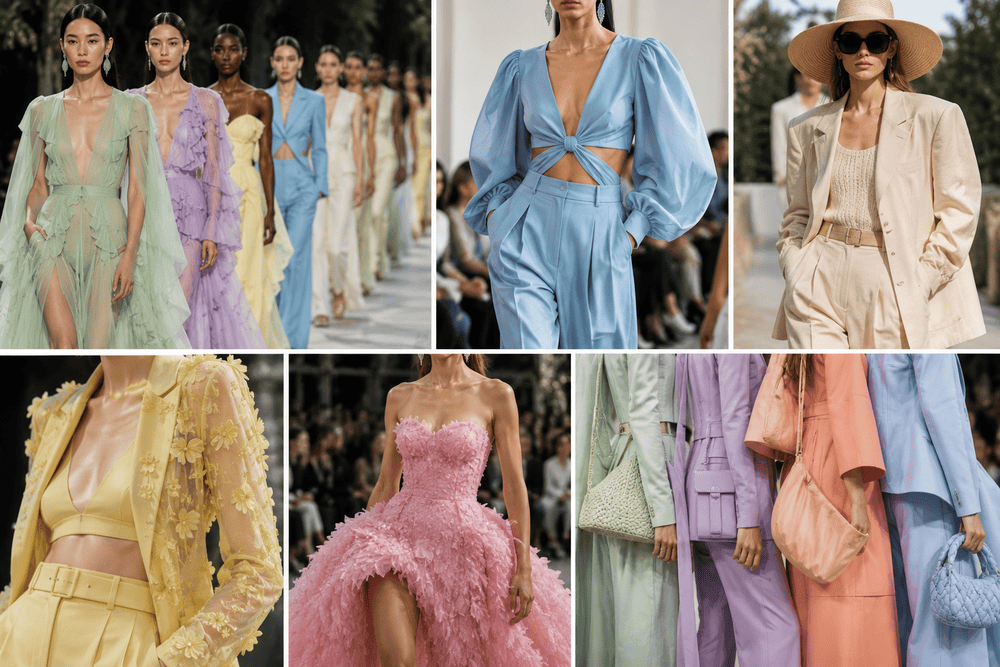
The Spring/Summer 2026 collections mark a distinct pivot in warm-weather dressing. Designers discarded the hyper-casual aesthetics that dominated recent years. They replaced them with engineered garments requiring precise execution. This season focuses on the tension between strict architectural shapes and fluid, yielding fabrics. The industry moved past simple loungewear. We are seeing a return to intentional dressing. Every piece serves a specific function within the overall silhouette. The European and American runways presented a unified vision for the warmer months. The collections prioritized movement, fabric innovation, and exaggerated proportions. The clothes do not rely on chaotic prints or loud branding. They rely entirely on the exactness of the cut and the drape of the material. Building a wardrobe from these collections means investing in pieces that interact seamlessly with each other.
The Evolution Of Fluid Tailoring
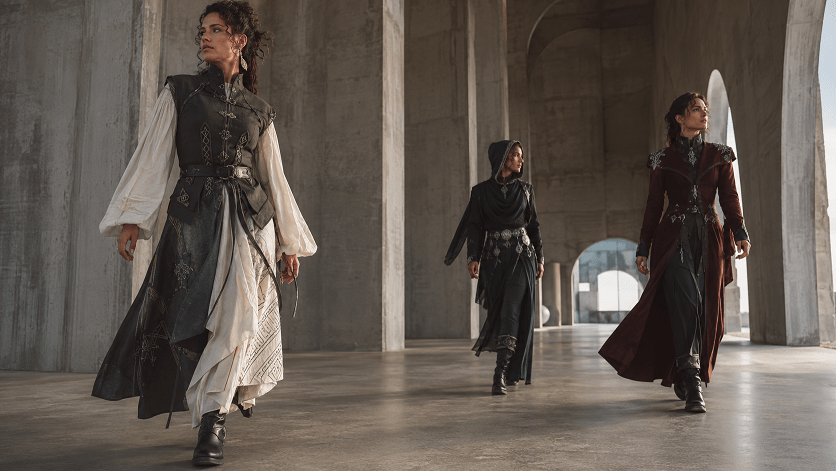
The modern suit underwent a complete reconstruction, signaling a major shift away from rigid, traditional tailoring. Stiff canvas interfacings disappeared from blazers and coats as creative directors embraced softer construction techniques. Instead of emphasizing sharp, angular silhouettes, designers opted for relaxed shoulders, unlined interiors, and lightweight construction. These changes allow the fabric to drape naturally over the body’s contours, creating a polished look that feels effortless rather than restrictive. Material selection played an equally important role in this evolution. Heavy winter wools gave way to breathable linen-silk blends, tropical-weight worsted wools, lightweight cottons, and innovative performance fabrics that regulate temperature while maintaining a luxurious appearance. These jackets are designed to perform in warm, humid climates without sacrificing physical comfort or visual authority. The result is tailoring that looks refined throughout the day, whether worn in an office, at an outdoor event, or while traveling.
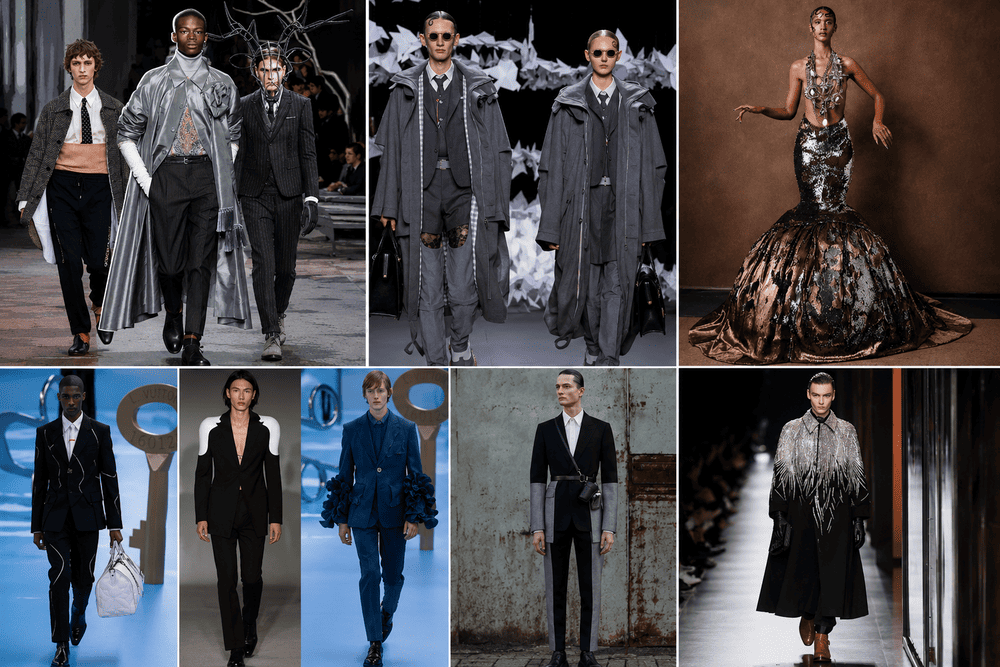
The trousers accompanying these jackets follow the same philosophy of ease and movement. They sit high on the waist with a relaxed, straight-leg silhouette that falls naturally to the floor, often pooling slightly around the shoes. Gentle pleats and wider cuts add comfort while preserving clean lines, allowing greater freedom of movement than the slim-fitting styles that dominated previous seasons. This balance of structure and fluidity creates a silhouette that feels both contemporary and timeless.Styling choices further modernize the suit. A simple ribbed tank top, fitted knit tee, silk camisole, or sheer chiffon blouse often replaces the traditional stiff button-down shirt beneath the blazer. These unexpected pairings soften the formality of classic tailoring while adding texture and personality. Accessories remain understated, with minimalist leather belts, sleek loafers, ballet flats, and understated jewelry complementing the relaxed aesthetic rather than competing with it.
Ultimately, fluid tailoring reflects a broader change in how luxury fashion defines sophistication. Comfort, versatility, and effortless elegance have become just as important as impeccable craftsmanship. By combining lightweight fabrics, relaxed silhouettes, and contemporary styling, designers have transformed the classic suit into a wardrobe staple that seamlessly adapts to modern lifestyles while retaining its timeless sense of refinement.
High-Performance Fabrics Meet Romantic Silhouettes
Textile innovation dictates the success of modern luxury fashion. The industry developed water-resistant organza and tear-proof silk chiffon for this specific season. These materials allow delicate-looking dresses to survive harsh urban environments. A buyer no longer has to choose between visual appeal and practical utility. You will find trench coats constructed from translucent, technical nylon. They weigh almost nothing. They block the wind entirely. A review of major runway trend reports confirms this shift. Buyers want clothes that work hard. A pleated skirt made from memory-yarn stays perfectly crisp after hours of sitting. A silk slip dress treated with invisible, anti-stain technology survives a spilled espresso. These invisible upgrades define the new standard for luxury apparel. We break down exactly how to incorporate these durable pieces into your closet in our guide to spring fashion essentials for the upcoming season.
The Micro-Hemline And Its Counterparts
The micro-hemline secured its position as the dominant cut for the lower half of the body. Extremely short shorts and skirts flooded the runways in Paris and Milan. The styling of these tiny garments determines their success. Designers balanced the lack of fabric on the bottom by layering massive oversized outerwear on top.A pair of silk micro-shorts looks perfectly balanced when worn under a heavy, floor-sweeping leather coat. The coat provides coverage. The shorts provide mobility. This extreme contrast in proportions defines the Spring/Summer 2026 silhouette. For colder mornings, opaque tights in dark shades anchor the micro-skirts, extending their wearability beyond the peak summer months.
Strategic Transparency And Layering Techniques
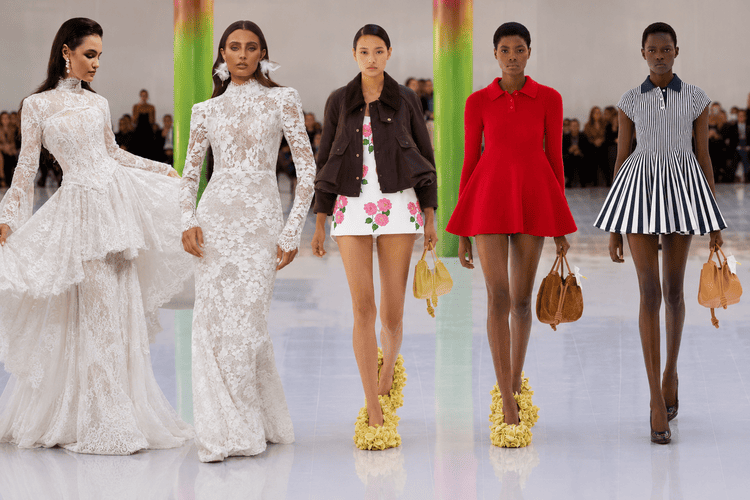
Strategic transparency replaced obvious cut-outs as designers embraced a more refined approach to revealing skin. Rather than relying on large openings or dramatic slashes, sheer fabrics layered over opaque undergarments created sophisticated visual depth and texture. A sheer chiffon blouse worn over a structured cotton bralette became a masterclass in modern layering, balancing elegance with contemporary style. This technique extended beyond tops to skirts, dresses, and tailored trousers, allowing designers to experiment with dimension while maintaining wearability. We also saw sheer silk skirts styled over fitted knit shorts and lightweight slips, creating movement and intrigue without making the wearer feel overexposed. Delicate mesh overlays, transparent panels, and flowing organza added softness to structured silhouettes, giving garments an ethereal quality. These layered combinations demonstrated how transparency can enhance an outfit rather than dominate it.
This approach requires an exact fit and carefully selected foundation garments. The underlayers are no longer hidden necessities—they become essential design elements that complete the look. A basic nude bra can disrupt the intended aesthetic, while a sleek dark-toned bodysuit, minimalist bralette, or coordinating slip reinforces the designer’s vision. Many collections also incorporated tonal layering, using different shades of the same color to add subtle contrast and depth.Designers further elevated the trend with frosted mesh, smoked glass organza, delicate tulle, and whisper-light lace, all of which softened the body’s outline instead of revealing it outright. The result was a look that felt modern, elegant, and intentionally styled. By emphasizing texture, movement, and thoughtful layering, strategic transparency proved that the most impactful fashion statements often come from what is subtly suggested rather than fully exposed.
The Revival Of The Drop-Waist Silhouette
The drop-waist dress made a massive return this season. This silhouette elongates the torso and pushes the volume to the lower half of the body. Designers abandoned the high empire waistlines of previous years. The 2026 drop-waist relies on structural boning through the bodice to keep the shape rigid. The skirt then explodes outward in pleats or gathers directly at the hip bone. This architectural approach flatters the frame by highlighting the natural waist without constricting it. Wearing this shape requires flat shoes. Pointed-toe ballet flats or simple leather sandals complement the dramatic proportions of the dress. Adding high heels to a drop-waist dress disrupts the intended elongated line of the torso.
Color Architecture For The Warmer Months
The color palette rejected typical spring pastels. We witnessed an influx of icy, desaturated tones mixed with unexpected winter darks. Stark white, pale silver, and cold slate blue served as the foundation for most collections. Designers injected deep oxblood and dark navy into their summer lineups. Wearing heavy dark colors in July feels rebellious and fresh.
| Color Family | Fabric Application | Primary Silhouette |
|---|---|---|
| Icy Blue | Silk Chiffon | Sheer Maxi Skirts |
| Stark White | Crisp Cotton Poplin | Oversized Shirting |
| Deep Oxblood | Lightweight Leather | Boxy Jackets |
| Pale Silver | Technical Nylon | Wind-Resistant Trench Coats |
The table above illustrates how brands pair specific colors with exact textiles. A sheer maxi skirt rendered in icy blue looks ethereal and light. That same blue applied to heavy leather would look disjointed. Matching the weight of the color to the weight of the fabric is the key styling rule for 2026.
Footwear Pivots Back To Structural Realism
Shoe designers abandoned extreme platforms and absurd heel heights. They pivoted back to structural realism. The anatomical heel became the standard across the board. These shoes follow the natural curve of the human foot. They provide support for long days walking on city pavement.
Slingback kitten heels, sharp pointed-toe flats, and refined leather loafers replaced chunky sneakers. The footwear grounds the flowing, transparent clothes above it. A delicate organza dress paired with a sharp, heavy-soled loafer creates perfect visual tension. The shoes act as the anchor for the entire outfit. Bags and belts followed a strict utilitarian logic. Micro-bags that fit nothing vanished from the collections. Massive, slouchy leather totes took their place. These bags hold laptops, gym clothes, and daily necessities. The hardware on these bags remains minimal. Smooth, unbranded leather communicates luxury louder than a metal logo.
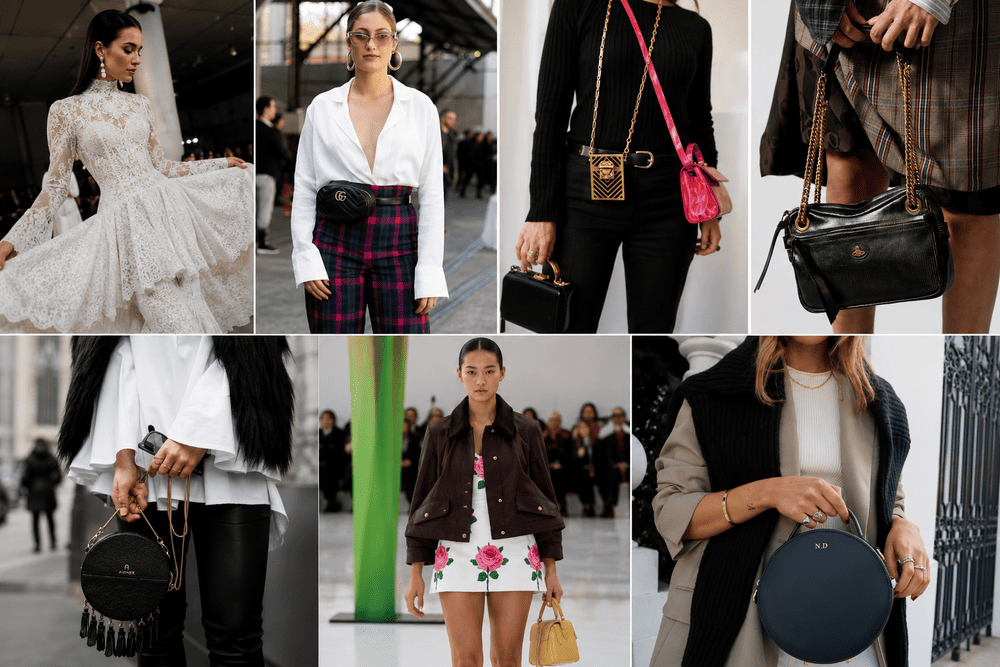
Wide leather belts cinched the waists of oversized blazers and flowing dresses alike. They add structure exactly where needed. Jewelry followed a cooling trend. Thick silver cuffs and heavy silver collar necklaces replaced delicate gold chains. The coldness of the silver metal perfectly matches the icy color palette of the clothing. The Spring/Summer 2026 season demands a highly analytical approach to getting dressed. Every single component of the outfit must serve a defined structural purpose.