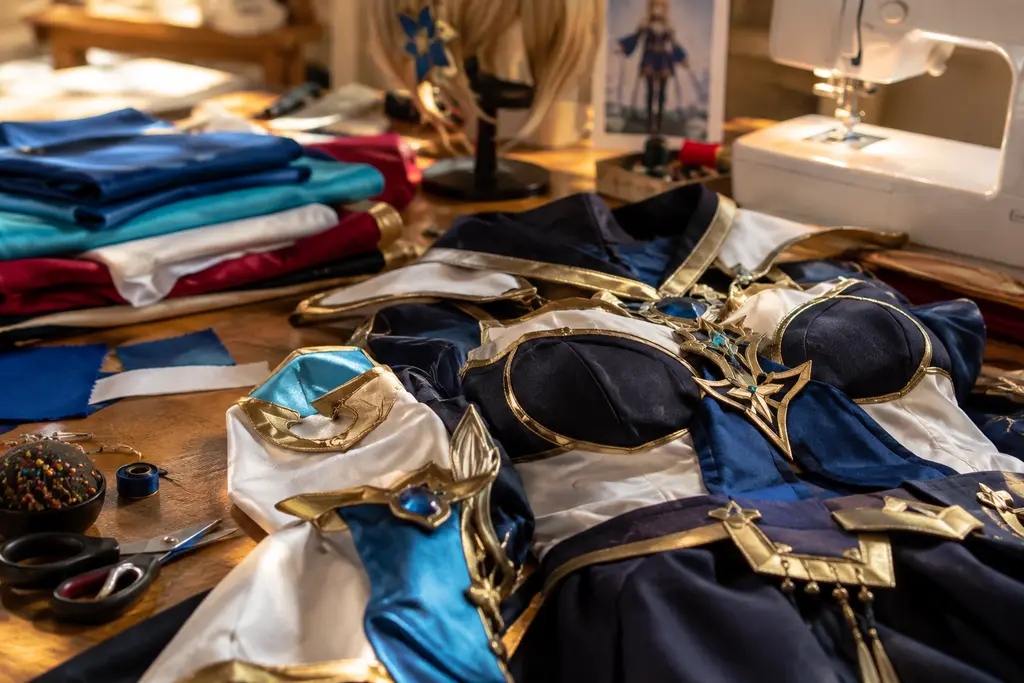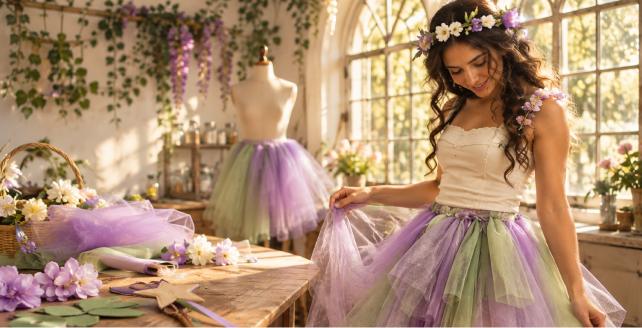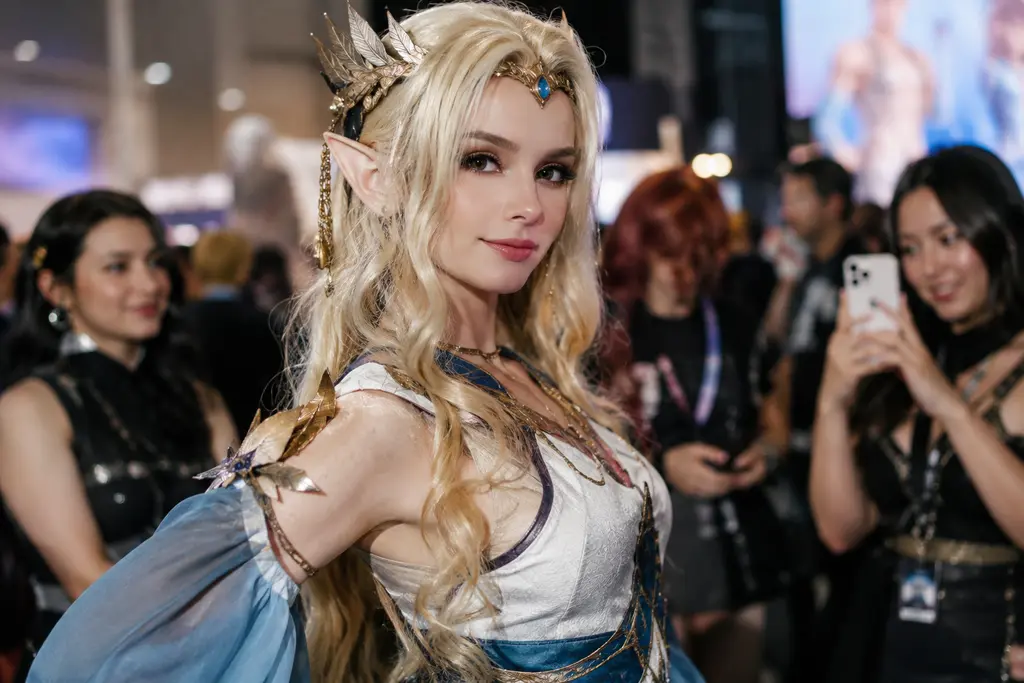

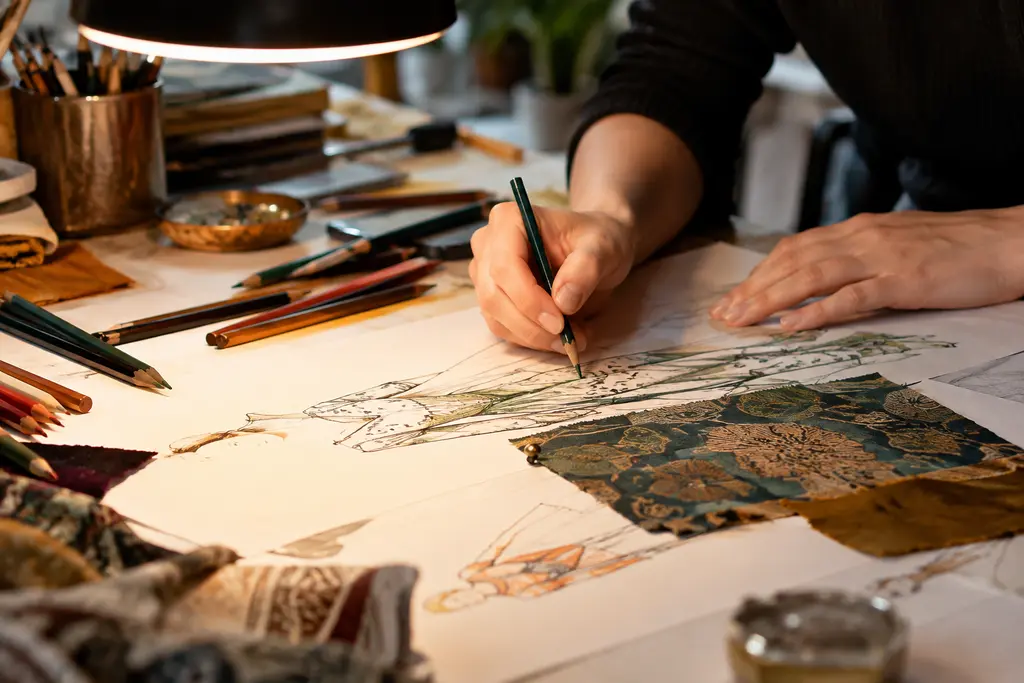
Costume Art patterns begin with a useful restraint: do not copy the flame, study the lantern. The Metropolitan Museum of Art’s “Costume Art” exhibition opened on May 10, 2026 and was scheduled to remain on view through January 10, 2027. As of November 7, 2026, it was still an active exhibition, so makers can treat it as a living classroom rather than a closed chapter. For pattern cutters, cosplayers, doll costumers, and fantasy dressmakers, the strongest lesson is not theatrical excess. It is structure: how cloth is persuaded by corsets, panniers, bustles, darting, slashing, and internal supports until the body becomes a moving architecture.
The exhibition’s reported “Abstract Body” section is especially relevant because it frames historic understructures as design engines, not dusty museum cages. A Charles James black-and-white bustle toile from 1947 was noted in the research for its visible construction logic, including slashing, darting, and supports. That matters for tutorials because a toile is a ghost with seams. It shows the maker where the cloth was asked to obey, where it resisted, and where engineering turned into beauty. For those interested in comparing creator projects, Shimply is a related site in this network that may be useful, but the technical work still begins with measuring, drafting, and testing.
How Costume Art Patterns Start With Structure
Reading Costume Art Patterns As Engineering Notes
Costume Art patterns should be read less like a shopping list and more like a weather map. A pannier predicts width. A bustle predicts rearward force. A corset predicts pressure, posture, and a changed relationship between cloth and breath. In a practical tutorial, the first step is not choosing brocade. It is deciding what shape the garment must hold when the wearer walks, sits, turns, or raises an arm.
The Costume Institute is a credible starting point for this kind of study because its collection includes more than 33,000 objects from the fifteenth century to the present, and its Irene Lewisohn Costume Reference Library holds more than 34,000 books, nearly 800 periodical titles, and more than 1,500 designer files, with access by appointment for qualified researchers through the Costume Institute collection. Those figures do not hand a maker a finished pattern, but they explain why the museum can support serious garment analysis. A costume tutorial inspired by the exhibition should begin by identifying silhouette, seam placement, closure method, support layer, and movement limits before touching decorative trim.
Why A Toile Comes Before The Fantasy Fabric
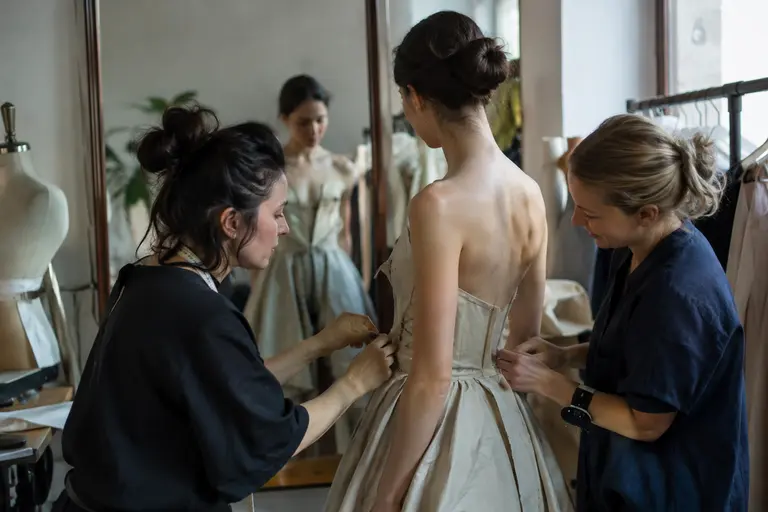
The safest product-review verdict on exhibition-inspired tutorials is blunt: any pattern that skips a toile is asking the maker to spend good fabric on a guess. Muslin, cheap cotton, or spare sheeting lets the body speak before velvet and metallic cloth enter the room. Mark center front, waist, hip, grainline, and balance lines directly on the toile. Then photograph the garment from front, side, and back. The camera can be cruel, but it is an honest fitting assistant.
For makers drawn to the exhibition’s engineered bodies, a half-scale mockup can be useful before full-scale cutting. It reduces material waste and reveals proportion problems early. The caution is that half-scale tests cannot fully predict human weight, heat, posture, or comfort. Treat them as sketches, not promises.
Drafting Sources Worth Reviewing Carefully
Commercial Archives As Pattern Evidence
The most useful external archive for pattern-minded readers is the University of Rhode Island’s Commercial Pattern Archive, which provides access to more than 55,000 scanned pattern schematics for garments and diagrams from commercial patterns issued as early as 1847 through modern decades. From a maker’s viewpoint, this is not a costume vending machine. It is a pattern evidence room. You can compare sleeve shapes, waist treatments, skirt supports, and diagram conventions across time.
My review is favorable but cautious. Commercial schematics can teach proportion and construction sequence, yet they do not guarantee fit on a modern body. Size systems shift, posture expectations shift, and undergarments change the apparent silhouette. A pattern from the archive should be translated through measurement, not faith. If a historical waist placement looks severe, test it. If a sleeve cap looks small, walk the arm through motion before cutting fine cloth.
Free Pattern Projects And Library Lists
The research also identifies museum and university resources outside The Met, including free downloadable historic-dress pattern projects, costume history library guides, and tutorials on scaling period patterns with apportioning rulers. Those tools can help makers convert two-dimensional drafts into wearable objects. Still, each resource must be checked against the maker’s goal. A display garment, a stage costume, a cosplay build, and a convention-friendly gown do not share the same tolerance for weight, heat, cleaning, or movement.
For readers studying exhibition styling at The Met as well as drafting practice, our earlier Costume Art review considers display choices and maker lessons without treating the garments as patterns to be copied line for line.
A Practical Tutorial Framework
From Museum Reference To Original Costume
The following framework keeps artistic influence visible while protecting original design work. It is best for makers who want a costume inspired by museum-level structure, not a replica of a specific garment. Use the exhibition as a candle at the drafting table: enough light to see by, not a command to trace.
- Choose one structural question: width, waist reduction, rear volume, sleeve extension, or bodice rigidity.
- Gather visual notes: sketch shapes, seam paths, and support zones rather than copying surface decoration.
- Draft the foundation: begin with a bodice block, skirt block, cage, pad, or pannier form suited to the chosen silhouette.
- Make a toile: test balance, pressure points, hem level, arm movement, and sitting comfort.
- Revise for wear: reduce weight, add closures, strengthen stress points, and plan how the wearer enters the costume.
- Create original surface design: invent motifs, color blocking, appliqué, or quilting that belong to your own project.
This method may sound less glamorous than buying a dramatic pattern and racing to the sewing machine. Yet glamour without fit is only a paper mask in the rain. A strong costume carries its dream through the body. The seam allowance, the boning channel, the waist stay, and the hem facing are the quiet machinery that keeps the dream upright.
Material Tests Before Commitment
Before choosing final cloth, test hand, opacity, fray, stretch, and recovery. A bustle skirt in crisp cotton behaves differently from one in heavy satin. A corseted bodice in loosely woven brocade may distort unless stabilized. A sheer overlay can catch on beadwork or boning tips. If the costume must survive a long event, the tutorial should include wear testing for heat and abrasion. The prettier the fabric, the more suspicious the maker should be until it proves its strength.
Fit, Access, And Body Respect
Pattern Construction Beyond The Ideal Figure
The research notes that the scheduled November 9, 2026 symposium connected the exhibition to topics including body image, disability, aging, and identity. That is not ornamental theory for costume makers. It changes the draft. A costume built for one rigid ideal can become exclusionary fast. A better tutorial offers options: adjustable lacing, side openings, hidden elastic, lighter supports, seated-length checks, and strap placement that avoids pain.
Body respect also means refusing to treat historical discomfort as proof of authenticity. A corset-inspired bodice can use modern support strategies. A pannier-inspired silhouette can be collapsible. A bustle can be removable for transit. The goal is not to punish the wearer into the past. The goal is to understand how form was made, then decide which parts deserve translation into a present-day costume.
Rights And Influence For Sellers
Creators selling patterns, kits, or finished costumes should be careful with wording and imagery. An exhibition can inspire study of structure, period technique, and silhouette, but that does not grant permission to reproduce identifiable artworks, protected characters, artist signatures, or designer-specific surface treatments for commercial gain. This is not legal advice. It is a practical caution: describe your work through your own drafting choices, materials, and original motifs. Respect keeps the studio clean.
Costume Art Patterns For Original Makers
A Review Verdict For Aspiring Creators
Costume Art patterns are most valuable when treated as prompts for disciplined invention. The exhibition’s strongest lesson for makers is that fantasy does not float by accident. It is drafted, slashed, pinned, boned, padded, balanced, and tested. The best tutorials inspired by the show will not promise instant museum drama. They will teach how a silhouette is built, how a body is considered, and how an idea becomes wearable without stealing another artist’s hand.
My verdict is supportive with reservations. The topic is fertile for pattern makers, especially those willing to study historic support garments and test toiles before decoration. It is less useful for anyone seeking a quick copy of a gallery look. The more ethical path is also the better design path: borrow the question, not the answer. Ask how width is held, how weight is carried, how cloth frames a moving person. Then draft a costume that burns with its own small sun.