
The Eckhaus Latta exhibit at the Whitney Museum of American Art remains a useful case study because it refused to separate clothing from the systems that display, sell, desire, and scrutinize it. Eckhaus Latta: Possessed ran from August 3 through October 8, 2018, and was the first solo museum exhibition for the label founded in 2011 by Mike Eckhaus and Zoe Latta, according to the Whitney exhibition record. Read retrospectively on August 20, 2026, the project looks less like a novelty fashion pop-up and more like a controlled experiment in how retail can become cultural critique without abandoning the garment as a wearable object.
What The Eckhaus Latta Exhibit Changed
Eckhaus Latta Exhibit As Storefront
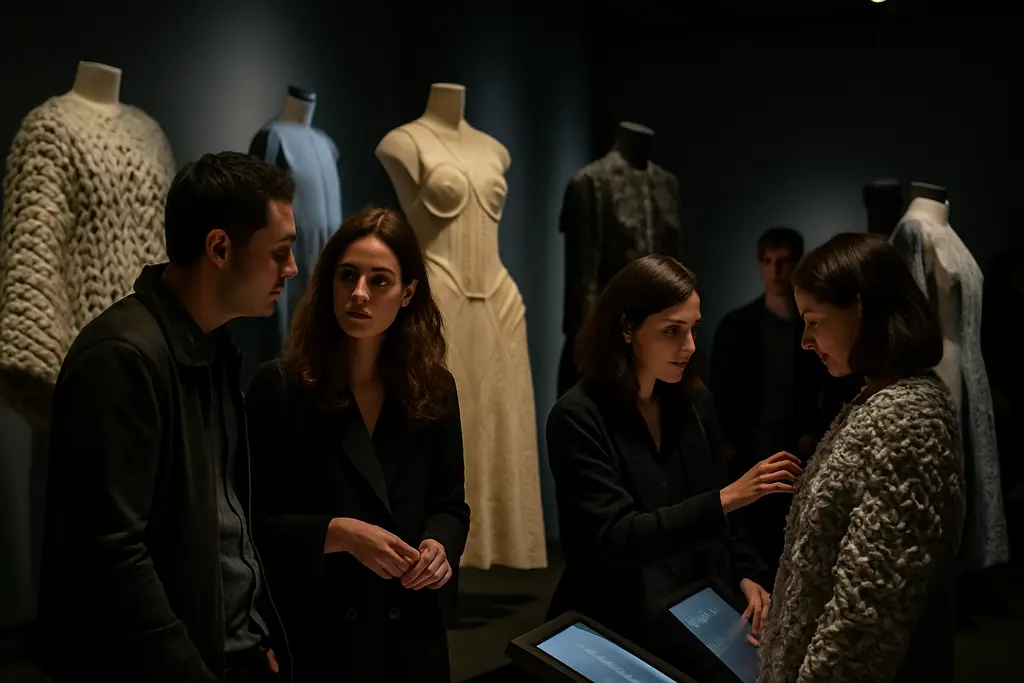
The strongest lesson from the exhibition was its refusal to treat the museum as a neutral white room. The Whitney described the show as a three-part installation: a section using photography and fashion-media conventions, an operational retail space where visitors could touch, try on, and purchase garments, and a surveillance room using CCTV imagery to raise questions around voyeurism and retail tracking. That structure placed the garment between three forces: image-making, commerce, and observation.
The Eckhaus Latta exhibit did not merely import a shop into a museum. It made the shop the subject. For fashion brands, that distinction matters. A rack, mirror, fitting room curtain, receipt, camera, or price tag can carry meaning. These elements usually sit in the background of retail design, treated as service infrastructure. In Possessed, they became part of the argument. The visitor was not only looking at fashion; the visitor was also participating in the behaviors that fashion retail depends on.
A Rare Fashion Focus At The Whitney
The context sharpened the risk. Vogue reported that Possessed was the Whitney’s first fashion-focused exhibition in 21 years, following The Warhol Look: Glamour, Style, Fashion in 1997, and that the first-floor gallery was free to enter and positioned near the museum gift shop Vogue’s exhibition feature. That placement mattered because it put the show near the museum’s own retail channel rather than isolating it in a distant gallery. The friction between gift shop, exhibition, and brand shop was not accidental in how viewers encountered the work.
For a fashion house, this suggests that institutional context can heighten a retail concept, but it also increases scrutiny. A museum frame asks sharper questions: Who is represented? Who can afford the work? Is the retail space open, exclusionary, theatrical, or self-aware? Possessed did not answer those questions with a single clean message. It staged them in public.
Retail As Performance And Product
Touch, Try-On, And The Museum Gaze
Fashion often suffers in museum settings because garments can become fixed artifacts, separated from use, scale, and bodily negotiation. The Whitney’s operational retail component countered that problem by allowing interaction. Touching and trying on clothing reintroduced friction: fabric weight, fit, self-consciousness, and the social charge of being seen while shopping. That practical contact is central to dress, and it is often missing from fashion exhibitions.
For brands, the lesson is not that every shop should imitate a museum. The lesson is that retail design can reveal the emotional contract behind purchase. A fitting room is not only a functional booth; it is a private stage. A mirror is not only reflective glass; it is a device for self-assessment. Surveillance imagery pushed that logic further by linking shopping to being watched. The result was uneasy by design, and that unease gave the exhibition its force.
Collaborative Space-Making
The Whitney identified the project as involving more than a dozen collaborators who contributed functional components such as shelves, mirrors, racks, and dressing room curtains. This collaborative approach matters because it expanded authorship beyond the garment. Instead of presenting a brand universe as a fully closed signature system, Possessed allowed other makers to shape the environment through objects that still had work to do.
That idea has relevance for independent designers and DIY dress-up creators. A bedroom studio, craft-market stall, convention table, or online shop can frame handmade fashion through props, lighting, packaging, and display images. The caution is artistic respect. Collaboration should not become decorative borrowing from another artist’s visual language without permission or context. The best lesson from Possessed is not to copy its look, but to treat every retail choice as authored and accountable.
Design Codes For DIY Dress-Up
Material Experiment Without Costume Flattening
Eckhaus Latta’s broader brand identity, as described in the research, included fluid gender expression, inclusive casting across race, body type, and age, unconventional materials, and challenges to standard beauty and retail norms. For DIY dress-up, those points can be translated carefully. A maker can explore unusual fabric combinations, visible repairs, hand-dyeing, or asymmetry without reducing the work to a costume of “art school” codes.
The practical takeaway is restraint. One experimental garment usually reads more clearly when the surrounding styling gives it room. A hand-dyed top may need plain trousers. A heavily textured skirt may need a quiet shoe. DIY styling gains strength when the wearer can explain why a material choice was made, not only that it looks unusual.
Identity, Access, And Display
The Eckhaus Latta exhibit used fashion to examine desire, consumption, identity, and commerce. Those themes are relevant to handmade sellers because the small-scale marketplace often trades on intimacy: the maker’s hand, the buyer’s body, and the story attached to the object. Yet intimacy can become pressure if every item is framed as rare, personal, or ethically superior without evidence.
A cautious creator-commerce strategy would separate supported claims from mood. If a piece is upcycled, say what was reused. If sizing is flexible, explain the range with measurements. If a garment is one-of-a-kind, be clear about why: fabric scarcity, hand process, or construction time. This kind of plain description respects buyers and protects the artistic value of the work.
- Use display objects that support the garment rather than overpower it.
- Describe material choices with specific, verifiable language.
- Keep art references credited and contextual rather than treated as mood-board filler.
- Offer entry points where possible without pretending all labor-intensive work can be cheap.
Commerce Lessons Without Flattening Art
Museum Authority And Brand Risk
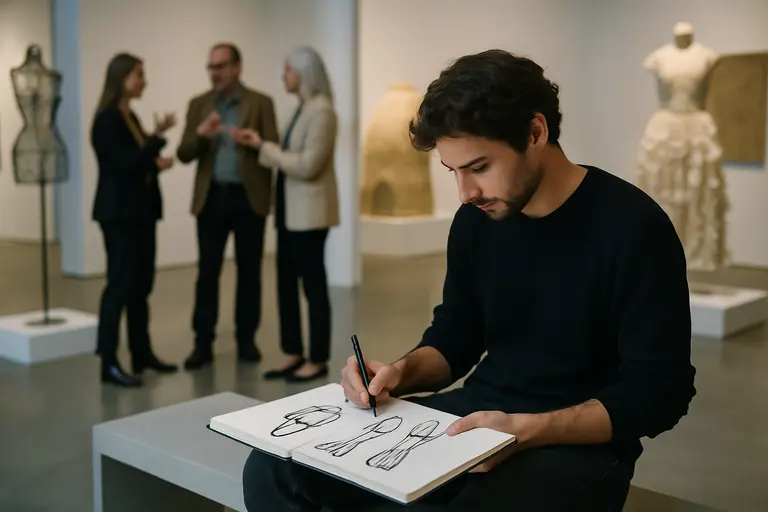
The museum setting gave Possessed authority, but it also exposed the brand to harder interpretation. Fashion companies often seek cultural alignment because it can signal seriousness. That strategy becomes thin if the clothes do not sustain the claim. In this case, the exhibition’s structure supported the argument because the shopping experience itself was under review. The project was not simply saying that clothes are art; it was asking what happens when art institutions host clothes that can be bought.
That question remains relevant for museum-linked fashion projects. A related comparison can be found in analysis of a Getty fashion collaboration, where the key concern is how museum references can enter wearable streetwear without flattening the art behind them. For readers comparing cultural coverage across a related publishing network, robsonic.org provides similar editorial perspectives.
Pricing, Prestige, And Public Entry
The available high-authority research supports the point that the gallery was free to enter, but it does not provide a full verified price architecture within the allowed citation set here. That limitation matters. Any claim about accessibility in fashion retail should distinguish between access to view and access to own. A free gallery can widen public contact with a brand’s ideas, while purchase prices may still reflect labor, scarcity, or market positioning.
For fashion brands, the stronger lesson is structural rather than numerical. A retail concept can include different levels of participation: viewing, trying on, buying a small item, commissioning a piece, or simply leaving with a sharper understanding of the brand’s values. Not every visitor needs to become a customer for the environment to succeed culturally.
Eckhaus Latta Exhibit Lessons For Fashion Brands
What Brands Can Adapt Carefully
The Eckhaus Latta exhibit offers a clear set of cautious lessons for fashion brands. Treat the store as a medium. Let display systems carry meaning. Build collaboration into the environment with respect for contributors. Make identity visible through casting, sizing, material choices, and imagery, but avoid turning inclusion into a slogan detached from practice. Most of all, accept that commerce is not outside the story of fashion. It is part of the story.
The lasting value of Possessed lies in its refusal to resolve the tension between art object and product. Clothing was handled, priced, tried on, and observed. The museum did not erase the market; it made the market visible. For DIY dress-up communities and emerging labels, that is the practical lesson: a garment gains meaning through how it is made, shown, worn, sold, and discussed. The frame is never neutral, and the most thoughtful brands design that frame with the same care they give to the clothes.