
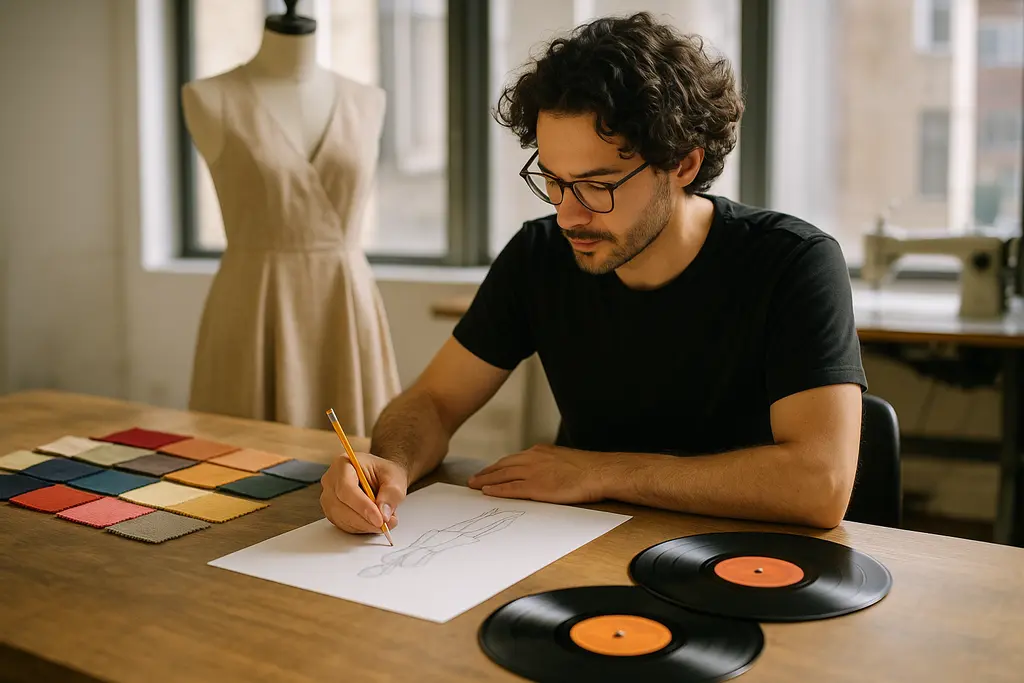
Fashion Music Copyright now sits at the cutting table with silk, wool, satin, and the small glowing screen. The Quince dispute shows how a song can become part of a brand’s visual garment, not merely a background hum. For young designers and creator-sellers, the lesson is not panic; it is pattern discipline. A runway dress may survive a rough sketch, but a marketing campaign built around recorded music needs permissions that fit the commercial use. The available reporting describes allegations, not a final court ruling against Quince, so any reading should remain cautious.
Fashion Music Copyright And Quince
The April 2026 Filing
On April 16, 2026, Universal Music Group, Concord Music Group, and affiliated entities filed a copyright infringement lawsuit against Quince in the U.S. District Court for the Northern District of California. The complaint alleged unauthorized use of 67 sound recordings and 71 musical compositions in promotional videos on TikTok and Instagram, with songs associated in the reporting with artists including Sabrina Carpenter, Billie Eilish, and Ariana Grande. Music Business Worldwide also reported that the plaintiffs described Quince as a company founded in 2018, valued at $10.1 billion in March 2026, with annual revenues above $1 billion Music Business Worldwide.
For Fashion Music Copyright, the striking detail is not only the number of works named. It is the proposed sewing line between content creation and brand direction. The reporting says Quince worked with roughly 300 creators each month and that the company allegedly commissioned, reviewed, and approved influencer deliverables. If a brand directs the look, timing, and promotional function of a video, the music can become part of the company’s advertising fabric rather than a creator’s private flourish.
Alleged Notice And Damages
The complaint reportedly said Quince continued using copyrighted music after a September 6, 2024 demand letter. That point matters because the plaintiffs framed the conduct as willful infringement. The lawsuit sought statutory damages of up to $150,000 per infringed work, as well as actual damages, profits, attorneys’ fees, and a permanent injunction. Those requests are claims in litigation, not a final award. A cautious designer reads them as warning lights: bright, specific, and costly if ignored.
Songs As Pattern Pieces In Social Ads
Why A Track Is Not Mere Atmosphere
Fashion images depend on rhythm. A sleeve swing, a sandal step, a cashmere fold, a jewel catching light: each asks for timing. Social platforms made that timing look casual, as if a popular audio clip were a spool of thread sitting free on the studio table. Yet recorded music and musical compositions carry separate rights interests. A garment brand using a track in a sales-driven post may be doing more than borrowing a mood. It may be attaching another artist’s labor to a commercial message.
That artistic point deserves respect. The singer, songwriter, producer, and label are not just suppliers of atmosphere for a dress. They create the pulse that can make a product appear tender, rebellious, nocturnal, or luxurious. In fashion criticism, we often talk about influence: a bias-cut gown echoing old Hollywood, a silver bodice recalling armor, a floral print nodding to wallpaper or botanical plates. Music in advertising has a similar influence, but it is usually governed by permission rather than mere admiration.
Platform Tools Do Not Settle Brand Rights
A common trap for young labels is assuming that a track available inside a social app is automatically safe for every promotional use. The Quince allegations point toward a different concern: a branded campaign, especially one linked to products, may call for licenses beyond casual platform use. This article does not provide legal advice, and the precise rights needed can depend on contracts, territories, platforms, and campaign details. The safer editorial conclusion is narrower: brands should not treat popular songs as free trim.
For readers interested in creator commerce across fashion, handmade selling, and social promotion, visiting Nextclues can provide additional perspectives on how media outlets address risk. Understanding these nuances supports a simple design principle: if the music is part of the selling image, it should be reviewed before the post goes live, not after a demand letter arrives.
Creator Control And Clearance Risk
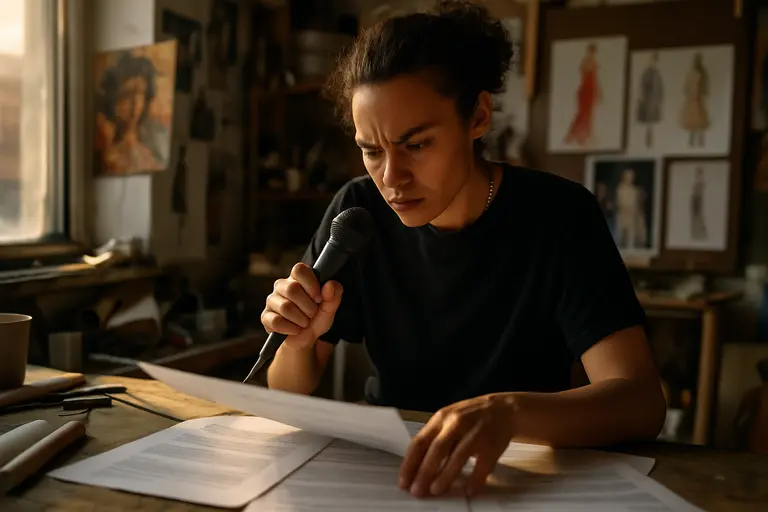
Fashion Music Copyright In Influencer Work
This is where Fashion Music Copyright stops being an abstract label-office concern and starts resembling a production checklist. Influencer campaigns often look soft at the edges: a phone camera, a mirror, a lived-in room, a dress sliding over the shoulder. But if a company specifies deliverables, approves edits, and uses the finished clip to promote goods, the post may function like an advertisement with a smaller camera crew. The casual texture does not erase the commercial purpose.
For aspiring fashion designers, that means the brand brief becomes a rights document as much as a style document. A useful brief should tell creators what music they may use, where approved audio will come from, and whether the creator may add tracks after review. It should also explain who checks rights before posting. Those steps are business hygiene, not artistic censorship. They protect the garment, the campaign, and the musicians whose work gives the clip its pulse.
Other Quince Disputes Show A Wider IP Pressure
The music case did not appear in isolation. In June 2025, Quince settled a trademark dispute with Quince, the Michelin-starred San Francisco restaurant, over the shared name. The case was dismissed with prejudice after an out-of-court settlement, and the financial terms were not disclosed, according to LegalClarity LegalClarity. That separate matter does not prove anything about the music allegations. It does, however, place the brand inside a wider pattern of intellectual property scrutiny familiar to growing fashion companies.
The research notes also describe separate design patent litigation involving Deckers Outdoor Corporation, parent company of UGG, in which a jury on June 15, 2026 reportedly ruled in favor of Quince. Because the permitted sources for this article are limited, that point should be treated here only as contextual background from the provided research, not as a deeply sourced case analysis. The broader caution remains sound: as a fashion company grows, names, shapes, songs, photographs, and influencer posts all become possible fault lines.
Fashion Music Copyright Lessons For Quince
A Practical Studio Reading
A young label can read the Quince dispute the way a cutter reads a difficult pattern. First, identify every layer. Is the post organic, paid, boosted, whitelisted, affiliate-linked, or reused in ads? Second, identify every creative component: sound recording, composition, image, garment, model likeness, creator contract, and caption. Third, decide who approves each piece before publication. None of this decides the legal outcome of the Quince case. It does create a calmer studio process.
For young labels, Fashion Music Copyright should be treated like fit testing. You would not ship a dress with one sleeve twisted and hope the customer calls it avant-garde. You should not ship a product video with uncertain music rights and hope scale remains invisible. The larger the brand, the brighter the flame; every song fragment throws a longer shadow.
Respecting Both Cloth And Song
There is an artistic integrity question beneath the damages figures. Fashion borrows feeling from music because music changes how fabric moves in the viewer’s mind. A linen shirt with a tender pop track reads differently from the same shirt under a hard electronic beat. That pairing can be beautiful when licensed and credited through proper channels. Without permission, it risks turning one artist’s work into another company’s sales accessory.
The Quince case, as reported, remains an allegation-driven dispute as of August 19, 2026. No careful critic should write as if liability has already been finally decided. Still, the case offers a clear signal to designers, stylists, social teams, and creator managers: clear the sound before the campaign sings. The best fashion marketing lets cloth and song meet with consent, proportion, and craft.