
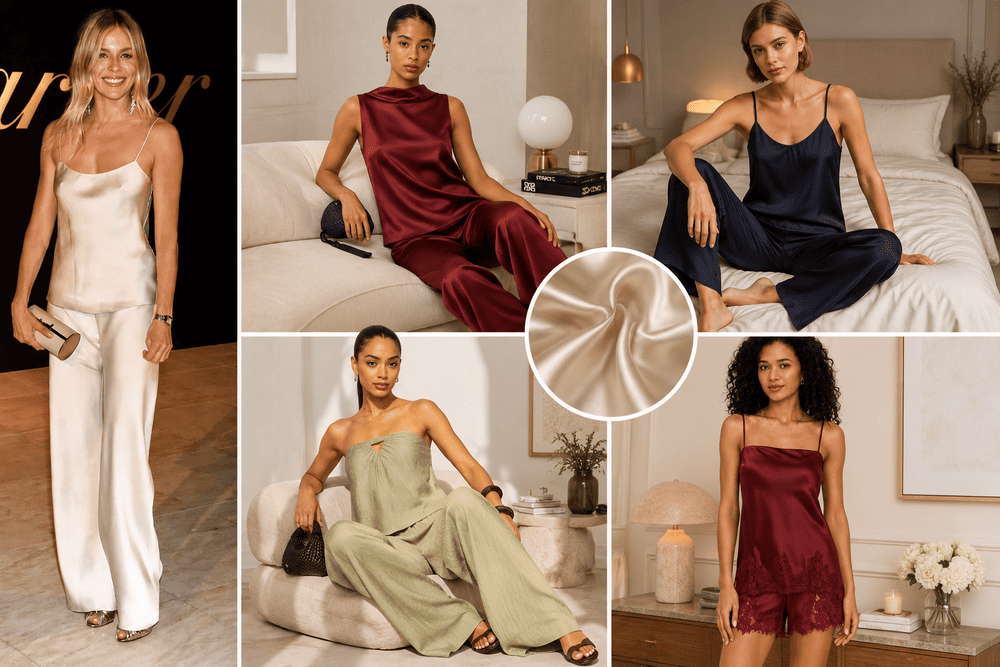
Fashion constantly renegotiates the boundary between private comfort and public presentation. The recent dominance of the matching silk top-and-pants set represents a total collapse of that boundary. Observers frequently label this look as “pajama dressing,” referring to the fluid, unstructured silhouette mimicking traditional sleepwear. This style completely overtook global runways and street-style photography. Wearing a matching set that resembles sleepwear requires high-level execution to avoid looking completely disheveled. The aesthetic relies entirely on severe contrasts. You must balance the relaxed drape of the garments with strict, architectural accessories and flawless grooming.
The Structural Shift Toward Leisure As Luxury
The movement toward upscale loungewear reflects a deeper psychological shift in how consumers view luxury. Historically, rigid garments represented high status. Corsets, heavy starched collars, and stiff wool suits communicated that the wearer did not perform manual labor. The current luxury paradigm reverses this concept completely. Upscale consumers now prioritize unbothered comfort. They want clothing that moves naturally with the body rather than restricting it.
The pajama set functions as the ultimate expression of this modern attitude. It says the wearer values their own physical ease above outdated societal expectations. The coordinated top and bottom eliminate the daily friction of outfit planning. You slip into two matching pieces and instantly present a unified, intentional image to the world.
Designers recognized this shift and began cutting traditional pajama silhouettes from heavyweight silk and technical crepe. They removed the cheap elastic waistbands associated with basic loungewear, replacing them with flat fronts, hidden side zippers, and precise darts. This structural evolution separates a true high-fashion set from an actual pair of pajamas. The garments command respect through their pristine finishing rather than their physical rigidity.
Fabric Selection Dictates The Formal Context
The raw materials determine exactly how the public perceives the outfit. Wearing a cotton flannel set outside the house reads strictly as a sartorial failure. Cotton wrinkles instantly and absorbs moisture, clinging to the body in highly unflattering ways. To successfully execute this look, you must rely on premium textiles that manipulate light and drape with heavy fluidity.
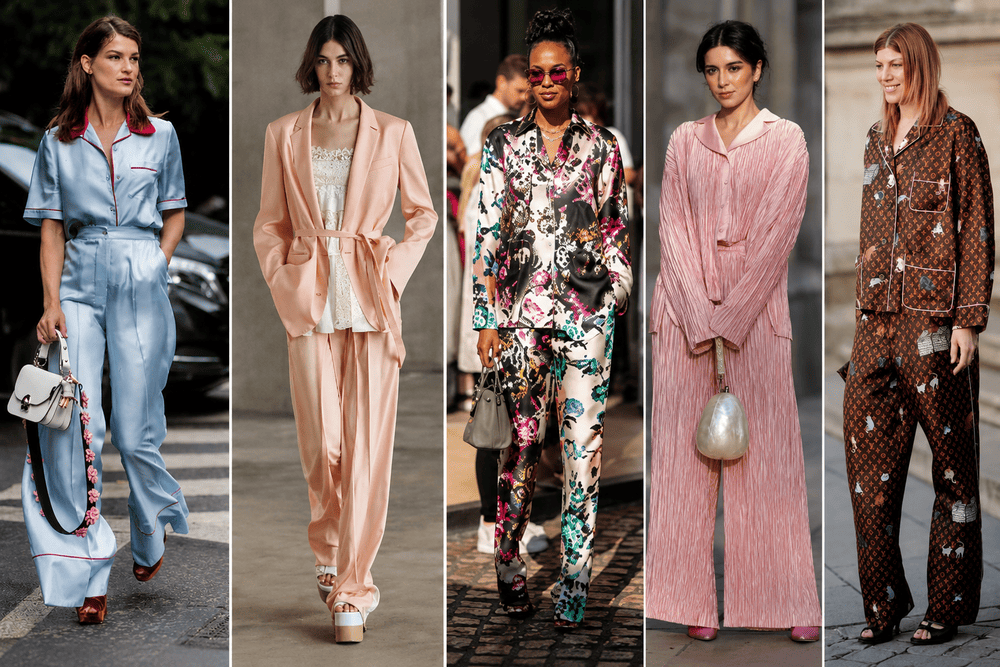
Heavyweight silk charmeuse serves as the gold standard for this silhouette. Silk reflects light beautifully, adding a liquid finish that immediately signals high-end construction. Viscose and heavy rayon blends offer similar draping qualities with a slightly matte finish, making them perfect for daytime wear. For colder months, matching sets crafted from cashmere or double-faced wool push the concept of loungewear into serious architectural dressing. Reviewing Vogue’s street style coverage provides clear visual examples of how these premium textiles behave in motion on city streets.
Maintaining these high-end textiles requires significant effort. Silk charmeuse demands strict dry cleaning protocols. You cannot throw these delicate garments into a standard washing machine. The pristine condition of the fabric serves as a major factor in the outfit’s success. A wrinkled silk top immediately looks like you slept in it. Utilizing a high-powered garment steamer right before leaving the house remains a non-negotiable step. The fabric must look entirely flawless to pull off the illusion.
Physical Fit And The Importance Of Proportions
A matching set only reads as high fashion if the physical fit is mathematically precise. The oversized nature of the garments creates a massive risk of the fabric swallowing the human frame entirely. You must control the volume through strategic structural adjustments.
The exact measurements of the garments require strict scrutiny. The pants should sit high on the natural waist. Low-rise pajama pants drag the center of gravity down, creating a sloppy, unrefined appearance. The high waist elongates the leg line and provides a secure structural anchor for the flowing shirt. If the original garment lacks this precise fit, visiting a local seamstress for structural alterations is absolutely necessary. You buy the set for the fabric, yet you modify it for the exact measurements of your body.
The hemline of the pants requires absolute exactness. The trouser should fall cleanly to the floor, breaking just once over the top of the shoe. A pant that drags on the pavement instantly ruins the sophisticated illusion, dragging the outfit back into sloppy territory. The sleeves of the top must end sharply at the wrist bone. Pushing the sleeves up the forearm exposes the wrists, breaking up the massive block of fabric and providing necessary visual relief. Tucking the front panel of the shirt into the waistband reestablishes the structural line of the hips, preventing the torso from looking completely formless.
Footwear Integration For Sleepwear Separates
The shoes anchor the entire presentation. You cannot wear casual footwear with a pajama set. Slipping on a pair of flat canvas sneakers or rubber flip-flops confirms the suspicion that you simply rolled out of bed. The footwear must provide a harsh, rigid contrast to the flowing fabric above it.
Pointed-toe leather pumps offer the most aggressive structural counterpoint. The sharp geometric toe extending from beneath the fluid silk hem creates intense visual friction. This specific combination dominates eveningwear. For daytime execution, a heavy leather loafer or a chunky combat boot grounds the soft fabric. The industrial weight of a thick lug sole proves the outfit is fully intentional and built for urban environments.
| Footwear Style | Aesthetic Impact | Best Environment |
| Pointed-Toe Stiletto | Sharp, aggressive contrast | Evening dinners, formal events |
| Heavy Leather Loafer | Grounded, academic | Daytime meetings, city walking |
| Chunky Combat Boot | Industrial, utilitarian | Cold weather, weekend errands |
The transition from summer to winter shifts the footwear requirements entirely. During the warmer months, a minimal, thin-strapped leather sandal provides a barely-there foundation complementing the lightweight silk. The sandal must feature a significant heel to maintain the necessary visual tension. Flat sandals lean too far into beachwear territory. When temperatures drop, a sleek, skin-tight leather boot sitting underneath the wide leg of the pajama pant offers brilliant coverage and severe geometric lines.

Accessorizing The Two-Piece Silk Set
Accessories do the heavy lifting in translating this look from the bedroom to the boardroom. The soft, unstructured nature of the clothing demands hard, architectural accents. A leather handbag with sharp right angles and heavy metal hardware provides a necessary rigid boundary against the silk. Slouchy hobo bags or soft canvas totes fail completely here; they simply add more shapeless fabric to the equation.
Jewelry must follow the exact same logic. A thick, solid gold collar necklace or massive structural cuffs worn over the sleeves add instant polish. The cold, hard metal interacting with the warm, fluid silk creates a highly sophisticated tactile contrast. Reviewing our internal guide on statement jewelry curation outlines exactly how to balance these heavy metallic pieces against lightweight textiles.
Sunglasses play a massive role in daytime execution. A pair of heavy, black acetate sunglasses hides the face and adds an immediate layer of celebrity-inspired detachment. The thick frames contrast heavily with the soft silk collar of the shirt. Belts offer another avenue for structural intervention. Some fashion editors discard the matching silk sash coming with the set, replacing it with a thick, vintage leather belt. This swap introduces a foreign texture into the monochromatic outfit, breaking up the visual flow and grounding the waistline in rigid leather.
Color Theory For Matching Sets
Solid, saturated colors project the highest level of authority. A matching set in deep oxblood, emerald green, or midnight navy commands attention through its sheer mass of unbroken color. Monochromatic dressing forces the eye to evaluate the outfit based on the quality of the drape and the sharpness of the accessories.
The introduction of neon shades into this category provides a completely different energy. A matching set in electric lime or shocking pink completely separates the garment from traditional sleepwear. No one wears neon silk to bed. The aggressive color choice acts as a protective shield, announcing the outfit as a highly calculated fashion maneuver. Muted pastels present a much higher risk. Pale pink or baby blue silk reads identical to a traditional nightgown. If you choose a pastel shade, the accessories must be incredibly severe—think stark black leather boots and a rigid black briefcase—to counteract the softness of the color.
Prints require much more caution. Classic stripes nod directly to traditional men’s sleepwear, which can work beautifully if the fit is razor-sharp. Large geometric patterns or bold florals push the outfit into statement-making territory, requiring minimal accessories to avoid visual clutter. Loud, chaotic prints often mask poor construction, making them a risky choice for anyone attempting a polished, high-fashion presentation. Sticking to deep, rich solids offers the safest and most impactful entry point into this aesthetic.
Executing The Look In Corporate Environments
Wearing a pajama-inspired set to a formal office requires total commitment to grooming and styling. The hair and makeup must be severely polished to counteract the relaxed clothing. A slicked-back bun or a sharp, geometric haircut signals that the relaxed clothing is a deliberate fashion choice, not a sign of laziness.
Adding a highly structured blazer over the silk top instantly professionalizes the silhouette. The rigid shoulders of the jacket frame the fluid silk, creating a standard corporate outline with an unexpected interior. The integration of this style into the modern workplace depends entirely on the specific industry. Creative fields like advertising, media, and design welcome this aesthetic readily. In these environments, the pajama set signals creative confidence and an awareness of current visual trends.
More conservative industries require a much stricter interpretation. For a corporate law office or high finance setting, the top might be worn alone, tucked into a traditional wool pencil skirt. The pants might be paired with a crisp cotton button-down shirt. Splitting the set apart dilutes the visual impact just enough to pass strict corporate dress codes, retaining the luxurious feel of the silk without violating office protocols.
The pajama dressing trend succeeds by playing a psychological game with the observer. It takes a silhouette universally associated with private rest and forces it into the most public, demanding arenas. Executing this combination proves you possess complete control over your wardrobe, manipulating traditional dress codes with absolute confidence.