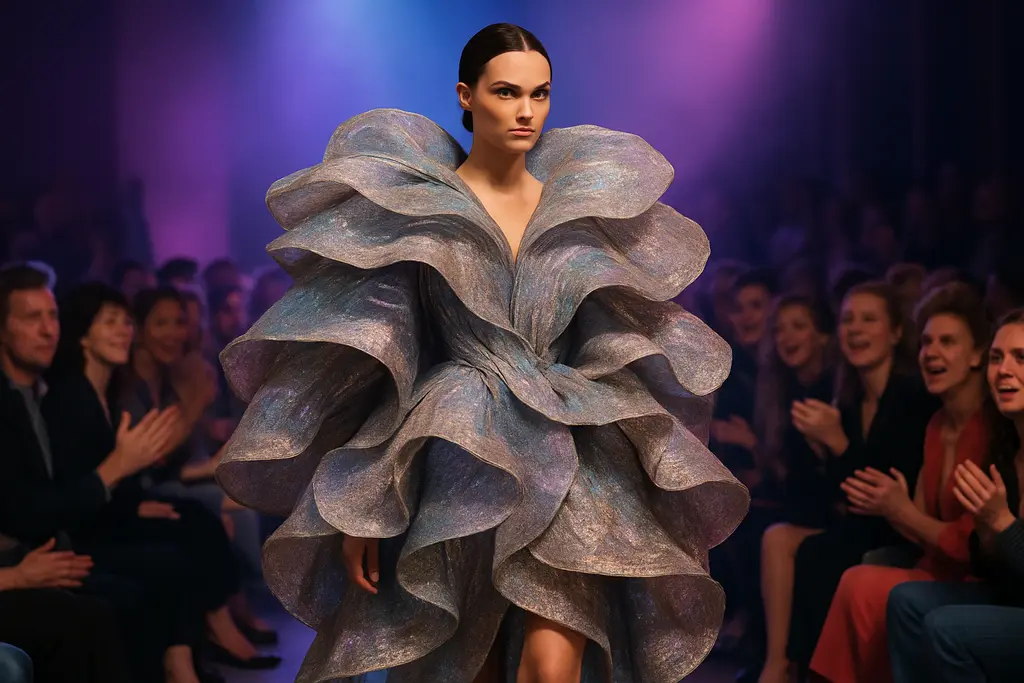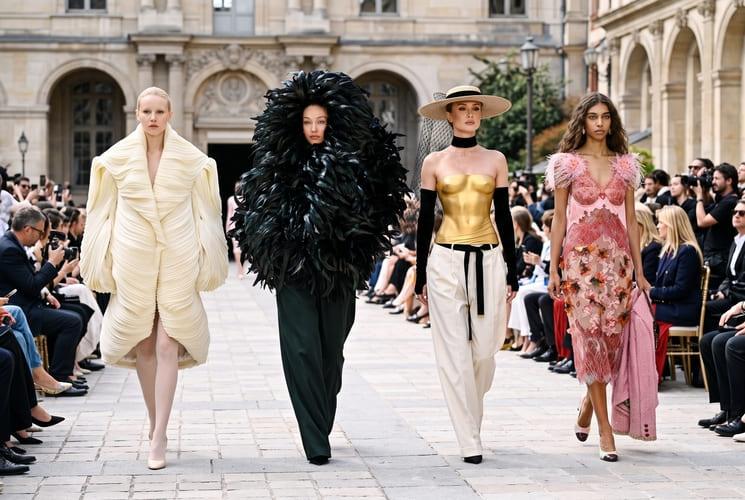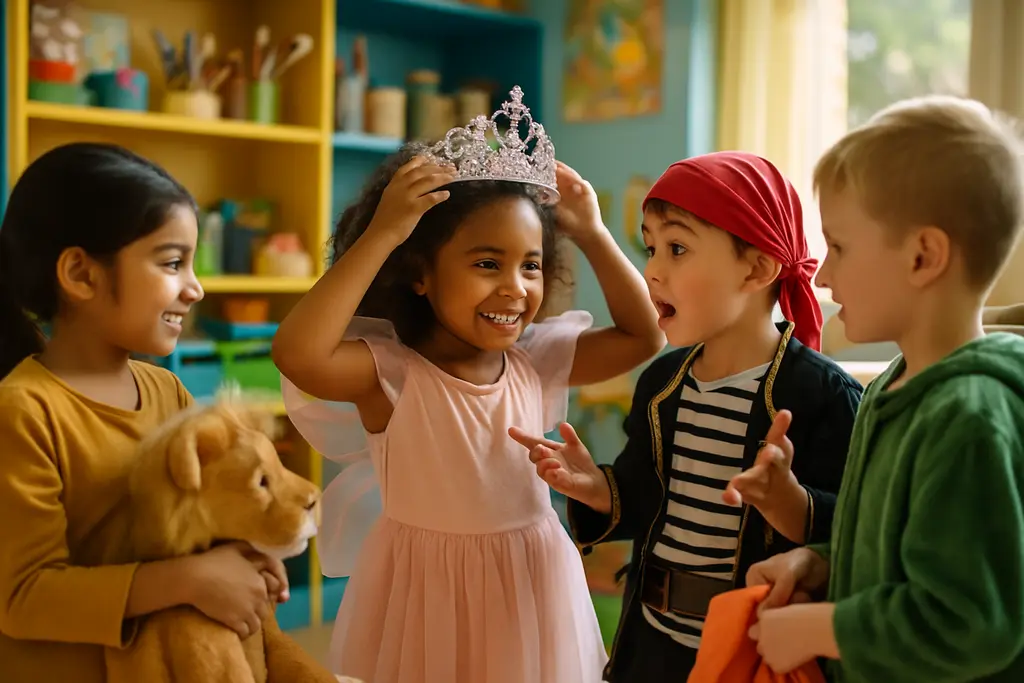
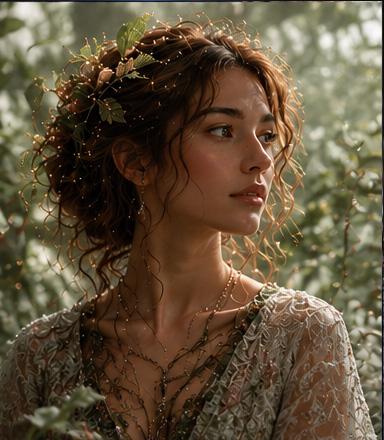
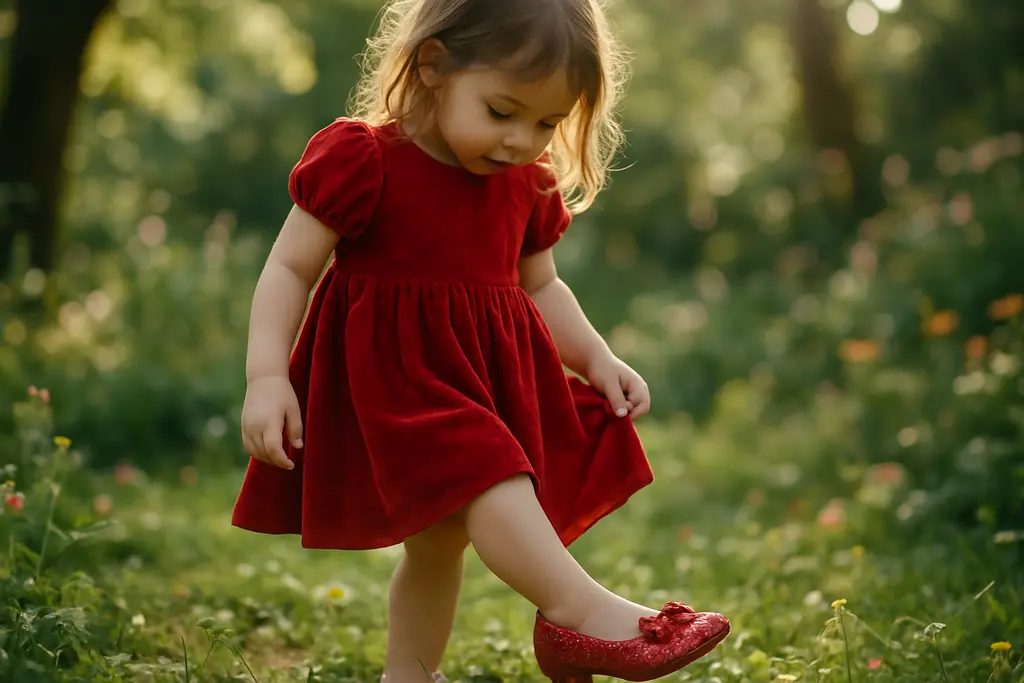
Fairytale costume design becomes more useful when it begins with an object, not a vague mood board. The topic here asks for lessons from the OBJECTS: USA exhibition at the Smithsonian American Art Museum, yet the supplied research documents the Smithsonian’s Ruby Slippers and related costume-preservation facts rather than a full object list for that exhibition. So the sounder method is to use the slippers as an object-centered case study: one pair of altered commercial shoes can teach color strategy, scale, construction, emotional recognition, and care.
Why Object Lessons Matter
A fairytale costume often fails when it treats fantasy as surface decoration alone. A museum object asks sharper questions. What was altered? What material carries the illusion? What did the viewer notice first? What needs protection after the performance ends? Those questions suit costume makers, cosplay families, teachers planning dress-up events, and parents trying to keep a playroom from becoming a tangle of capes, crowns, plastic wands, and sequined shoes.
Reading The Object Before Copying The Look
The Ruby Slippers worn by Judy Garland as Dorothy in the 1939 film The Wizard of Oz are held by the Smithsonian’s National Museum of American History and were donated anonymously in 1979, according to the Smithsonian fact sheet. That provenance matters because it separates analysis from imitation. The slippers are not just “red shoes.” They are film objects, performance tools, design revisions, and preserved cultural artifacts. A costume maker can study their logic without attempting to reproduce every protected association attached to the film.
The research also states that designer Gilbert Adrian, MGM’s chief costume designer from 1928 to 1941, designed the film slippers by altering white commercially manufactured pumps. In L. Frank Baum’s novel, Dorothy’s slippers were silver; the 1939 film changed them to ruby red for Technicolor contrast. That single change shows how a literary costume can shift under the pressure of a new medium. Page description, screen color, and audience memory may not match, and good costume interpretation acknowledges that difference.
Fairytale Costume Design Lessons From Ruby Slippers
The strongest lesson from the slippers is that fantasy can be built through adaptation. The research notes that the film shoes began as commercial pumps, then gained fabric, sequins, dyeing, and decorative trim. That is an encouraging principle for fairytale costume design because it means a convincing piece does not always require a fully new garment. A plain pair of shoes, a thrifted jacket, a school-safe dress, or a soft play cape can carry a strong narrative if the changes are coherent.
Fairytale Costume Design And The Altered Object
The research identifies the slippers as a mismatched pair: the right shoe is size 5 “5BC” labeled “#1 Judy Garland,” while the left is size 5 “5C” labeled “#6 Judy Garland.” They also have different heel shapes and sole materials. For a maker, this is a useful corrective against over-polishing every handmade costume. Screen objects and performance garments often contain practical irregularities. What matters is whether the visual reading holds from the audience’s viewpoint.
Each slipper is described in the research as having approximately 2,400 red sequins sewn onto a silk faille overlay, with bows of stiff cotton buckram, rhinestones, and bugle beads attached at the vamp. The design lesson is not “add as many shiny pieces as possible.” It is more disciplined: concentrate sparkle where it carries the story. In a child’s fairytale costume, one controlled focal point may do more than a full outfit covered in glitter. A red shoe, moonlit collar, leaf-shaped clasp, or small crown can serve as the object that anchors the character.
For readers who want a closely related site discussion of craft and object thinking, our OBJECTS: USA craft analysis pairs well with this museum-led approach. It is best read as a companion reflection, not as a substitute for the Smithsonian sources cited here.
Making Fantasy Wearable At Human Scale
Scale is one reason the Ruby Slippers continue to feel emotionally powerful. The research notes that viewers may underestimate their size until seeing them up close; they are youthful women’s size 5. That small human scale helps the object sit between childhood fantasy and adult memory. For fairytale costume design, this suggests that a costume should not only photograph well. It should also make sense on the body that will wear it.
Color, Distance, And Recognition
The switch from silver to ruby red for the 1939 film was not merely ornamental. The research links the change to Technicolor contrast. Costume makers can learn from that choice by testing color under the actual conditions of use. A school hallway, living-room birthday party, theatre stage, and outdoor festival all change how fabric reads. Pale trims may disappear in low light; dark capes may flatten in photographs; reflective sequins may distract if placed near the eyes.
Recognition should be handled with care. A fairytale-inspired look can borrow broad design principles—color emphasis, scale, texture, silhouette, symbolic objects—without presenting itself as an authorized version of a copyrighted screen character. This is especially relevant for sellers and creators. Rights clearance is a separate matter, and broad aesthetic inspiration should not be confused with permission to market a direct character likeness.
- Choose one story-bearing object, such as shoes, a cloak, a basket, or a crown.
- Limit the palette to two or three strong colors so the costume reads clearly.
- Test movement before adding hard trims, beads, or long trailing fabric.
- Keep removable parts labeled if the costume will enter a shared playroom.
Conservation Habits For Dress-Up Rooms

Museum conservation may sound distant from household costume storage, but the Ruby Slippers show why care routines matter. The slippers underwent more than 200 hours of conservation work in 2016 and 2017, including treatment of individual sequins under a microscope, cleaning surface dirt, and stabilizing loose threads, as described in a Smithsonian Magazine report. A family dress-up bin does not need museum protocols, but it does need separation, airflow, and repair moments before damage spreads.
Practical Storage Without Museum Pretension
For playrooms, I prefer a simple system: soft fabric costumes hang on low hooks, fragile accessories sit in small open bins, and glittered or sequined items stay in cloth bags so they do not abrade everything else. Shoes need pairs clipped or bagged together. Crowns and wings need their own shallow container, not the bottom of a toy chest. If a costume has emotional value, it should not live in the daily rough-play bin.
The research also states that the slippers were removed from public view on June 12, 2022, to prepare for placement in the Entertainment Nation exhibition, which opened on December 9, 2022. As of October 10, 2026, the research identifies that exhibition as ongoing. For home use, the parallel is rotation. Children do not need every costume accessible every day. Rotating three or four complete outfits keeps choices clear, reduces damage, and makes each return feel special.
For a broader culture-and-home reference, Kay Granger offers additional insights and context related to the themes discussed throughout the article. However, the Smithsonian links above provide the specific Ruby Slippers facts mentioned.
Creating Fairytale-Inspired Costumes From Smithsonian Objects
The fairest lesson from these Smithsonian object notes is restraint. Fairytale costume design works best when it respects the original work, identifies the functional reason behind each design choice, and adapts that reasoning to a new setting. The Ruby Slippers show how a plain base can become iconic through color, surface treatment, scale, and symbolic placement. They also show how fragile such magic can be once fabric, dye, sequins, thread, and handling meet real time.
For makers, that means beginning with a question rather than an image to copy: What object tells the story? For parents, it means storing that object so it survives more than one afternoon. For cultural curators, it means naming uncertainty when the research is thin. The supplied notes do not provide enough verified detail to make broad claims about the OBJECTS: USA exhibition at the Smithsonian American Art Museum. They do, however, support a clear, evidence-based method: study the object, understand the alteration, respect the source, and build costumes that can be worn, repaired, and remembered.