
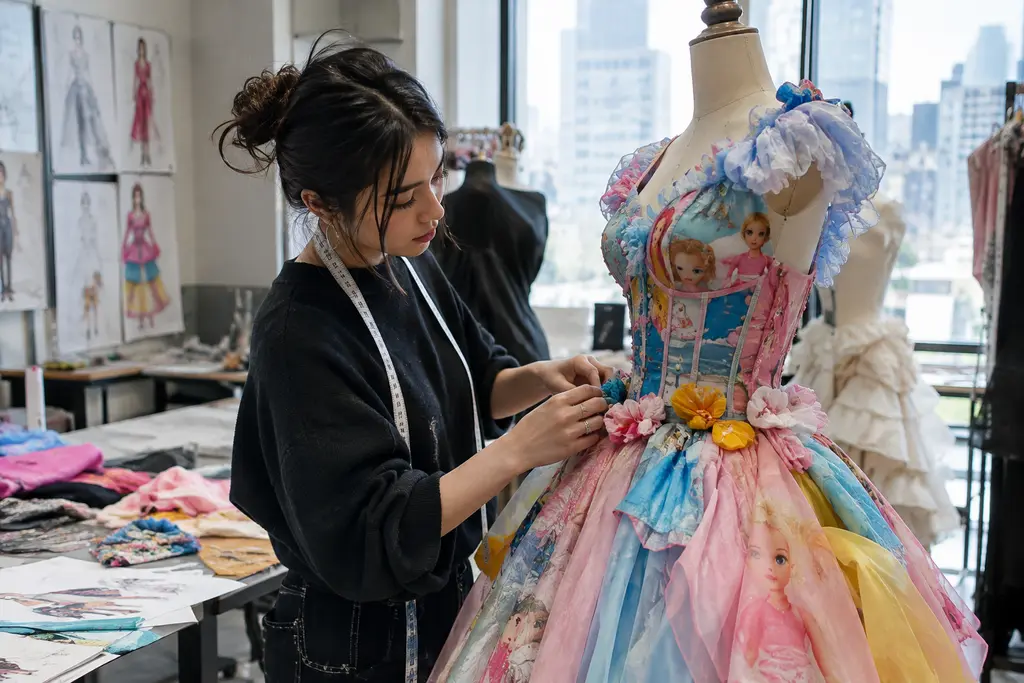
Doll Culture Fashion is not a single look, nor is it only a nostalgic reference. The Museum at FIT’s exhibition “Doll Dressing,” on view from September 16, 2026, through January 3, 2027, gives the subject a precise fashion-history frame. As of October 27, 2026, the show is still on view, and its scale matters: The Museum at FIT states that curator Dr. Colleen Hill organized more than 170 objects, including fashion dolls, full-size garments, accessories, art, and ephemera, to trace how dolls have shaped fashion from the 18th century to the present Museum at FIT exhibition details.
That premise is useful because doll references in clothing can be misread as surface sweetness: bows, puffed sleeves, rounded shoes, porcelain makeup, or short baby-doll proportions. The exhibition suggests a stricter reading. Dolls can act as design tools, social symbols, fantasy bodies, commercial objects, and carriers of identity. For fairytale costume makers, the lesson is not to copy a designer’s work or flatten doll culture into cuteness. The stronger approach is to study scale, proportion, and theatrical construction while keeping original artworks and brand-specific designs intact.
Why Doll Culture Fashion Matters At FIT
Miniature Bodies As Fashion Messengers
One of the exhibition’s strongest historical points appears in the section “Fashion Doll Foundations.” It features an 18th-century doll from Colonial Williamsburg that was used as a miniature model to distribute new fashions among dressmakers. That object places dolls within fashion communication before mass fashion media. A dressmaker could study a small garment’s cut, trim, sleeve shape, or surface decoration, then adapt those elements for a human client. The doll was not merely a toy in that context; it functioned as a portable fashion reference.
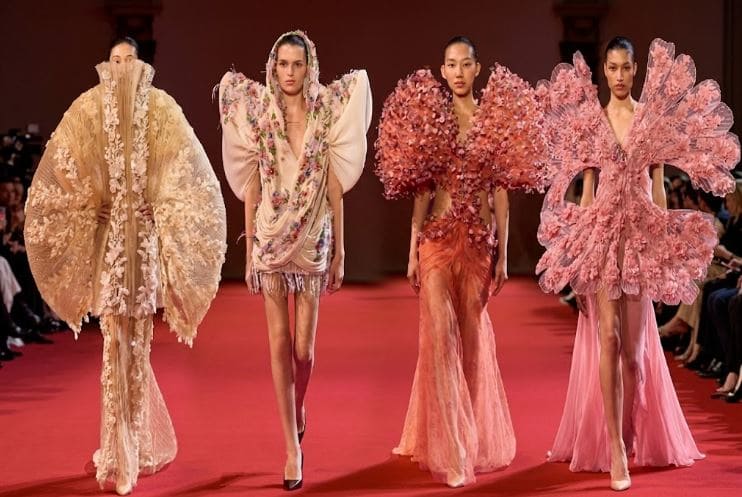
This history clarifies why doll imagery keeps returning to runway and costume culture. A doll condenses a full outfit into a concentrated format. Small scale makes silhouette easier to read, because every proportion is intensified. A tiny waist, oversized collar, or exaggerated skirt becomes legible at once. In full-size clothing, that same idea has to negotiate movement, comfort, materials, and the wearer’s body. The exhibition’s historical framing helps explain why designers still use doll-like proportions: miniature dress offers a laboratory for testing visual force.
Doll Culture Fashion As Scale Practice
Doll Culture Fashion becomes especially clear in the exhibition’s “Modes in Miniature” section. Fashionista reported that the show pairs full-size runway looks with doll-sized replicas by labels including Anna Sui, Jason Wu, and Bode, allowing visitors to compare how design ideas shift between toy scale and human scale Fashionista’s exhibition review. That pairing matters because scale is never neutral. A bow that looks crisp on a doll can become theatrical on a person. A shrunken jacket can read charming in miniature but severe when enlarged. A wide skirt may look neat in a doll case yet require internal support, fabric weight, or controlled movement in a full garment.
For DIY dress-up projects, this is a useful caution. A fairytale costume inspired by dolls does not need to imitate a museum object or runway design. It can borrow the structural question instead: what happens if the collar is slightly too large, the sleeve is rounded, or the hem is shortened to make the legs read like articulated limbs? Those choices should be tested in muslin, paper, or thrifted fabric before expensive materials are cut. The exhibition points toward process rather than replication.
Designers, Identity, And The Doll Body
Runway Names In A Doll Frame
The Museum at FIT lists designers and houses represented in the exhibition, including Balenciaga, Comme des Garçons, Maison Martin Margiela, Marc Jacobs, Patrick Kelly, Loewe, Louis Vuitton, Moschino, Anna Sui, and Undercover. Such a list shows that doll references are not limited to one market tier or one mood. They can be luxurious, strange, comic, severe, sentimental, or unsettling. A doll-coded garment can quote childhood, but it can also critique beauty standards or expose how fashion trains the eye to accept certain body shapes.
That range also raises an artistic-integrity issue. A costume maker can study the exhibition’s themes without reproducing a protected garment or using a recognizable brand identity as a shortcut. For example, a handmade fairytale dress can experiment with stiff sleeves, toy-like shoes, detachable collars, or exaggerated seams while avoiding direct copies of a designer’s runway look. The design principle is the ethical target; the specific artwork belongs to its maker.
Identity Beyond Innocence
The research around the exhibition points to identity, diversity, and empowerment as part of the doll conversation, including references to dolls and fashion statements connected with gender expression, trans culture, and drag culture. A cautious reading is needed here. Doll aesthetics have often been used to reduce people to sweetness, passivity, or artificial beauty. The exhibition’s framing suggests that contemporary fashion can also reclaim doll imagery as self-styling, performance, and agency.
This matters for costume play. A doll-inspired outfit can be playful, but it should not treat identity as a prop. If a design borrows from drag, trans advocacy, or subcultural dress, the maker should credit the cultural source, avoid caricature, and resist turning slogans or community-specific symbols into decoration without context. The better fairytale approach is to ask what the costume is saying about control, display, softness, and resistance.
Broken Dolls And Subversive Styling
Distortion As Critique
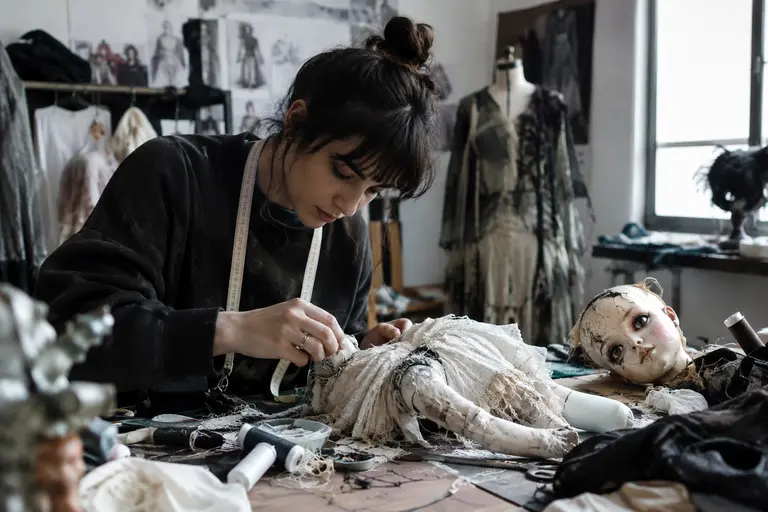
The exhibition’s “Broken Dolls” area addresses grunge-era kinderwhore aesthetics, horror doll imagery, and distorted proportions. This section is important because it breaks the assumption that doll references are always polished or pretty. A cracked, uncanny, or damaged doll image can push against conventional beauty standards. It can make visible the pressure placed on bodies that are expected to appear perfect, passive, or collectible.
For fairytale design, broken-doll styling can be tempting because it is visually direct: smudged makeup, uneven hems, exposed seams, mismatched socks, and stiff puppet-like poses. Yet the strongest versions do more than add distress. They build a reason for the distortion. A crooked bow might suggest a character resisting courtly rules. A too-tight bodice might expose discomfort with royal display. A torn lace cuff can mark the difference between enchantment and control. These are costume decisions with narrative weight, not random damage effects.
Practical Notes For Handmade Dress-Up
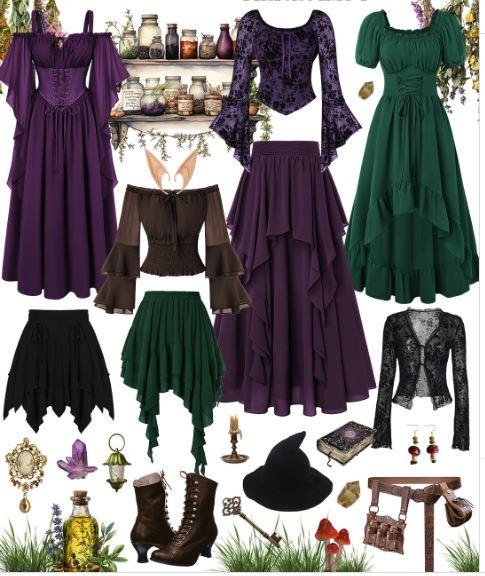
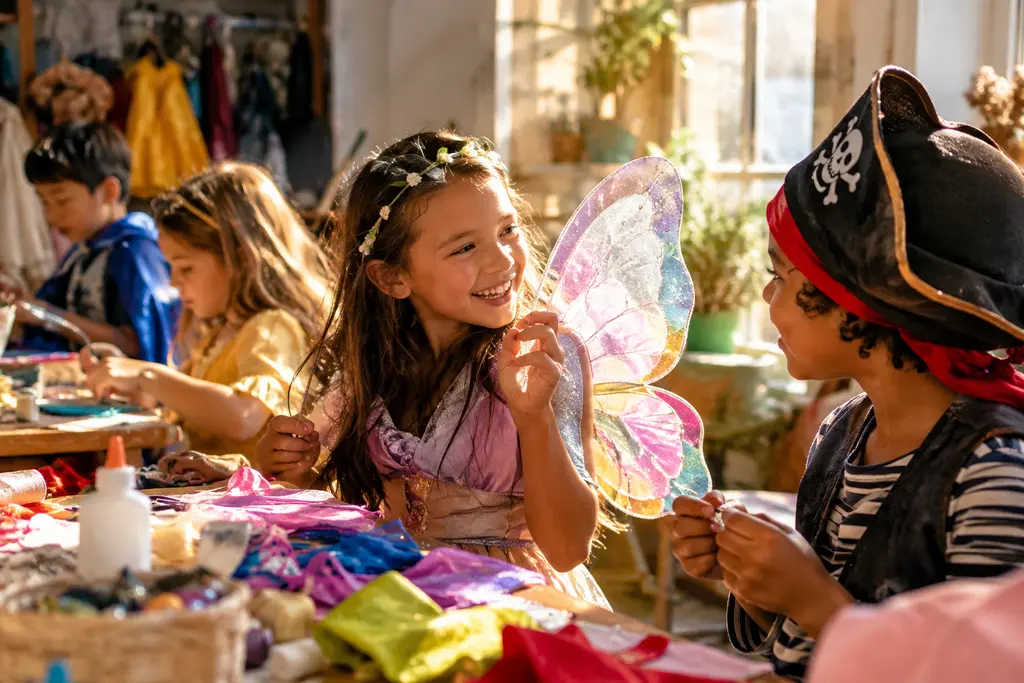
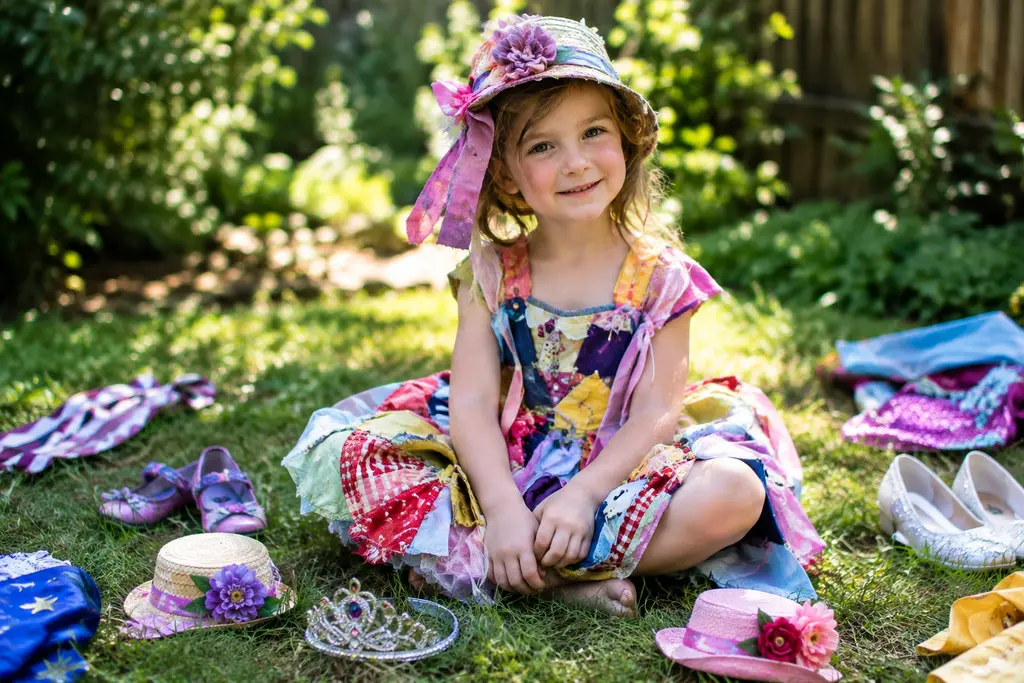
A doll-inspired costume benefits from restraint. Choose one main scale shift: an oversized collar, a circular skirt, a stiff apron, a high-contrast sleeve, or a toy-like shoe shape. Too many doll cues at once can turn the design into clutter. Materials should also match the intended movement. Paper, felt, tulle, cotton, and thrifted synthetics can create strong shapes for play or photography, but they behave differently from runway textiles. A small test piece can show whether a fabric stands away from the body or collapses.
For readers seeking practical inspiration for adjacent dress-up planning resources, the related site Shimply can serve as a useful starting point. On this site, a related discussion of Doll Dressing and fashion play may also help connect miniature references with costume construction choices.
Doll Culture Fashion At The Museum At FIT
The strongest insight from “Doll Dressing” is that dolls make fashion’s assumptions easier to see. A doll has a controlled body, a controlled wardrobe, and a controlled display context. Fashion often works through similar controls, even when the clothing appears spontaneous. By placing dolls, full-size garments, accessories, art, and ephemera in one exhibition, The Museum at FIT frames the doll as a serious fashion object rather than a childish footnote.
Doll Culture Fashion, then, is best understood as a method of thinking through scale, identity, fantasy, and beauty ideals. Its influence can appear in baby-doll silhouettes, miniature replicas, distorted horror styling, or runway garments that treat the body as a constructed figure. The exhibition does not require viewers to accept every doll reference as liberating or every childlike silhouette as harmless. It asks for closer reading. That caution is valuable for anyone making fairytale costumes, cosplay-adjacent looks, or dress-up pieces for play: the most interesting doll influence is not the easiest one to copy, but the one that helps a maker understand why a garment feels charming, eerie, powerful, or constrained.